
A little tartar on your dogs teeth may not look serious at first. Bad breath can seem like a normal part of getting older. But dental disease is more than a mouth problem. When plaque and tartar continue to build up, bacteria can multiply around the gums and cause inflammation that may affect your dogs overall health.
This is why regular dog dental care matters at every stage of life. Understanding the stages of dental disease in dogs can help pet owners recognize problems early and take action before discomfort and oral infection become more advanced.
How Dental Disease Starts in Dogs
Dental disease usually begins with plaque. Plaque is a sticky film containing bacteria that forms on the surface of the teeth. When plaque is not removed, it can harden into tartar.
Tartar creates a rough surface where additional bacteria can collect. Over time, the gums may become red, swollen, and irritated. This condition is known as gingivitis.
Without appropriate care, inflammation can progress below the gumline. The tissues supporting the teeth may then become damaged, leading to periodontal disease.
Common signs include:
- Persistent bad breath
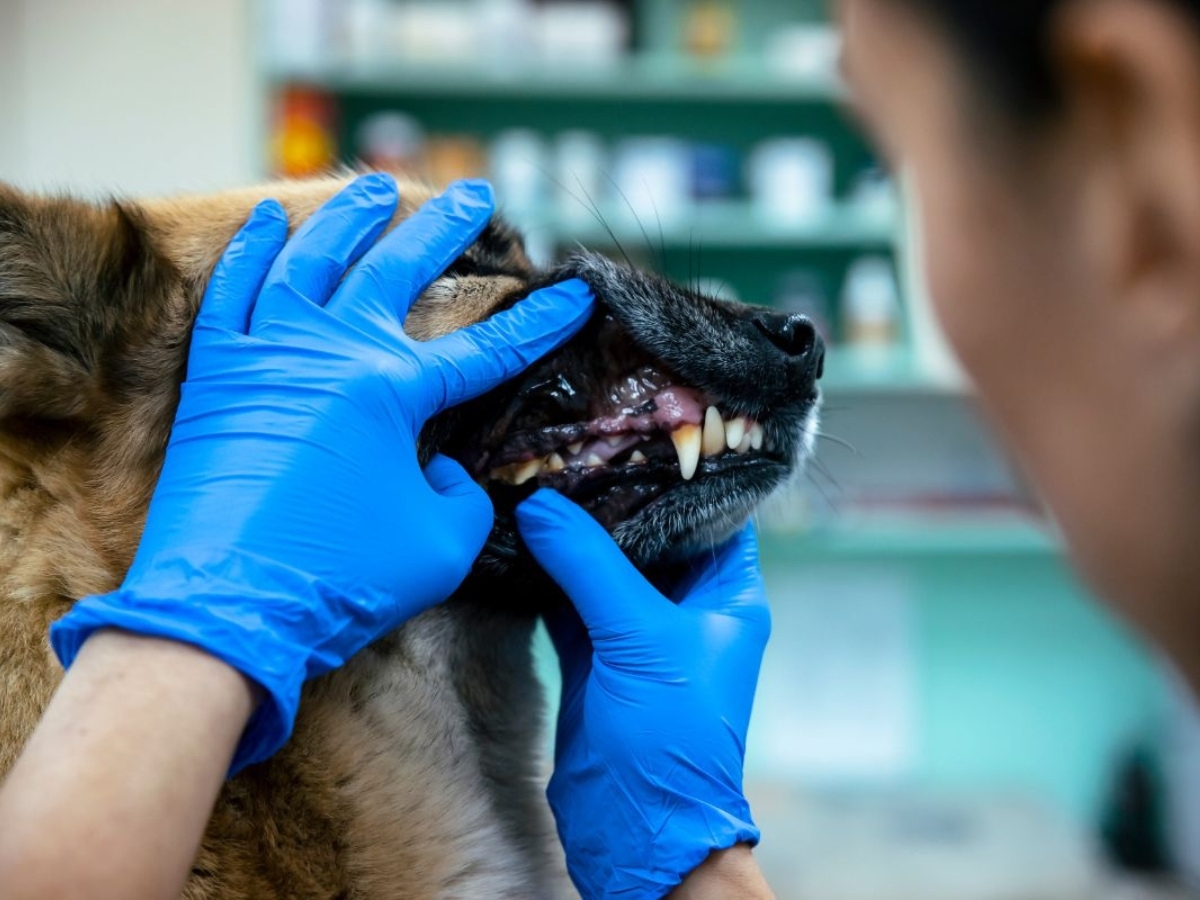
- Yellow or brown buildup on teeth
- Red or swollen gums
- Bleeding around the gums
- Difficulty chewing
- Dropping food while eating
- Reduced interest in hard food or treats
- Excessive drooling
- Loose or missing teeth
- Pawing at the mouth
Some dogs show very few obvious signs even when significant dental disease is present. That makes routine oral examinations especially important.
Understanding the Stages of Dental Disease in Dogs
Dental disease does not appear overnight. It generally develops gradually, which gives owners opportunities to identify changes before the condition becomes advanced.
Early disease may involve plaque buildup and mild gum inflammation. At this stage, professional cleaning and improved home care may help prevent progression.
As disease advances, tartar becomes more substantial and inflammation extends farther around the teeth. Periodontal pockets can develop beneath the gumline, creating areas where bacteria thrive.
More advanced disease can damage the tissues and bone supporting the teeth. Some teeth may become loose or painful and may require professional treatment.
The visible part of the tooth does not always tell the whole story. Problems below the gumline can be much more significant than what an owner can see at home.
How Can Bad Teeth Affect a Dogs Heart and Kidney Health?
This is where oral health becomes a whole body concern.
The mouth contains millions of bacteria. When gums become inflamed or damaged, bacteria from the oral cavity can enter the bloodstream. Dogs naturally experience brief episodes of bacteria entering circulation during ordinary activities such as chewing, particularly when the gums are unhealthy.
The body usually handles small amounts of circulating bacteria effectively. However, chronic oral inflammation and repeated bacterial exposure may contribute to systemic inflammation and may be particularly concerning for dogs that already have certain health conditions.
Research has found associations between periodontal disease and problems affecting organs such as the heart, kidneys, and liver. These relationships are complex, and dental disease does not mean that a dog will automatically develop organ disease. Still, maintaining oral health is an important part of protecting overall wellness.
For older dogs, this becomes even more valuable. Senior pets may already have age related changes involving several body systems, so reducing chronic sources of inflammation can support their general health.
Why Dogs May Keep Eating Despite Pain
One of the most confusing parts of dental disease is that dogs can continue eating even when their mouths hurt.
Dogs have strong survival instincts. They may adapt their chewing habits, swallow food quickly, favor one side of the mouth, or choose softer foods without making their discomfort obvious.
A dog may still greet you, play, and eat dinner while quietly dealing with painful teeth or gums.
Watch for subtle changes such as:
- Chewing more slowly
- Avoiding crunchy treats
- Tilting the head while eating
- Chewing on one side
- Dropping pieces of food
- Hesitating before picking up toys
- Rubbing the face against furniture
- Becoming less interested in play
A change from your dogs normal eating or behavior deserves attention, especially when it occurs alongside bad breath or visible dental buildup.
Dental Care Is More Than Fresh Breath
Fresh breath is a welcome benefit of a healthy mouth, but dental care has a much larger purpose.
Professional dental examinations allow a veterinary team to evaluate areas that owners cannot easily inspect. Dental imaging may also be recommended because important disease can develop beneath the gumline where it cannot be seen during a basic visual check.
Professional cleaning can remove accumulated tartar and help the veterinary team assess the condition of the teeth and surrounding tissues.
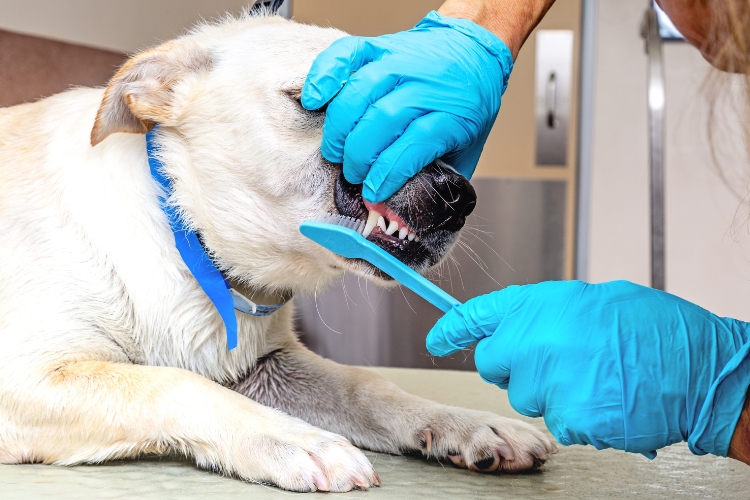
At home, owners can support oral health through consistent routines recommended by their veterinary team. Depending on the dogs individual needs, this may include toothbrushing, dental products, or other strategies designed to reduce plaque accumulation.
The right approach varies from dog to dog. Age, existing dental disease, temperament, diet, and general health can all influence the appropriate plan.
What Pet Owners Can Do Between Dental Visits
Daily habits can make a meaningful difference.
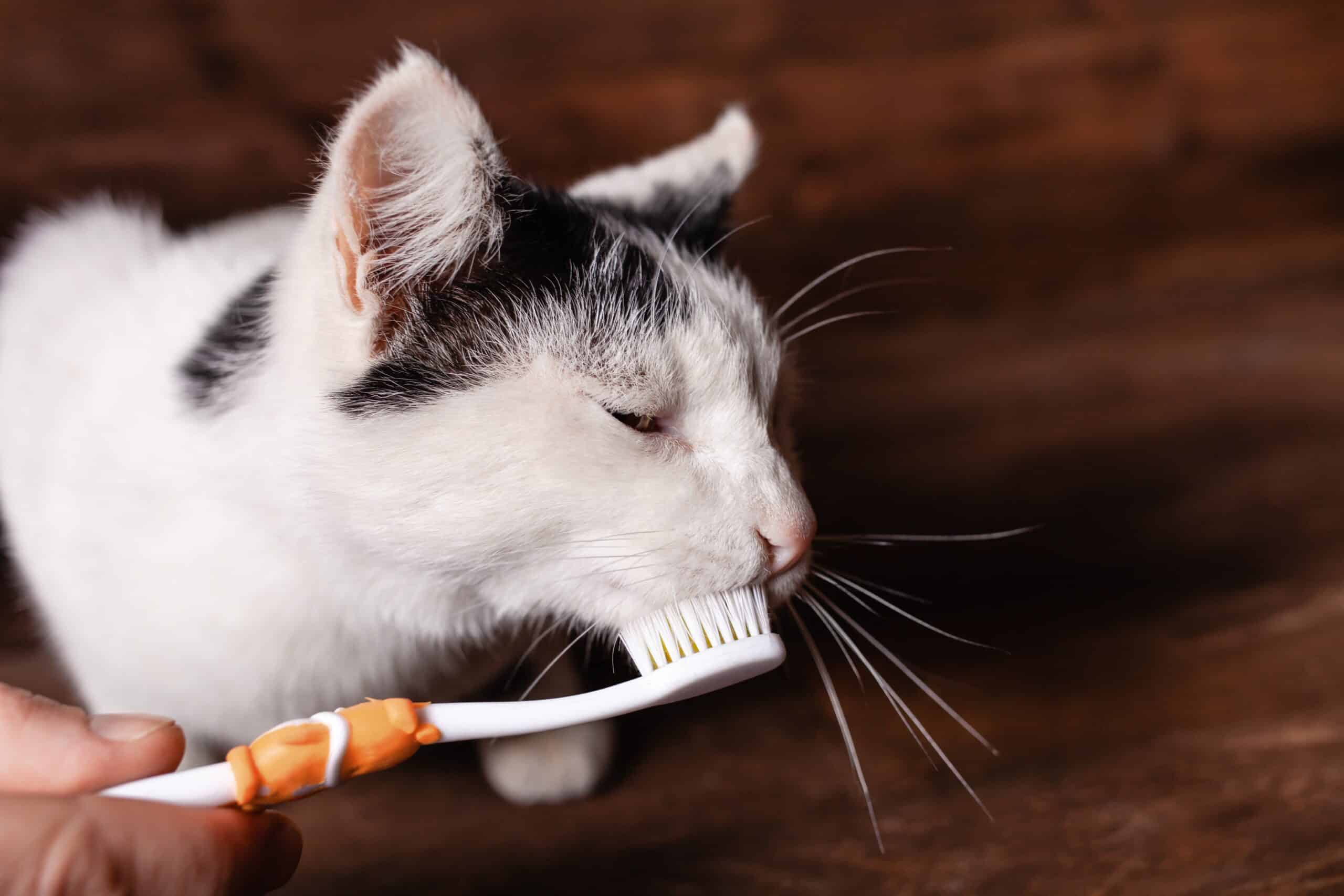
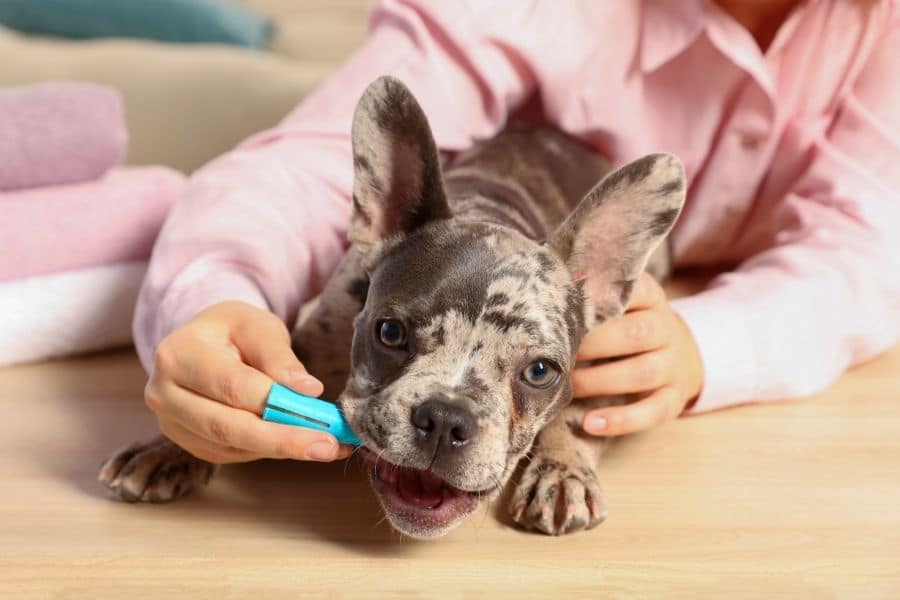
Start slowly if your dog is unfamiliar with mouth handling. Allow your pet to become comfortable with having the lips gently lifted before introducing a toothbrush. Use products specifically made for pets rather than human toothpaste.
Regularly check for changes in the mouth, including gum redness, unusual swelling, broken teeth, or new odors.
You can also make dental care part of your dogs normal routine by choosing a consistent time each day. Short, positive sessions are often easier for pets to accept than long attempts that create frustration.
Avoid forcing a toothbrush into a painful mouth. If your dog suddenly resists oral care after previously accepting it, dental discomfort may be one possible reason.
When Should You Schedule a Dental Examination?
A dental examination is worth considering if you notice persistent bad breath, visible tartar, red gums, chewing changes, drooling, or sensitivity around the mouth.
Dogs with previous dental problems may need more frequent monitoring. Puppies and younger dogs also benefit from learning comfortable mouth handling early, while older dogs may need closer attention because dental disease can become more established over time.
Regular veterinary visits provide an opportunity to evaluate oral health alongside the rest of your pets wellness needs.
If you are concerned about your dogs mouth or have noticed changes in eating behavior, do not wait for the problem to become obvious. Early attention can make dental care easier to manage and may help protect your pets comfort and overall health.
Schedule Your Dogs Dental Evaluation
Good oral health starts with noticing small changes and acting on them. If your dog has persistent bad breath, visible tartar, gum changes, or difficulty chewing, consider scheduling an appointment with All Creatures Veterinary Center for a professional evaluation and personalized dental care recommendations.
A veterinary team can assess your dogs mouth, discuss appropriate treatment options, and help you create a practical home dental routine.
Frequently Asked Questions
Q1. Can dental disease really affect a dogs overall health?
Ans: Dental disease can contribute to chronic inflammation and allow oral bacteria to enter the bloodstream. Research has found associations between periodontal disease and certain systemic health problems. The relationship is complex, but maintaining healthy teeth and gums is an important part of supporting your dogs overall wellness.
Q2. Does bad breath always mean my dog has periodontal disease?
Ans: Persistent bad breath can be a warning sign of dental disease, although other health problems can sometimes contribute to unusual breath odor. If your dogs breath has become noticeably worse or is accompanied by tartar, gum redness, drooling, or chewing changes, a veterinary examination can help identify the underlying cause.
Q3. Why does my dog keep eating if their teeth hurt?
Ans: Dogs often hide signs of discomfort and may adapt their eating habits rather than stop eating completely. Your dog might chew differently, favor one side of the mouth, swallow food faster, or prefer softer foods. These subtle changes can indicate that eating is no longer as comfortable as it once was.
Q4. How often should my dog have a dental examination?
Ans: The appropriate schedule depends on your dogs age, oral health, breed, previous dental history, and overall condition. Many dogs benefit from having their mouth checked during routine veterinary visits. Your veterinary team can recommend how frequently your individual pet should receive more detailed dental evaluations.
Q5. Can brushing my dogs teeth prevent periodontal disease?
Ans: Regular brushing can help reduce plaque buildup and support healthier gums, especially when introduced gradually and performed consistently. However, brushing cannot remove established tartar or address disease beneath the gumline. Dogs with existing dental problems may need professional evaluation and treatment in addition to home care.