


Professional Spaying and Neutering for Pets
As a responsible pet owner, it is important to ensure the health and well-being of your furry companions. One crucial aspect of responsible pet ownership is spaying and neutering your pets. Not only does this help control the pet population, but it also has numerous health benefits for your pets. Our Carrollton, Texas, veterinary team is proud to offer this service!

What is a Spay and Neuter?
Spaying is the removal of the ovaries and uterus of female animals and neutering is the removal of the testes of male animals. Both procedures prevent future reproduction and improve the overall health of the pet.
Benefits of Spaying and Neutering
- Spayed and neutered pets are less susceptible to cancers of the reproductive system, breast cancer, and other infections than their intact counterparts. For these reasons, they tend to have longer lifespans on average.
- Spay/neuter procedure decreases unwanted behavioral tendencies that are often displayed out of sexual instincts. Male pets have a decreased desire to roam, seeking out a mate, which makes them less likely to get lost.
- Female pets do not have messy heat cycles that attract unwanted neighborhood male pets to your door.
- Both males and females may have a decreased amount of aggression associated with sexual frustration or, in females, their cycle. Altered animals may also be less distracted, and therefore easier to train.
- Spay/neuter procedure is key to ending the epidemic of pet homelessness. Every year, approximately 6.5 million lost, stray, or unwanted pets enter animal shelters, and overcrowded shelters cannot care for the high volume of creatures necessary. To keep pets safe and off the streets, we must decrease the overall pet population. Therefore, we must decrease the number of unplanned litters.
What Age Can a Pet Be Spayed or Neutered?
The spay/neuter procedure can be performed as early as 8 weeks of age. We strongly advise scheduling the procedure at an earlier age to ensure your pet enjoys all its benefits. Certain behaviors, like urine marking in males, may become habit before the surgery; however, by neutering them before these habits form, they can be prevented. Additionally, it's essential to note that female cats can become pregnant as early as five months old, and dogs as young as six months old. Allowing a pet to have a litter before reaching one year of age can be detrimental to their health and ongoing training.
Can an Adult Dog or Cat Be Spayed or Neutered?
If you have an adult pet that has not been spayed or neutered, it is never too late. Whether you have a puppy or kitten, or a mature pet, please ask our veterinarians about spay/neuter procedure and what options are available.
Preparing for Surgery
Before the surgery, it's important to follow any instructions given by our veterinarian team. This includes fasting your pet (no food after 10pm, water is fine) before the surgery. Make sure to also inform our veterinarians of any medications your pet is currently taking. It's also a good idea to schedule the surgery for a time when you can be home with your pet for a few days afterward to monitor their recovery.
Surgical Prep
On the day of the surgery, make sure to arrive on time and have all necessary paperwork and payment ready. Your pet will be given a pre-surgical exam and may be given a sedative to help them relax. Once they are under anesthesia, the surgery will begin. The procedure typically takes about 30 minutes to an hour, depending on the size and age of your pet.
At Home Care
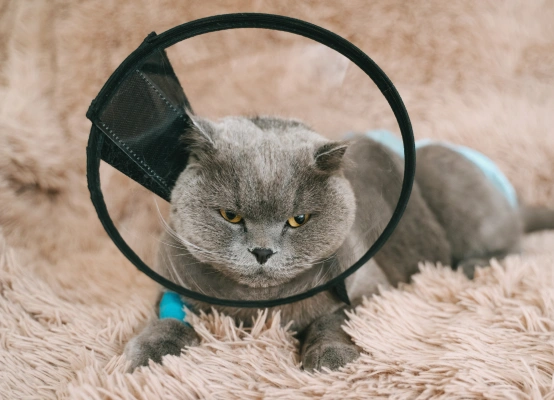
After the surgery, your pet will need some time to recover. They may be groggy and disoriented from the anesthesia, so it's important to keep them in a quiet and comfortable space. Make sure to follow any post-surgery instructions given by our team, such as administering medication or changing bandages. It's also important to limit your pet's activity and keep them from jumping or running until they are fully healed.
Signs of Complications
While spay and neuter surgeries are routine procedures, there is always a risk of complications. It's important to monitor your pet's recovery and watch for any signs of complications, such as excessive bleeding, swelling, or discharge from the incision site. If you notice any of these signs, contact us immediately.
Follow-Up Care
After your pet has fully recovered from the surgery, it's important to continue with regular check-ups and follow-up care. This may include removing stitches or monitoring for any potential health issues. It's also important to continue with preventative care, such as vaccinations and flea and tick prevention, to keep your pet healthy and happy.