


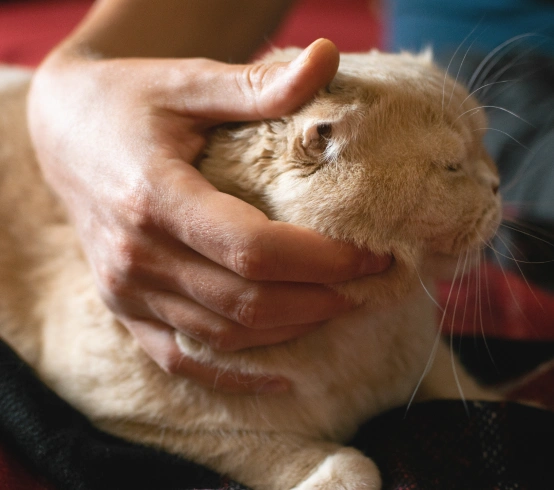

Helping Your Cat Live Pain-Free
As cats age or experience injuries, they can suffer from chronic pain, which can greatly impact their quality of life. At All Creatures Veterinary Center, we understand how important it is to manage your cat's pain and ensure they remain comfortable and happy. Our veterinary team specializes in diagnosing and treating pain, including conditions like arthritis, to help your feline companion enjoy their golden years.
Understanding Pain in Cats
Cats are experts at hiding discomfort, which makes recognizing pain challenging for pet owners. Pain in cats can be classified into two main types:
Acute Pain
Acute pain is sudden and intense, usually caused by an injury, surgery, or infection. It’s typically short-lived, but it can be quite distressing for your cat. Prompt treatment is essential to manage acute pain and prevent it from becoming chronic.
Chronic Pain
Chronic pain lasts for more than three months and is commonly associated with conditions such as arthritis or old injuries that haven’t healed properly. Chronic pain can affect your cat's ability to move, eat, and interact with their environment.
Signs Your Cat May Be in Pain
Cats are notorious for hiding pain, but there are a few signs that may indicate your cat is suffering:
- Decreased activity or reluctance to play
- Limping or difficulty moving, especially when jumping or climbing
- Changes in grooming habits, such as over-grooming or neglecting grooming
- Changes in appetite or difficulty eating
- Increased irritability or aggression, particularly when touched in certain areas
- Excessive vocalization, especially at night
- Behavioral changes, like hiding or avoiding interaction
If you notice any of these signs, it’s important to have your cat evaluated by a veterinarian to determine the cause of the pain and begin treatment.
Arthritis in Cats
Arthritis is a common cause of pain in older cats. It’s a degenerative condition that affects the joints, leading to stiffness, discomfort, and reduced mobility. Cats with arthritis may have difficulty climbing stairs, jumping on furniture, or grooming themselves. While arthritis is a progressive condition, it can be managed effectively with early intervention.