


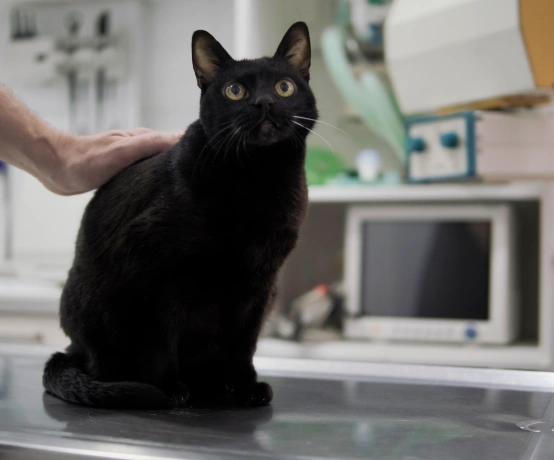

Supporting Feline Health With Early Detection
Cats are experts at hiding discomfort. Many medical issues progress quietly and may not show obvious signs until they are advanced. Diagnostic and laboratory testing helps veterinarians understand what is happening inside your cat’s body, even when they appear normal on the surface.
These services support early detection, ongoing monitoring, and clear medical decisions so cat parents can act with confidence and avoid unnecessary stress or delays.
In-House Laboratory Testing for Cats
Some conditions cannot be diagnosed through a physical exam alone. Laboratory testing provides insight into your cat’s internal health at a deeper level.
An in-house laboratory allows faster turnaround times, which is especially important for cats who may deteriorate quickly when ill. This also reduces the need for repeat visits while waiting for results.
Common tests for cats include:
- Blood chemistry panels to evaluate liver, kidney, and pancreatic function
- Complete blood counts to detect infection, inflammation, or anemia
- Electrolyte testing to assess hydration and internal balance
- Thyroid screening, especially important for senior cats
- Urinalysis to monitor kidney health and detect early disease
Routine testing is strongly recommended for senior cats and those with chronic conditions.
Allergy and Skin Testing for Cats
Skin and coat issues can be uncomfortable and persistent for cats. Common signs include excessive grooming, hair thinning, scabs, redness, or digestive upset linked to sensitivities.
Diagnostic testing helps identify whether the cause is allergic, infectious, hormonal, or immune-related. Depending on symptoms, testing may include blood work, skin sampling, or targeted allergy screening.
Once the cause is identified, treatment focuses on relief and long-term management rather than temporary symptom control. This approach improves comfort and reduces flare-ups over time.