
Your dog’s smile might look fine at a glance, but what you can’t see could be putting their health at risk. Dental care is one of the most commonly overlooked parts of pet wellness, and skipping regular cleanings can lead to far more than just bad breath.
Many pet owners delay or avoid dental visits because their dog seems “okay.” The truth is, dental disease often develops quietly and worsens over time. By the time symptoms are obvious, your dog may already be dealing with pain or deeper health issues.
In this guide, we’ll break down the real impact of skipping dog dental cleanings, the long-term risks involved, and why consistent dental care plays a major role in your dog’s overall health.
Why Dental Cleanings are Essential for Dogs
Dogs naturally build up plaque on their teeth every day. Without proper care, this plaque hardens into tartar, which sticks to the teeth and irritates the gums. At that point, brushing at home or using dental chews won’t be enough to remove it.
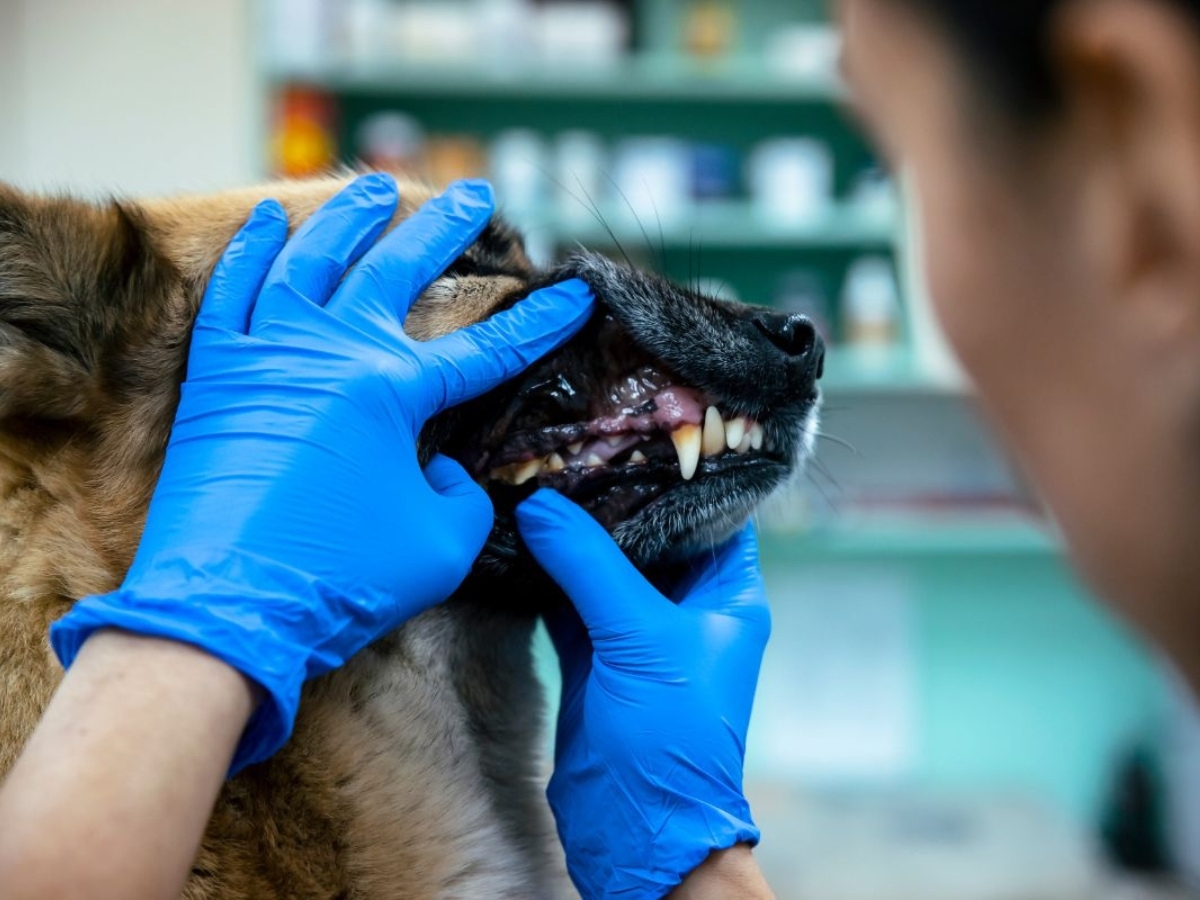
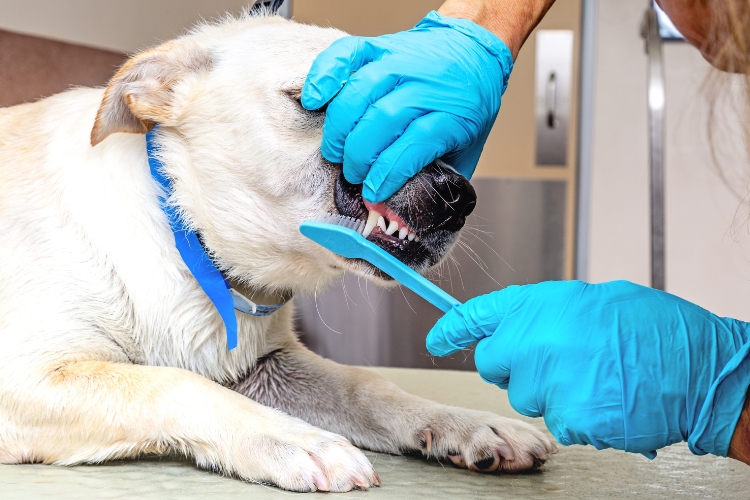
Professional dental cleanings go beyond what you can do at home. They help:
- Remove hardened buildup
- Clean below the gumline
- Check for early signs of disease
- Protect teeth from long-term damage
Skipping these cleanings allows bacteria to continue spreading, often without noticeable warning signs.
What Happens When Dental Care is Delayed
Dental problems don’t appear overnight. They develop gradually, and that’s what makes them easy to ignore. However, the longer cleanings are delayed, the more damage occurs beneath the surface.
Here’s what typically happens:
Plaque Turns Into Tartar
- Within days, plaque hardens and attaches firmly to the teeth.
Gums Become Inflamed
- Tartar irritates the gums, leading to redness, swelling, and sensitivity.
Infection Begins
- Bacteria start to affect the tissues around the teeth, creating pockets of infection.
Teeth Become Unstable
- As the infection spreads, it weakens the structures that hold teeth in place.
- This process affects the mouth and can impact your dog’s entire body.
The Hidden Health Risks of Skipping Dental Cleanings
One of the biggest misconceptions about dog dental care is that it only affects the teeth. In reality, untreated dental disease can lead to serious health complications.
Impact on the Heart
Bacteria from the mouth can enter the bloodstream and travel to the heart. Over time, this can contribute to inflammation and affect the heart’s function.
Strain on the Kidneys
The kidneys filter waste from the blood. When bacteria are constantly present, it adds extra stress and may lead to long-term damage.
Liver Complications
The liver works to remove toxins from the body. Ongoing infection from dental disease can make this job harder and reduce efficiency.
Chronic Pain and Discomfort
Even if your dog continues eating, dental pain can still be present. Dogs often hide discomfort, which means the problem can go unnoticed for a long time.
These risks highlight why dental care isn’t optional but a necessary part of preventive health.
The Risky Burden of Waiting Too Long
Skipping routine cleanings might seem appropriate if the symptoms appear minor. However, dental diseases can progress, leading to more severe issues and making treatments more complex. What could have been a simple cleaning for your dog could instead need more thorough treatments, like:
- Tooth extractions
- Treatment for infections
- Medications for pain or swelling
- Additional follow-up visits
These procedures can add up quickly and may require more recovery time for your pet. Preventive care is almost always better than treating advanced problems. Staying consistent with dental cleanings helps avoid these unexpected issues.
Signs Your Dog May Already Need a Dental Cleaning
Even if your dog hasn’t had a recent dental exam, there are signs you can watch for at home.
Pay attention if you notice:
- Strong or persistent bad breath
- Yellow or brown buildup on teeth
- Red or bleeding gums
- Dropping food while eating
- Avoiding chew toys
- Pawing at the mouth
These symptoms may seem minor, but they can indicate underlying dental issues that require attention.
Why At-Home Care Isn’t Enough on its Own
Home care plays an important role in maintaining your dog’s dental health, but it’s not a replacement for professional cleanings.
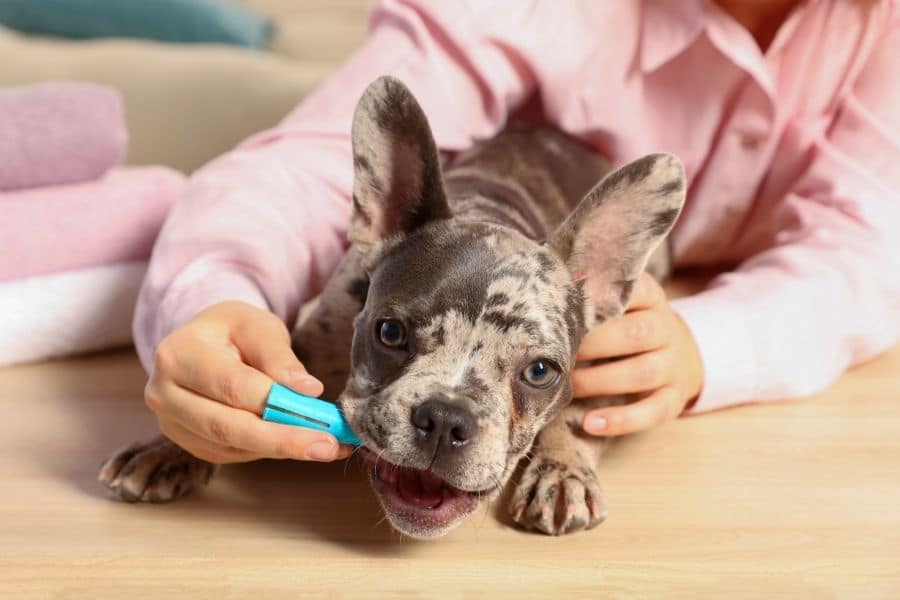
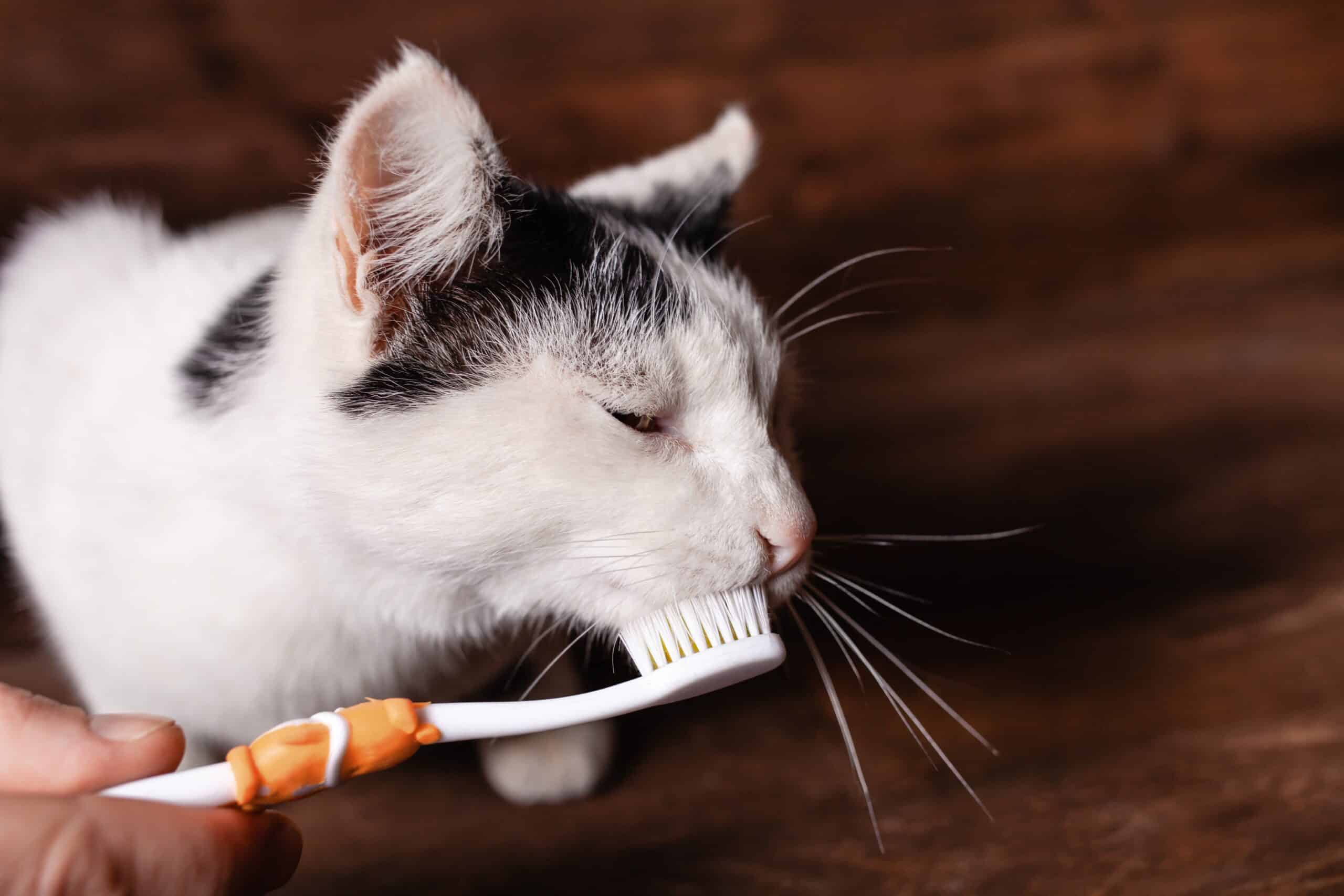
Brushing your dog’s teeth and using dental products can help slow down plaque buildup. However, they cannot:
- Remove hardened tartar
- Clean below the gumline
- Detect hidden issues
Think of at-home care as daily maintenance, while professional cleanings provide deeper protection. The best results come from combining both approaches.
How Often Should Dogs Get Dental Cleanings?
The right schedule depends on your dog’s age, breed, and overall health. Some dogs are more prone to dental issues than others.
In general:
- Small breeds may need more frequent cleanings
- Older dogs often require closer monitoring
- Dogs with a history of dental problems may need regular follow-ups
A veterinarian can recommend a personalized plan based on your dog’s needs. Regular exams help catch problems early and keep care on track.
The Long-Term Benefits of Staying Consistent
Keeping up with dental cleanings protects your dog’s teeth and improves their overall quality of life.
Benefits include:
- Fresher breath
- Healthier gums
- Reduced risk of tooth loss
- Lower chances of serious illness
- Improved comfort while eating and playing
Most importantly, it helps your dog stay happy and active for years to come.
Why Preventive Dental Care is Worth It
It’s easy to delay dental care when your dog seems fine. But waiting often leads to more serious problems that could have been avoided.
Preventive dental care is about staying ahead of issues before they become painful. It gives your dog the best chance at a healthy, comfortable life and gives you peace of mind as a pet owner.
Contact All Creatures Animal Clinic today to schedule your dog’s dental exam. Our team provides thorough, gentle dental cleanings designed to keep your dog’s teeth and gums in excellent condition.
FAQs
1. How can I tell if my dog is in pain from dental issues if they’re still eating?
Dogs often continue eating even when they’re uncomfortable. Look for slower chewing, favoring one side, dropping food, or changes in behavior. Subtle shifts like these can signal dental pain.
2. Is bad breath always a sign that something is wrong?
Yes, persistent bad breath is usually linked to bacterial buildup or infection. It’s one of the earliest and most common signs that your dog may need a dental check.
3. Can skipping just one or two dental cleanings really make a difference?
Yes, even a short delay allows plaque and tartar to build up. Over time, this increases the risk of gum disease and more serious complications.
4. Are certain dog breeds more likely to develop dental problems?
Yes, smaller breeds and dogs with crowded teeth tend to develop dental issues faster. They often need more frequent cleanings and closer monitoring.
5. What happens if a dental issue goes untreated for too long?
Untreated dental problems can lead to tooth loss, infection, and even affect major organs like the heart and kidneys. Early care helps prevent these outcomes.
6. Do dental treats and chews replace professional cleanings?
No, they help reduce plaque but cannot remove hardened tartar or address issues below the gumline. Professional cleanings are still necessary.
7. What should I expect after my dog’s dental cleaning?
Most dogs recover quickly and feel better within a day or two. You may notice improved energy, better appetite, and fresher breath soon after the procedure.