
Sharing your life with a cat brings continuous delight, quiet companionship, and countless endearing moments. From cheerful purrs during morning cuddle sessions to playful bursts of evening energy, our feline friends enrich our households in countless ways. As devoted pet parents, we naturally want to provide the highest standard of care to ensure our companions enjoy long, vibrant lives. While feeding a wholesome diet, offering interactive toys, and scheduling routine wellness visits are common habits, one vital aspect of wellness often goes neglected: routine oral hygiene.
Feline oral health plays a massive role in your pet’s overall physical well-being. Without consistent attention, microscopic food particles and oral bacteria rapidly form plaque, which eventually hardens into dense tartar along the gumline. Over time, this leads to painful gum inflammation, bone loss, and tooth decay. Learning how to brush a cat’s teeth at home is one of the most proactive steps you can take to protect your pet from painful oral conditions. Here at All Creatures Veterinary Center in Carrollton, our team frequently helps local pet families establish comfortable daily grooming routines. Let us explore a step-by-step approach to mastering feline dental hygiene without stress.
Why Cat Dental Care Matters More Than You Think
Many cat owners assume that dental problems only affect dogs, or that cats naturally maintain clean teeth through chewing kibble. In reality, cats are highly susceptible to severe dental challenges, including periodontal disease, gingivitis, and feline tooth resorption. Because felines possess a strong biological instinct to hide physical discomfort, they rarely show obvious signs of oral pain until an infection becomes advanced. A cat dealing with severe tooth discomfort will often continue to eat and play normally, leaving owners entirely unaware of their quiet suffering.
Prioritizing daily cat dental care preserves your pet’s oral comfort and shields internal organ systems from unnecessary strain. When oral tissues become inflamed, bacteria breeding in the mouth can readily cross into the bloodstream. Once in circulation, these microscopic invaders travel throughout the body, placing continuous stress on vital organs such as the kidneys, liver, and heart. By making oral maintenance a seamless part of your home routine, you actively prevent plaque buildup on cat teeth and promote lifelong vitality.
Selecting the Right Equipment for Your Feline Friend
Before attempting your cat’s first dental cleaning, gathering the appropriate supplies is essential for safety and success. Human dental products must never be used on pets under any circumstances. Human toothpastes contain foaming chemicals and ingredients such as fluoride and xylitol, which are highly toxic to felines when swallowed. Since cats cannot rinse and spit out toothpaste, always select specially formulated pet products.
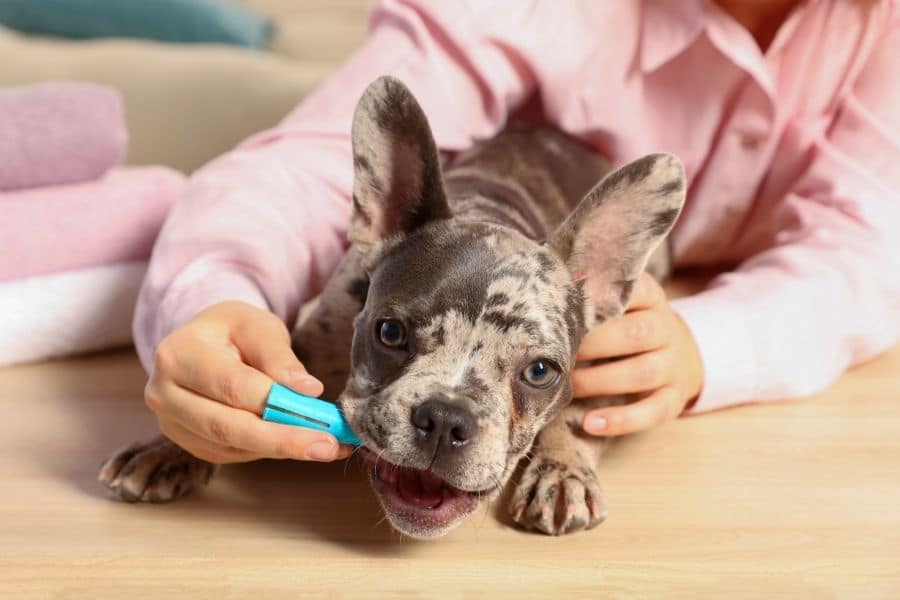
When choosing supplies, look for options that feature appealing flavors like poultry, beef, or seafood to make the experience enjoyable for your cat. Finding the best cat toothpaste and toothbrush setup involves selecting tools designed specifically for tiny feline mouths. Look for ultra-soft finger brushes or small, angled pet toothbrushes with soft bristles that comfortably reach the back molars. Having gentle, pet-safe equipment creates a positive foundation for building a long-term habit.
Step by Step: How to Brush a Cat’s Teeth at Home
Teaching a cat to accept paw handling and mouth touching requires patience, gentle guidance, and gradual desensitization. Attempting to rush the process or forcefully restrain your cat will only create fear and resistance. Breaking the process down into manageable steps ensures a smooth, stress-free transition for both you and your pet.
- Step 1: Flavor Introduction: Begin by placing a small dab of pet-safe toothpaste on the tip of your finger. Allow your cat to sniff and lick the paste voluntarily. Repeat this daily for a few days until your cat looks forward to tasting the flavor as a special treat.
- Step 2: Lip Elevation and Touch: Once your cat enjoys the taste, gently lift their upper lip during a calm cuddle session and rub your bare finger lightly along their outer teeth and gums. Keep sessions brief, lasting only five to ten seconds, and immediately offer praise or a treat.
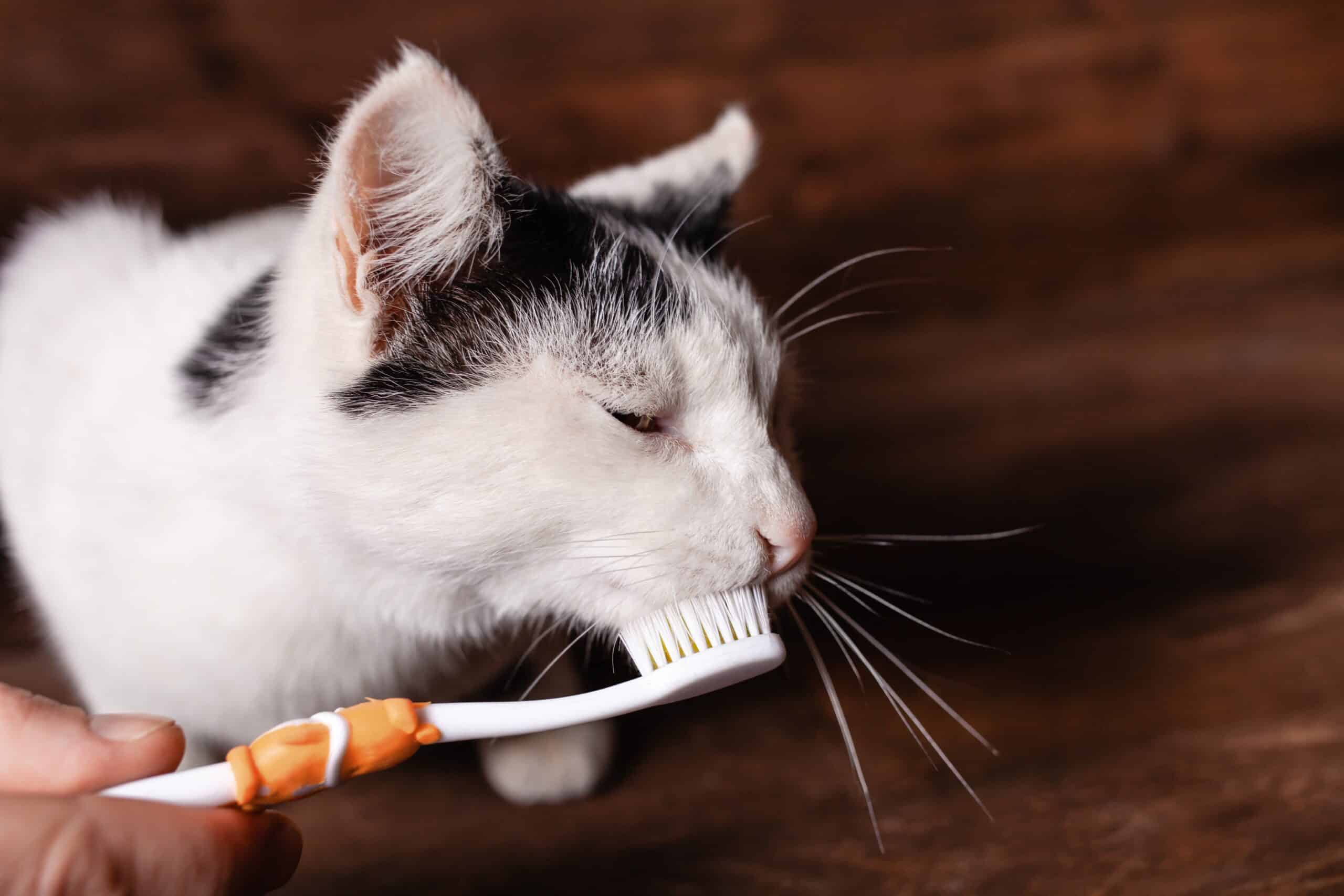
- Step 3: Introducing the Toothbrush: Apply a small amount of toothpaste to your chosen finger brush or small pet toothbrush. Let your cat lick the brush first so they become comfortable with the texture.
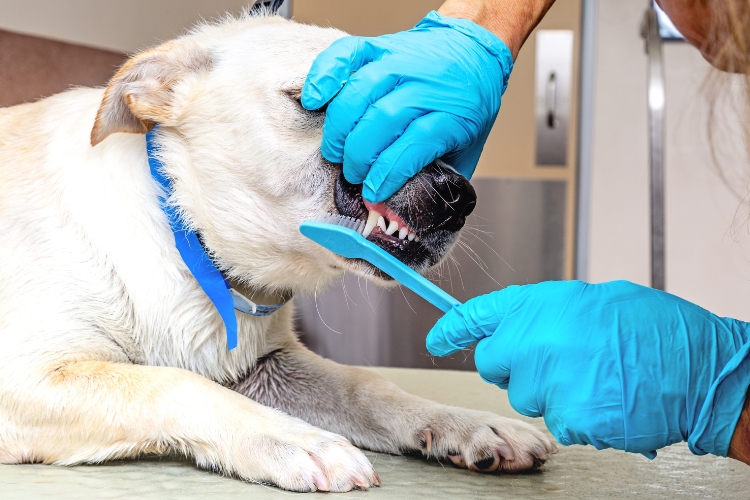
- Step 4: Gentle Brushing Technique: Gently lift the lip and brush the outer surfaces of the upper and lower teeth using small, circular motions. Focus primarily on the outer tooth surfaces where plaque accumulates most rapidly. There is no need to worry about brushing the inner surfaces facing the tongue, as a cat’s rough tongue naturally helps keep those areas clean.
- Step 5: End on a High Note: Always end every session with enthusiasm, affection, and a favorite reward, regardless of how much brushing you accomplished. Positive reinforcement builds long-term trust and willingness.
Practical At Home Feline Dental Care Tips for Success
Building a consistent habit takes time, but implementing proven at home feline dental care tips can make the journey significantly easier. Consistency is far more effective than intensity when establishing new routines. Brushing for thirty seconds every day yields much better long-term results than a frantic five-minute session once a month.
Select a consistent, peaceful time of day for dental care, such as right after an evening play session when your cat is naturally relaxed and sleepy. Create a quiet environment free from loud noises or sudden interruptions. If your cat becomes restless, growls, or attempts to pull away, stop immediately and try again the following day. Forcing the issue will only build negative associations. For additional support between brushing sessions, consider incorporating Veterinary Oral Health Council approved dental treats, water additives, or specialized dental diets to help scrub away surface debris.
Partnering with Your Local Carrollton Veterinary Team
While daily home brushing is exceptionally effective at slowing down plaque formation, it works hand in hand with professional veterinary examinations. Over time, even meticulous home care cannot entirely prevent hard tartar from forming in hard-to-reach pockets along the gumline. Routine veterinary checkups allow professionals to evaluate internal tooth structures, check gum health, and recommend professional cleanings when necessary.
Our team at All Creatures Veterinary Center is proud to serve families throughout the Carrollton community. Whether you need personalized advice on acclimating a sensitive cat to home dental care, want recommendations for pet-safe supplies, or need to schedule a comprehensive wellness evaluation, our experienced professionals are here to guide you. Reach out to our Carrollton clinic today to schedule a consultation and help your feline companion enjoy a healthy, bright, and comfortable smile for life.
FAQ
Q1. How often should I brush my cat’s teeth at home to prevent plaque buildup on cat teeth?
Ans: Brushing your cat’s teeth daily provides optimal protection, but aiming for at least three to four times a week will still significantly reduce plaque accumulation and support gum health.
Q2. Can I use human toothpaste when learning how to brush a cat’s teeth at home?
Ans: No, human toothpaste contains artificial ingredients, foaming agents, and chemical compounds like fluoride and xylitol that are toxic to cats and cause severe stomach upset if swallowed.
Q3. What should I do if my cat stubbornly refuses to let me brush their teeth?
Ans: If your cat resists, pause the process and return to basic flavor introduction with pet-safe paste on your finger, or explore alternative options like approved dental wipes, water additives, and dental chews.
Q4. What features should I look for when selecting a cat toothpaste and toothbrush?
Ans: Select a pet-formulated enzymatic toothpaste in a flavor your cat loves, paired with an ultra-soft finger brush or a small, angled toothbrush sized specifically for feline mouths.
Q5. How can I tell if my cat already has dental disease that requires professional veterinary attention?
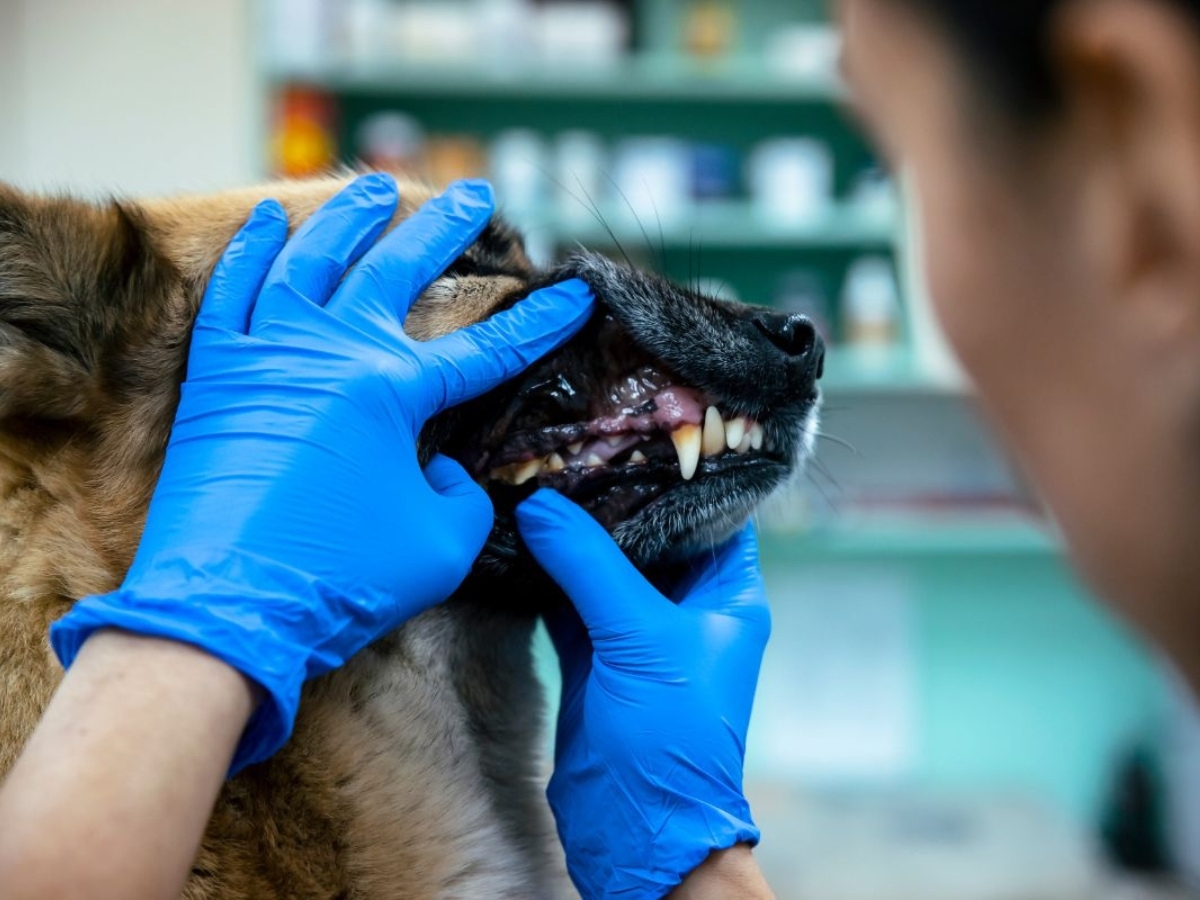
Ans: Common indicators of established dental disease include persistent bad breath, red or swollen gums, visible yellow-brown tartar, drooling, chewing on one side of the mouth, or dropping food while eating.