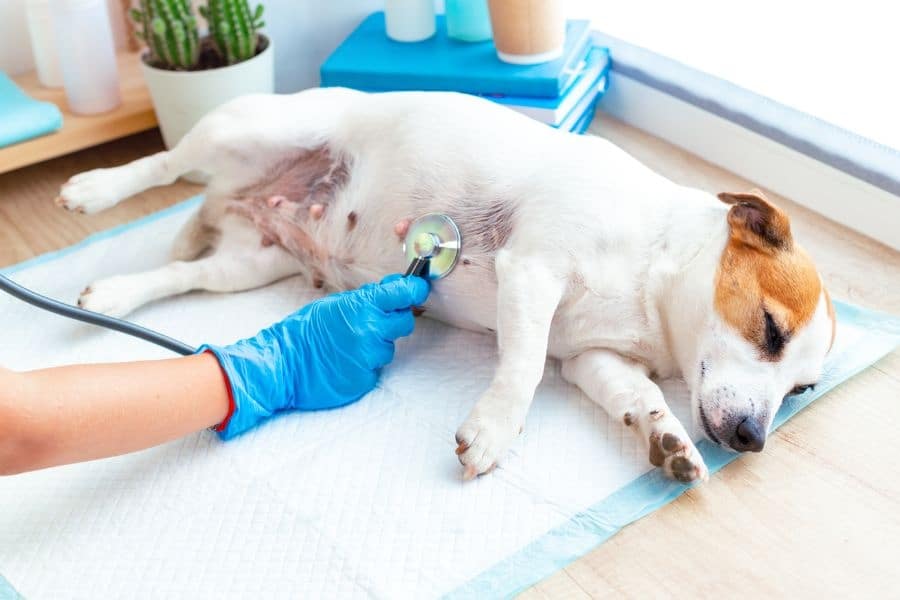

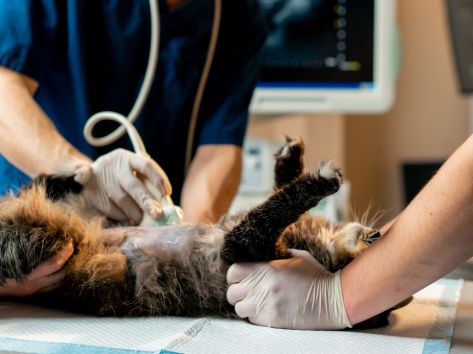
As pet owners, we all want our pets to live long, healthy, and happy lives. However, just like humans, pets can suffer from a variety of health issues, some of which may not be immediately apparent. This is where comprehensive pet diagnostic care becomes essential. Regular veterinary check-ups, combined with diagnostic tests, allow you to identify health issues early, ensuring that your pet gets the care they need before problems become severe.
In this blog post, we’ll explore the importance of comprehensive diagnostic care, how it helps with early detection, and why it is vital for your pet’s long-term health. This blog is especially for pet owners in Carrollton, TX, who want to ensure their pets stay in optimal health throughout their lives.
What is Comprehensive Pet Diagnostic Care?
Comprehensive diagnostic care refers to the wide range of tests and assessments that veterinarians use to evaluate your pet’s overall health. These tests include blood work, urinalysis, X-rays, ultrasounds, and other diagnostic tools. These diagnostic tools are crucial for identifying underlying health conditions that may not show symptoms right away.
How It Helps: Regular diagnostic care provides a complete picture of your pet’s health, allowing your veterinarian to detect issues early, monitor ongoing conditions, and ensure that treatment plans are effective. Comprehensive diagnostics help address concerns related to both minor and serious health conditions.
1. Early Detection of Health Problems
One of the most significant benefits of comprehensive diagnostic care is the ability to catch health problems early. Pets, particularly those who are aging, often hide signs of discomfort or illness, making it challenging for owners to detect problems. Through regular diagnostic tests, your veterinarian can identify potential health risks before they become major issues.
How Early Detection Helps: Early diagnosis allows for prompt treatment and intervention. For example, diagnosing kidney disease early can allow for dietary changes and medications to help manage the condition, preventing kidney failure. Similarly, early detection of cancers or heart disease opens up a wider range of treatment options, leading to a better chance of managing or even curing the disease.
2. Prevention of Severe Health Conditions
While it’s impossible to prevent all health problems, regular diagnostic care plays a significant role in preventing the onset of many common pet diseases. By staying on top of your pet’s health, your veterinarian can recommend proactive measures such as vaccinations, parasite control, and dietary adjustments.
How Preventive Care Helps: Preventive care can minimize the risk of health issues like heartworm disease, fleas, ticks, and other common pet parasites. Regular diagnostic exams also help monitor your pet’s weight, dental health, and overall well-being. A proper preventive care plan helps keep your pet healthier for longer and prevents costly treatments for advanced health conditions.
3. Managing Chronic Conditions Effectively
Chronic conditions, such as diabetes, arthritis, or allergies, are common in aging pets. These conditions may not be immediately life-threatening, but they require ongoing management and monitoring to ensure your pet remains comfortable and active.
How Diagnostic Care Helps: Regular diagnostic tests allow your veterinarian to monitor chronic conditions and make adjustments to treatment plans. For example, if your pet has arthritis, diagnostic exams such as X-rays can assess the progression of joint damage, while blood tests can monitor pain levels and inflammation. For pets with diabetes, routine blood glucose tests help ensure their condition is under control and that they are receiving the correct insulin dosage.
4. Comprehensive Health Monitoring
Your pet’s health is constantly changing, and comprehensive diagnostic care provides ongoing monitoring to detect any changes. Regular health assessments allow your veterinarian to keep track of your pet’s internal and external health, from organ function to the condition of their teeth and gums.
How It Helps: Comprehensive health monitoring helps identify small changes that might indicate a more serious issue. For example, routine blood work allows your vet to check liver and kidney function, detect early signs of infection, and assess your pet’s overall immune health. By monitoring these factors regularly, your vet can make adjustments to medications, diet, or lifestyle to maintain optimal health.
5. Dental Health and Its Impact on Overall Wellness
Dental health is often overlooked, but it is a critical aspect of pet diagnostic care. Poor oral hygiene can lead to gum disease, tooth loss, and even more severe health issues like heart disease or kidney damage. Many pets suffer from dental problems without their owners realizing it.
How Dental Diagnostics Help: During regular wellness exams, your vet will assess your pet’s teeth and gums for signs of disease. If necessary, they may recommend professional dental cleanings or treatments to prevent further complications. Regular dental exams help prevent oral infections that could lead to serious systemic health problems.
6. Imaging for a Clearer Picture of Internal Health
In some cases, your pet’s health concerns may not be immediately apparent through physical exams alone. Imaging techniques such as X-rays, ultrasounds, and CT scans are invaluable tools for identifying internal issues that might not be visible on the surface.
How Imaging Helps: X-rays allow veterinarians to check for bone fractures, joint problems, or tumors that could be affecting your pet’s health. Ultrasound imaging helps evaluate soft tissues such as the heart, liver, kidneys, and intestines. By identifying internal issues through imaging, your vet can make a more accurate diagnosis and create a targeted treatment plan.
7. Customized Health Plans for Your Pet
Every pet is unique, and comprehensive diagnostic care allows veterinarians to develop personalized health plans based on your pet’s specific needs. From diet and exercise to medications and lifestyle adjustments, tailored care ensures that your pet receives the best possible treatment for their health condition.
How It Helps: Personalized care plans allow your vet to address your pet’s individual health concerns, whether it’s managing a chronic condition or maintaining overall well-being. Tailored treatments help your pet stay as comfortable and healthy as possible, reducing the risk of complications and improving their quality of life.
Localizing Pet Diagnostic Care in Carrollton, TX
For pet owners in Carrollton, TX, regular diagnostic care is essential to maintaining your pet’s health. At All Creatures Veterinary Center, we offer a full range of diagnostic services, including blood work, imaging, dental care, and more. Our experienced veterinary team is dedicated to providing comprehensive care to ensure that your pet stays healthy throughout their life. Whether you’re concerned about a specific issue or just want to keep your pet’s health on track, we’re here to help.
Comprehensive diagnostic care is vital for your pet’s long-term health. Regular check-ups, early detection, preventive care, and ongoing health monitoring ensure that your pet stays healthy and happy throughout their life. From blood work to dental care and imaging, diagnostic tests allow your veterinarian to detect potential issues early and provide the best treatment options.
If you’re in Carrollton and need expert pet diagnostic care, schedule an appointment with All Creatures Veterinary Center. Our veterinary team is committed to providing the highest standard of care for your pet, ensuring they live a long and healthy life.
FAQs
Q1. How often should my pet receive diagnostic care?
It’s recommended that pets receive a routine wellness exam and diagnostic tests at least once a year. Older pets or those with health conditions may need more frequent visits.
Q2. Can diagnostic care help prevent health problems in pets?
Yes, diagnostic care helps detect health problems early and prevent them from becoming serious, allowing for early intervention and better outcomes.
Q3. What types of diagnostic tests are included in a wellness exam?
A wellness exam typically includes blood work, urinalysis, fecal tests, X-rays, and sometimes an ultrasound or dental exams, depending on your pet’s age and health.
Q4. How can I prepare my pet for diagnostic tests?
Follow your vet’s instructions, which may include fasting before certain tests. Keeping your pet calm and comfortable before the visit helps ensure accurate results.
Q5. Are there any risks associated with pet diagnostic tests?
Most diagnostic tests are safe for pets. If your pet needs anesthesia for certain tests, your veterinarian will discuss any risks and precautions beforehand.
Q6. How can regular diagnostic care improve my pet’s health?
Regular diagnostic care helps detect health issues early, allowing for timely treatment and better outcomes. It also helps monitor existing conditions and improve your pet’s overall well-being.