
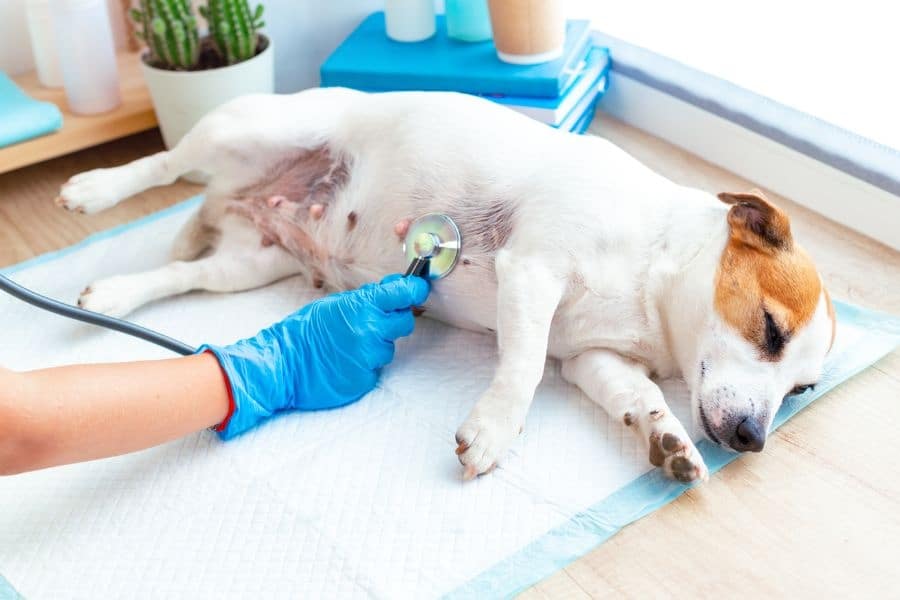
Dogs are remarkably good at hiding subtle signs of illness. A dog may continue eating, playing, and greeting the family while an underlying health problem is developing. This is why a veterinary diagnostic workup can be an important part of understanding your dog’s health when a physical examination alone does not provide the complete picture. Dog diagnostic care may involve several types of testing selected according to your dog’s age, medical history, symptoms, and examination findings. Blood testing, urine analysis, imaging, and other diagnostic tools can give your veterinarian information about organs and body systems that cannot always be evaluated from outward signs.
For pet parents in Carrollton, understanding what diagnostic testing can reveal may make it easier to recognize why your veterinarian recommends certain tests and how those results can guide your dog’s care.
Why Diagnostic Testing Matters for Dogs
A physical examination gives your veterinarian valuable information. Your dog’s heart, lungs, abdomen, skin, eyes, ears, mouth, movement, and overall condition can all provide important clues.
However, some health changes occur internally before they produce noticeable symptoms. A dog may have changes in kidney function, liver activity, blood cell levels, blood sugar, or other internal processes without showing obvious signs at home.
Diagnostic testing helps fill in those gaps.
Rather than relying on a single observation, veterinarians can combine your dog’s history, physical examination, behavior, and test results to develop a more complete understanding of what may be happening.
What Can Blood Testing Reveal?
Blood testing is one of the most commonly used diagnostic tools in veterinary medicine. Different blood tests provide different types of information, so your veterinarian chooses testing based on the clinical question.
A complete blood count can provide information about red blood cells, white blood cells, and platelets. Changes in these values may offer clues about anemia, inflammation, infection, bleeding, or other health concerns.
Blood chemistry testing can provide information about organs and metabolic processes. Depending on the panel, veterinarians may evaluate markers associated with the liver, kidneys, blood sugar, proteins, electrolytes, and other functions.
The results do not always identify a condition by themselves. Instead, they provide pieces of information that can be interpreted alongside your dog’s symptoms and examination.
What Can Urine Testing Tell Your Veterinarian?
Urine can provide useful information about several aspects of your dog’s health. A urinalysis may evaluate concentration, appearance, chemical characteristics, and microscopic findings.
Changes in urine concentration can provide clues about kidney function and hydration. Other findings may help veterinarians investigate urinary tract concerns, metabolic changes, or abnormalities that require additional testing.
Urine testing is especially useful when combined with bloodwork. Looking at both sets of results can provide a more complete picture of how certain body systems are functioning.
Imaging Can Look Beneath the Surface
Some conditions cannot be identified through blood or urine testing alone. Imaging can help veterinarians examine structures inside the body.
Digital radiography can provide images of bones and many internal structures. It may help evaluate concerns involving the chest, abdomen, joints, bones, or other areas.
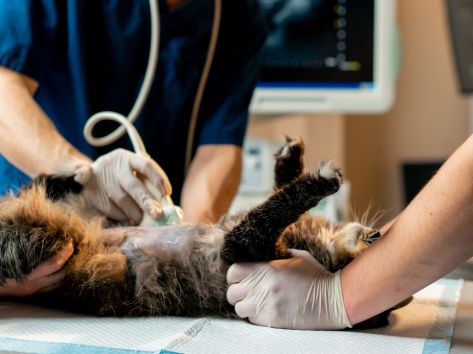
Ultrasound uses sound waves to create images of internal organs and soft tissues. It can provide information about structures that may not be clearly evaluated through radiographs.
The choice between different imaging methods depends on what your veterinarian is trying to investigate. Sometimes one method is sufficient, while other cases may require more than one diagnostic approach.
Diagnostic Testing Can Help Investigate Digestive Problems
Digestive changes are common reasons dogs visit a veterinarian. Vomiting, diarrhea, appetite changes, weight loss, or changes in stool can have many possible causes.
A diagnostic workup can help narrow those possibilities.
Depending on the situation, testing may include bloodwork, urine analysis, fecal testing, or imaging. These tests can help evaluate hydration, organ function, inflammation, intestinal concerns, and other possible contributors.
The goal is not to order every possible test. The veterinarian considers the dog’s symptoms and history to determine which diagnostic tools are most relevant.
Weight Loss Can Deserve Further Investigation
Unexplained weight loss can sometimes be easy to miss, particularly when it develops gradually.
If a dog loses weight despite eating normally, your veterinarian may consider several possible explanations. A diagnostic workup can help evaluate metabolic function, organ health, digestion, and other potential factors.
The combination of physical examination findings and diagnostic results can help determine what should be investigated next.
Likewise, unexplained weight gain may also warrant discussion, especially if it occurs despite no obvious changes in diet or activity.
Changes in Drinking and Urination Matter
An increase or decrease in water consumption can be an important observation for pet owners to share with their veterinarian.
Increased thirst and urination can have several possible causes. Blood and urine testing may help veterinarians evaluate kidney function, blood sugar regulation, hydration, and other factors.
These tests are particularly useful because changes in drinking and urination may be subtle at first. Your observations at home can provide the starting point for deciding whether diagnostic testing is appropriate.
Diagnostic Workups Can Help Investigate Liver Health
The liver performs many important functions, including processing nutrients, producing proteins, and helping the body process certain substances.
Some liver problems may not cause obvious symptoms during their early stages. Blood chemistry testing can provide information about markers associated with liver activity and may help determine whether additional evaluation is needed.
If results suggest a concern, your veterinarian may recommend additional testing or imaging based on the individual case.
Kidney Function Can Be Evaluated Through Multiple Tests
Kidneys help regulate fluid balance and remove waste products from the body. Changes in kidney function may initially produce few noticeable signs.
Blood testing can evaluate certain waste products and other markers, while urine testing provides additional information about how the kidneys are functioning.
Looking at both types of results can give your veterinarian a more complete picture than relying on one measurement alone.
This is one reason a diagnostic workup is often tailored to the individual dog rather than following the same testing plan for every patient.
Diagnostic Testing Can Support Senior Dog Care
As dogs age, routine health monitoring can become increasingly valuable. Senior dogs may experience gradual changes that are difficult for owners to recognize because they develop slowly.
A dog may sleep more, move less, lose muscle, drink differently, or show changes in appetite. While some changes may be associated with aging, others may indicate an underlying health concern.
Regular examinations combined with appropriate diagnostic testing can establish useful health information and allow your veterinarian to compare current results with previous findings.
What Happens When Results Are Abnormal?
An abnormal test result does not automatically mean your dog has a serious disease. Laboratory values can be influenced by many factors, including hydration, medications, recent activity, diet, and individual variation.
Your veterinarian interprets results in context. Depending on the finding, they may recommend repeating a test, performing additional diagnostics, monitoring your dog over time, or beginning a specific treatment plan.
This step by step approach helps avoid making conclusions based on a single number.
Why Your Dog’s History Matters
Diagnostic testing works most effectively when your veterinarian has a complete picture of your dog.
Before an appointment, think about changes in appetite, water intake, energy, weight, bathroom habits, sleep, activity, behavior, and other daily routines.
Even details that seem unrelated may help your veterinarian determine which diagnostic tests are appropriate.
For example, a gradual change in stamina may be more meaningful when considered alongside age, weight, heart sounds, breathing patterns, and laboratory findings.
Preventive Testing Can Establish a Health Baseline
Diagnostic testing is not only useful when a dog appears sick. In some situations, your veterinarian may recommend baseline testing to establish information about your dog’s normal health.
Having previous results available can make future comparisons more informative. If a value changes later, your veterinarian can consider whether it is different from your dog’s previous baseline.
The appropriate approach depends on your dog’s age, medical history, lifestyle, and individual health needs.
A Diagnostic Workup Is About Connecting the Clues
There is rarely one test that answers every veterinary health question. Instead, diagnostic care often involves connecting several pieces of information.
Your veterinarian may begin with your dog’s history and physical examination, then select laboratory testing or imaging based on the findings. Results can lead to additional questions and, when necessary, further testing.
This process allows veterinary professionals to investigate health concerns in a structured way rather than relying solely on visible symptoms.
Supporting Your Dog’s Health in Carrollton
Understanding your dog’s health means looking beyond what you can see at home. A diagnostic workup can provide information about internal organs, blood cells, metabolism, urinary function, and other areas that may not be apparent during everyday activities.
For pet parents in Carrollton, All Creatures Veterinary Center can help you understand how diagnostic testing may fit into your dog’s individual health plan. Whether your dog has a new symptom, a gradual behavior change, or needs ongoing health monitoring, diagnostic information can give your veterinary team additional insight.
Regular veterinary examinations and appropriate testing work together to provide a more complete picture of your dog’s health.
Schedule Dog Diagnostic Care in Carrollton
Have you noticed a change in your dog’s appetite, energy, weight, drinking, urination, digestion, or daily behavior? Schedule an online appointment with All Creatures Veterinary Center in Carrollton to discuss your concerns.
Your veterinarian can perform an appropriate examination and determine whether bloodwork, urine testing, imaging, or another diagnostic approach may be helpful. Contact our vet team to book an appointment and take a proactive step toward understanding and supporting your dog’s health.
Frequently Asked Questions
Q1. When does a dog need diagnostic testing?
Ans: Diagnostic testing may be recommended when a dog has unexplained symptoms, abnormal findings during an examination, changes in routine, ongoing health concerns, or a need for additional monitoring. Your veterinarian determines which tests are appropriate based on the individual dog.
Q2. Can bloodwork detect health problems before symptoms appear?
Ans: Bloodwork can sometimes identify changes in organ function, blood cells, metabolism, or other processes before obvious symptoms develop. Results must be interpreted alongside your dog’s history and physical examination.
Q3. Why might my dog need both blood and urine testing?
Ans: Blood and urine tests provide different types of information. Using both can give your veterinarian a broader view of kidney function, hydration, metabolic health, and other internal processes.
Q4. Does an abnormal diagnostic result always mean my dog is sick?
Ans: No. An abnormal result may have several possible explanations and does not automatically confirm a specific disease. Your veterinarian may repeat the test or recommend additional evaluation before reaching a conclusion.
Q5. Can diagnostic testing be useful for healthy senior dogs?
Ans: Diagnostic testing can provide valuable baseline information and help monitor changes in aging dogs. Your veterinarian can determine whether routine testing is appropriate based on your dog’s age, health history, and individual risk factors.