

When a pet is not feeling well, diagnostic testing can provide important information about what may be happening inside the body. However, the first test does not always provide a complete explanation. A result may be normal even when symptoms continue, or it may reveal a change without identifying its exact cause.
This situation can understandably leave pet owners wondering what happens next. The answer is usually not to stop looking for an explanation. Instead, veterinarians review the available information, reconsider the possible causes, and determine whether another diagnostic step could provide a useful answer.
At All Creatures Veterinary Center in Carrollton, pet diagnostic care involves looking at the complete clinical picture. When initial testing does not explain a concern, additional evaluation may help veterinarians understand what information is still missing.
A Normal Test Does Not Always Mean Nothing Is Wrong
One of the most important things to understand about diagnostic testing is that every test has a specific purpose. A test may be designed to evaluate certain organs, substances, structures, or body functions, but it cannot necessarily detect every possible condition.
For example, a pet may have persistent digestive symptoms while an initial laboratory panel does not identify an obvious abnormality. The result can still be useful because it may rule out or make certain possibilities less likely.
Veterinarians do not interpret test results in isolation. They compare the findings with the pet’s symptoms, physical examination, age, medical history, and changes noticed at home.
A normal result can therefore become one piece of a larger diagnostic picture.
The Veterinarian May Revisit the Original Symptoms
When the first test does not provide a clear answer, the veterinarian may take another look at the symptoms themselves.
Questions about when the problem started, how often it occurs, whether it is getting worse, and what seems to trigger or relieve it can provide valuable clues.
For example, occasional vomiting may lead to different considerations than frequent vomiting accompanied by reduced activity. Likewise, gradual weight loss may require a different diagnostic approach from a sudden change in appetite.
The details surrounding a symptom can help determine which possibilities deserve further attention.
The Physical Examination May Offer New Clues
A follow up evaluation can also involve another physical examination. As a pet’s condition changes, new findings may become noticeable.
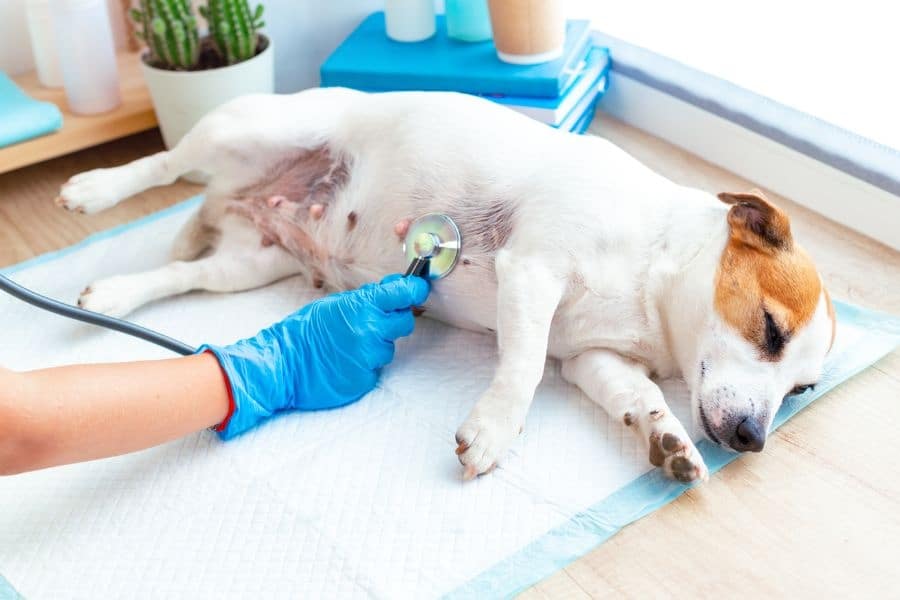
A veterinarian may reassess body condition, hydration, movement, breathing, heart sounds, the abdomen, skin, coat, eyes, ears, or other areas depending on the symptoms.
Sometimes the initial examination and test results provide a direction, but a later change makes another possibility more relevant. Reassessing the pet allows the diagnostic process to adapt to new information.
This is one reason persistent symptoms should not be ignored simply because an earlier test was inconclusive.
Previous Results Can Help Guide the Next Step
Earlier diagnostic results remain useful even when they do not provide a final explanation. They create a record of what was evaluated and what the pet’s condition looked like at that point in time.
A veterinarian can compare previous results with newer findings to identify changes or trends. Something that appears minor on one test may become more meaningful when viewed alongside another result collected later.
Pet owners should keep copies of previous veterinary records whenever possible. Information from earlier appointments can help provide continuity when a pet needs additional diagnostic evaluation.
Another Test May Answer a Different Question
If the first diagnostic test does not explain the problem, another test may be recommended because it evaluates something different.
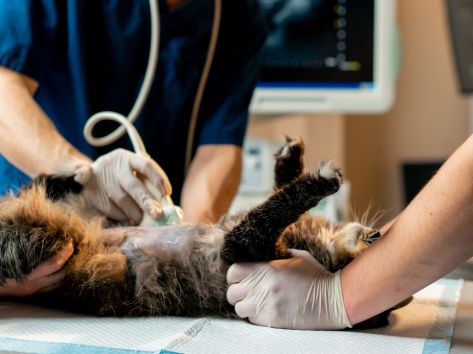
Laboratory testing can provide information about internal body processes, while imaging can help evaluate physical structures. Other diagnostic procedures may focus on particular organs, tissues, or body functions.
The goal is not to order tests simply because the first one was inconclusive. Each additional test should have a reason behind it.
A veterinarian may explain what the next test is intended to investigate and how the result could influence the diagnostic plan.
When Advance Testing May Be Considered
Sometimes routine diagnostic procedures provide useful information but do not fully explain persistent symptoms. In these situations, advance testing may be considered.
Advance testing can involve more specialized diagnostic methods when a veterinarian needs additional information about a particular concern. Whether it is appropriate depends on the pet’s symptoms, previous results, physical examination, medical history, and suspected conditions.
Not every pet with unexplained symptoms needs advanced diagnostics. The decision should be based on the questions that remain unanswered.
When additional information is likely to change the understanding of the problem, a more detailed diagnostic approach may be helpful.
Multiple Tests Can Work Together
It is easy to think of diagnostic tests as individual answers. In reality, several results can work together to create a much clearer picture.
Consider a pet with ongoing changes in appetite and activity. An initial laboratory test may provide information about general health. If those findings do not explain the symptoms, imaging may provide information about internal structures. Another test could then be considered if the veterinarian needs to investigate a particular finding more closely.
Each result adds another layer of information.
The final understanding may come from the combination of several findings rather than one definitive test.
Diagnostic Plans Can Change as Symptoms Develop
A diagnostic plan is not always fixed. If a pet’s condition changes, the veterinarian may modify the next steps.
New symptoms can change which conditions are being considered. An improvement may suggest one direction, while worsening or the appearance of another symptom may point toward something different.
This flexible approach allows veterinarians to respond to the pet’s current condition rather than relying entirely on information collected earlier.
Pet owners can help by reporting meaningful changes between appointments.
Your Observations Matter During Follow Up Care
Owners often notice changes that do not happen during a veterinary visit. This makes your observations an important part of pet diagnostic care.
Pay attention to eating and drinking habits, activity levels, sleep, bathroom patterns, weight changes, behavior, grooming, and unusual movements. Note when a symptom occurs and whether anything appears to make it better or worse.
If possible, keeping a simple record can make it easier to describe the pattern during the appointment.
Short videos of unusual behavior or movement may also provide useful context when the behavior is not present in the clinic.
Avoid Assuming the First Result Is the Final Answer
When a test does not explain a pet’s symptoms, it can be tempting to assume that the concern is minor or that nothing else can be done. However, an inconclusive result does not necessarily end the diagnostic process.
Instead, it can help narrow the possibilities and show the veterinarian where additional information may be needed.
The appropriate next step may involve monitoring, repeating a test, using another diagnostic method, reviewing medical history, or considering advance testing. The choice depends on the individual circumstances.
A methodical approach can prevent important clues from being overlooked.
Personalized Pet Diagnostic Care in Carrollton
Every pet presents with a different combination of symptoms, medical history, age, lifestyle, and physical findings. This means there is no universal sequence of diagnostic tests that applies to every animal.
All Creatures Veterinary Center in Carrollton can evaluate the information available and determine what additional questions may need to be answered when an initial test does not explain a pet’s condition.
For pet owners seeking pet diagnostic care in Carrollton, discussing persistent or unexplained symptoms with a veterinarian can help determine whether additional evaluation is appropriate. A careful review of previous results and current changes can provide a stronger foundation for the next step.
Schedule a Diagnostic Consultation
If your pet continues to show unusual symptoms despite an initial diagnostic test, contact All Creatures Veterinary Center to discuss your concerns. Schedule an online appointment or booking so your veterinarian can review the changes, previous findings, and possible next steps.
Additional evaluation may help provide information that was not available from the first test and move the diagnostic process toward a clearer understanding of your pet’s health.
Frequently Asked Questions
Q1. What does it mean when my pet’s first diagnostic test is normal but symptoms continue?
Ans: A normal result may mean that the particular test did not identify an abnormality within what it was designed to evaluate. The veterinarian may review the symptoms and consider whether another diagnostic approach is appropriate.
Q2. Why would a veterinarian recommend another test after the first one?
Ans: Different tests answer different clinical questions. A second test may evaluate another body system, structure, or function and provide information that was not available from the initial test.
Q3. When might advance testing be recommended for a pet?
Ans: Advance testing may be considered when symptoms continue and routine examination or testing has not provided enough information. The veterinarian will determine whether additional testing is appropriate based on the individual case.
Q4. Should previous diagnostic results be brought to a follow up appointment?
Ans: Yes. Previous results can help veterinarians identify trends, compare changes over time, and understand what has already been evaluated. Providing previous veterinary records can support a more informed diagnostic process.
Q5. How can I help my veterinarian if my pet’s problem is difficult to diagnose?
Ans: Keep track of symptoms and changes in appetite, activity, behavior, bathroom habits, sleep, and other daily routines. Sharing detailed observations and relevant medical records can provide valuable context.