
The first few months of a kitten’s life are far more influential than most people realize. The experiences, interactions, and environments a kitten encounters during this window do not just affect how they behave as a baby. They shape the personality, confidence, and emotional resilience your cat will carry for the rest of their life. Understanding the role of early socialization is one of the most valuable aspects of kitten care, and it is something the team at All Creatures Veterinary Center in Carrollton is passionate about helping new kitten owners get right.
What the Socialization Window Is and Why It Closes Fast
Kittens have what behaviorists call a “sensitive period” for socialization, which runs roughly from two to seven weeks of age, with effects extending through about twelve to fourteen weeks. During this time, a kitten’s brain is primed to absorb new information about the world with relatively little fear. Positive experiences during this period become part of their baseline understanding of what is safe and normal.
After this window closes, the learning does not stop, but it becomes significantly harder. A kitten that was not exposed to children, other animals, handling, or varied sounds and environments during those early weeks is much more likely to respond to those things with fear or aggression later in life. That fear can become deeply ingrained and, in many cases, is difficult to reverse completely even with patient, consistent work.
This is why timing matters so much in kitten care. Many kittens arrive in their new homes at eight to ten weeks old, which means the socialization window is already narrowing. The weeks before that adoption and the weeks immediately following it carry enormous weight.
What Good Socialization Actually Looks Like
Socialization is not simply about handling a kitten frequently, though gentle handling is certainly part of it. True socialization involves intentional, positive exposure to a wide variety of people, animals, surfaces, sounds, and situations so the kitten builds confidence across contexts rather than just in familiar ones.
Introduce your kitten to people of different ages, appearances, and energy levels. Let them experience children who move quickly and adults who are quieter. Expose them to other vaccinated, healthy animals in a controlled way. Let them walk on carpet, tile, grass, and gravel. Allow them to hear household sounds like the vacuum, the dishwasher, doors opening and closing, and music at different volumes.
The key throughout all of this is keeping experiences positive. Never force a kitten into a situation that is clearly overwhelming them. Watch for signs of stress, including flattened ears, a puffed tail, dilated pupils, freezing, or attempts to flee. Step back, give the kitten space, and try again more gradually. Positive associations, built slowly and consistently, are what wire a kitten’s brain toward confidence rather than anxiety.
The Lasting Impact of the Early Veterinary Experience
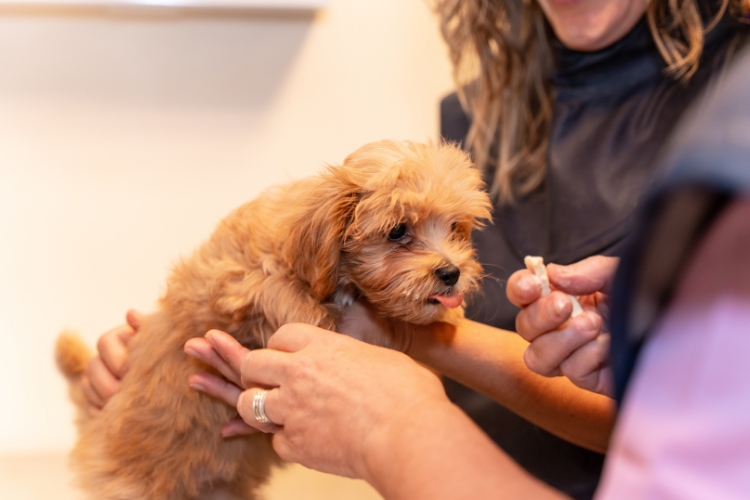
One specific aspect of socialization that is especially relevant to kitten care is how a kitten experiences their first veterinary visits. A kitten that has a frightening first visit to the clinic, one involving restraint, unfamiliar smells, and handling by strangers with no positive association built beforehand, is likely to carry that fear into every subsequent visit for years.
Bringing your kitten in for their early wellness visits is important not just for vaccines and health screening but as a socialization experience in its own right. Handling your kitten’s paws, ears, and mouth at home before vet visits helps them become accustomed to the kind of examination they will experience at the clinic. Bringing high-value treats and making the carrier a comfortable, familiar space rather than something that only appears on stressful days are simple but effective ways to shape a more positive association with veterinary care.
At All Creatures Veterinary Center, we work hard to make early kitten visits a calm and reassuring experience. A kitten that associates the veterinary clinic with positive, low-stress handling is a kitten that will be far easier to care for medically throughout their entire life.
Common Socialization Mistakes New Kitten Owners Make
Even well-meaning owners can inadvertently undermine good socialization without realizing it. One of the most common mistakes is over-protecting a new kitten by keeping them isolated from all new stimuli “until they settle in.” While it is true that a kitten needs time to adjust to a new home, complete isolation from new experiences during the sensitive period is a missed opportunity.
Another frequent mistake is misreading a kitten’s tolerance. Just because a kitten tolerates something does not mean they are comfortable with it. A kitten that freezes and goes still when picked up by a child is not relaxed. They are using a stress response called tonic immobility. Learning to read your kitten’s body language accurately is a core part of responsible kitten care.
Finally, some owners inadvertently reward fearful behavior by rushing to soothe a kitten every time it shows anxiety. Calm, matter-of-fact reassurance is appropriate, but excessive coddling in response to fear can reinforce the idea that there is genuinely something to be afraid of. Staying relaxed yourself and pairing new experiences with treats or play helps a kitten take their emotional cues from you.
Socialization After Adoption: It Is Never Too Late to Help
If your kitten missed out on ideal early socialization, whether because they were a feral litter, a bottle baby, or simply not exposed to much before you brought them home, there is still a great deal you can do. Progress may be slower and the ceiling of comfort may be lower, but patient, consistent positive exposure can meaningfully improve a cat’s confidence and quality of life at any age.
The approach is the same: small steps, positive associations, and never forcing the pace. Work at your cat’s threshold, not beyond it. Celebrate small wins. A cat that used to hide when the doorbell rang but now simply retreats to another room has made real progress, even if it does not look dramatic from the outside.
If you are struggling with a fearful or reactive kitten or cat, consulting your veterinarian is a good first step. In Carrollton, the team at All Creatures Veterinary Center can help assess whether behavioral support, environmental modifications, or a referral to a certified animal behaviorist might be appropriate for your specific situation.
Conclusion: The Investment You Make in Kittenhood Pays Off for a Lifetime
The effort you put into socializing your kitten during those early weeks and months is one of the highest-return investments in pet ownership. A well-socialized cat is easier to handle, more resilient in new situations, less prone to stress-related illness, and simply happier across the span of their life. Thoughtful, consistent kitten care during the socialization window shapes the kind of companion your cat will be for the next fifteen or twenty years.
At All Creatures Veterinary Center in Carrollton, our team is here to support you through every stage of your kitten’s development. Schedule your kitten’s wellness visit today and let us help you give your new companion the very best start. We are committed to helping kitten owners build the foundation for a confident, healthy, and well-adjusted cat. Book your kitten’s first wellness visit today and take the first step in a lifetime of great care.
Frequently Asked Questions
Q1. When should I start socializing my kitten?
Ideally, socialization begins before you even bring your kitten home, during the two-to-seven-week sensitive period that responsible breeders and foster caregivers can facilitate. Once your kitten is home with you, typically around eight to ten weeks, continue the process immediately. Every positive experience during the first few months contributes to your kitten’s long-term confidence and behavior.
Q2. My kitten seems fearful of everything. Is that normal?
Some wariness of new things is completely normal for young kittens. However, extreme or persistent fear, especially if it seems to be getting worse rather than better, is worth discussing with your veterinarian. In Carrollton, the team at All Creatures Veterinary Center can help determine whether your kitten’s behavior falls within the normal range or whether additional support might be beneficial.
Q3. How does early socialization connect to kitten care at the vet?
A kitten that has been gently handled, exposed to different people, and introduced to the carrier as a safe space will have a much calmer experience during veterinary visits. This matters for their immediate comfort and for the quality of care your veterinarian can provide when a kitten is relaxed rather than fearful or defensive.
Q4. Can I socialize my kitten with other pets in the household?
Yes, with care. Introductions to other pets should be gradual, controlled, and always supervised. Make sure any animals your kitten meets are vaccinated and healthy. Start with scent introduction through a closed door before progressing to visual contact and then supervised interaction. Rushing introductions is one of the most common causes of lasting inter-pet conflict in multi-animal households.
Q5. What if I adopted an older kitten or adult cat that missed early socialization?
Progress is still very possible. Older cats can learn to tolerate and even enjoy new experiences, though it often takes more time and patience than with a young kitten. Consistent positive exposure, a low-stress home environment, and guidance from your veterinarian are the most effective tools available. Never give up on a fearful cat: with the right approach, most make meaningful improvements.