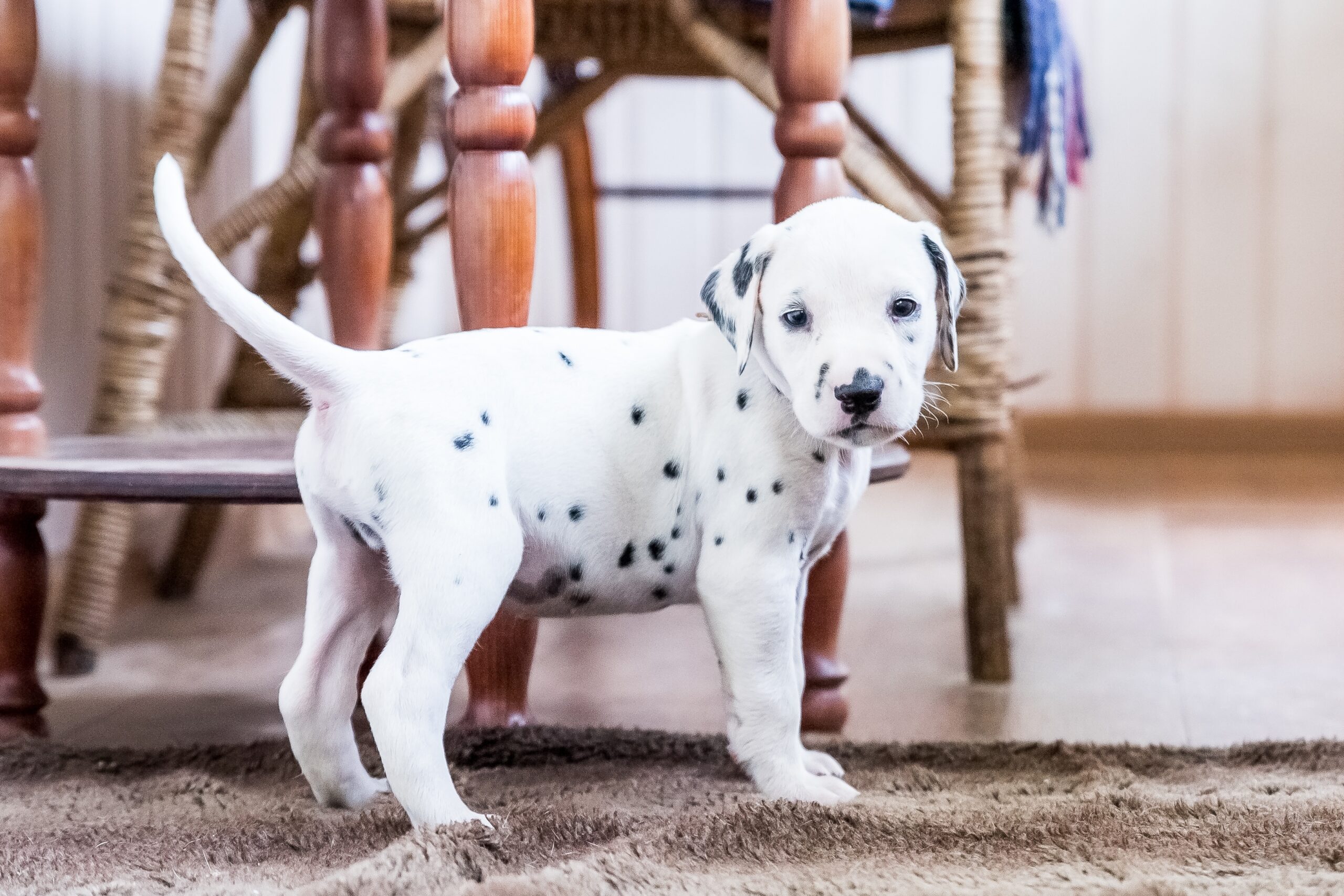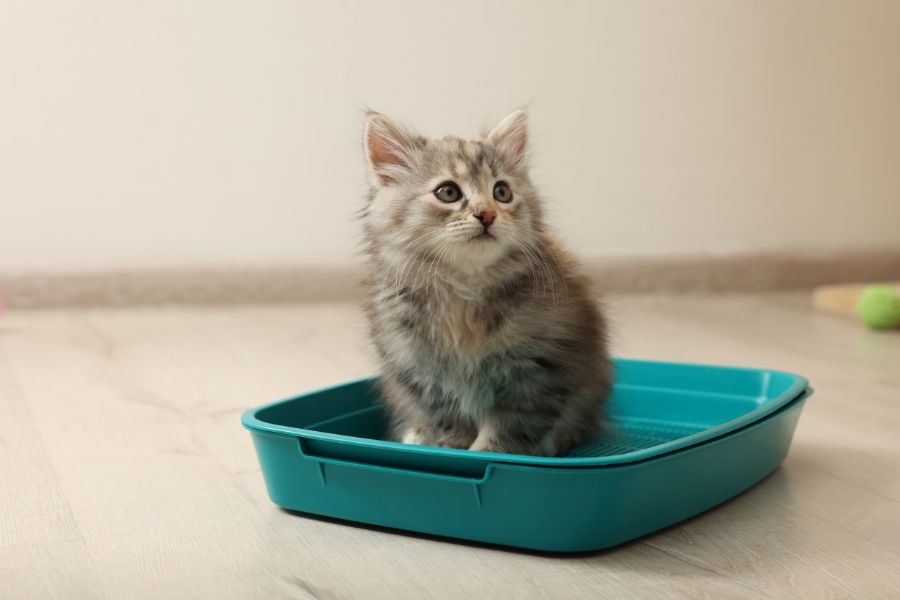

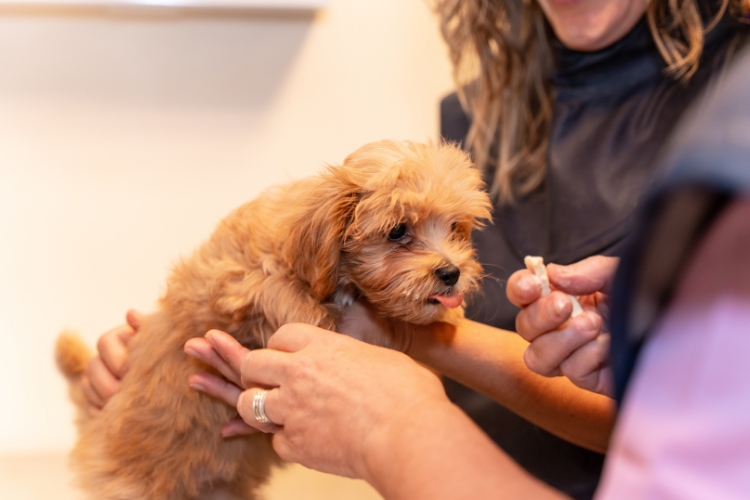
Bringing a new puppy home is an exciting and joyful experience. However, it also comes with responsibility, planning, and consistent effort. During the first year, your puppy goes through rapid growth and development. Therefore, understanding how to properly care for your new companion is essential for building a strong foundation for lifelong health and happiness.
In this comprehensive guide, you will learn everything you need to know—from nutrition and training to veterinary visits and socialization. Whether you are a first-time pet owner or adding another furry member to your family, these vet-approved tips will help you navigate the journey with confidence. This guide is especially helpful for pet owners in Carrollton, TX.
Preparing Your Home for a New Puppy
Before your puppy arrives, it is important to create a safe and welcoming environment. Start by removing hazardous items such as electrical cords, toxic plants, and small objects that could be swallowed.
Additionally, set up a designated space with:
- A comfortable bed
- Food and water bowls
- Safe chew toys
- A crate for training and rest
By preparing your home in advance, you reduce stress for both you and your puppy.
Nutrition: Building a Healthy Foundation
Proper nutrition plays a vital role in your puppy’s growth. Puppies require a balanced diet rich in protein, healthy fats, vitamins, and minerals.
Key Feeding Tips:
- Choose high-quality puppy food recommended by veterinarians
- Feed small portions multiple times a day
- Always provide fresh, clean water
- Avoid feeding human food that may be harmful
Moreover, consult your veterinarian to determine the best diet based on your puppy’s breed, size, and activity level.
Veterinary Care and Vaccinations
Regular veterinary visits are essential during the first year. Puppies need a series of vaccinations to protect them from serious diseases.
In addition, your veterinarian will perform routine checkups to monitor growth and detect any early health concerns. Preventive care, such as flea and tick control, is equally important.
Training and Behavior Development
Training should begin as early as possible. Puppies learn quickly, and early training helps establish good habits.
Start With Basic Commands:
- Sit
- Stay
- Come
- Leave it
Use positive reinforcement techniques such as treats and praise. Avoid punishment, as it can create fear and confusion.
Furthermore, consistency is key. Practice commands daily and ensure all family members follow the same rules.
Socialization: Raising a Confident Dog
Socialization is crucial during the first few months. It helps your puppy become comfortable around different people, environments, and other animals.
Ways to Socialize Your Puppy:
- Introduce them to new sounds and experiences
- Arrange playdates with vaccinated dogs
- Take short walks in safe areas
As a result, your puppy develops confidence and reduces the risk of behavioral issues later in life.
Grooming and Hygiene
Regular grooming keeps your puppy clean and healthy. Depending on the breed, grooming needs may vary.
Basic Grooming Routine:
- Brush their coat regularly
- Trim nails every few weeks
- Clean ears gently
- Bathe when necessary using puppy-safe shampoo
In addition, early grooming helps your puppy get used to being handled, making future grooming sessions easier.
Exercise and Playtime
Puppies are full of energy. Therefore, daily exercise is essential for both physical and mental well-being.
Recommended Activities:
- Short walks
- Interactive toys
- Training games
- Supervised outdoor play
However, avoid over-exercising young puppies, as their joints are still developing.
Teething and Chewing
Teething can be a challenging phase. Puppies often chew to relieve discomfort, which may lead to damaged furniture or belongings.
How to Manage Teething:
- Provide safe chew toys
- Redirect inappropriate chewing
- Keep valuable items out of reach
By offering proper outlets, you can protect your home while supporting your puppy’s needs.
House Training Made Simple
House training requires patience and consistency. Establish a routine to help your puppy learn quickly.
Tips for Success:
- Take your puppy outside frequently
- Reward them immediately after they go
- Stick to a regular feeding schedule
- Use a crate for training support
Accidents may happen, but with time and consistency, your puppy will learn the right habits.
Understanding Your Puppy’s Health Signals
Puppies cannot communicate verbally, so it is important to recognize signs of illness or discomfort.
Watch for Symptoms Like:
- Loss of appetite
- Lethargy
- Vomiting or diarrhea
- Unusual behavior
If you notice any of these signs, consult your veterinarian promptly.
Building a Strong Bond
The first year is not just about physical care—it is also about building a strong emotional connection.
Spend quality time with your puppy through:
- Play
- Training
- Cuddling
- Positive interactions
As a result, you create trust and strengthen your relationship.
Seasonal Considerations for Puppy Owners
Living in Carrollton, TX, means dealing with seasonal temperature changes. Therefore, adjust your puppy’s care accordingly.
- Keep your puppy hydrated during hot weather
- Avoid walking on hot pavement
- Provide warm shelter during colder months
By adapting to the climate, you ensure your puppy stays comfortable year-round.
Common Mistakes to Avoid
Even with the best intentions, new pet owners may make mistakes.
Avoid These Common Errors:
- Skipping vet visits
- Inconsistent training
- Overfeeding
- Lack of socialization
By staying informed and proactive, you can prevent these issues and provide better care.
Caring for a puppy during its first year requires dedication, patience, and knowledge. From proper nutrition and training to regular veterinary care, every step plays a role in shaping your puppy’s future. By following these vet-approved guidelines, you can ensure your furry companion grows into a healthy, happy adult dog.
If you are in Carrollton and looking for puppy care near you, book an appointment with All Creatures Veterinary Center. Our veterinary team is committed to providing expert guidance and compassionate care for your growing puppy.
FAQs
1. How often should I feed my puppy during the first year?
Young puppies typically need 3–4 meals per day. As they grow, you can gradually transition to 2 meals daily based on your veterinarian’s advice.
2. When should my puppy receive vaccinations?
Puppies usually start vaccinations at 6–8 weeks of age, followed by booster shots every few weeks until about 16 weeks old.
3. How can I potty train my puppy effectively?
Maintain a consistent schedule, take your puppy outside frequently, and reward them immediately after successful potty breaks.
4. What are the best ways to socialize a puppy?
Introduce your puppy to different people, safe environments, and vaccinated animals gradually to build confidence and reduce fear.
5. How do I know if my puppy is healthy?
A healthy puppy is active, eats well, has a shiny coat, and shows normal behavior. Any sudden changes should be checked by a veterinarian.
6. When should I start basic training with my puppy?
You can begin basic training as early as 8 weeks old using positive reinforcement methods like treats and praise.