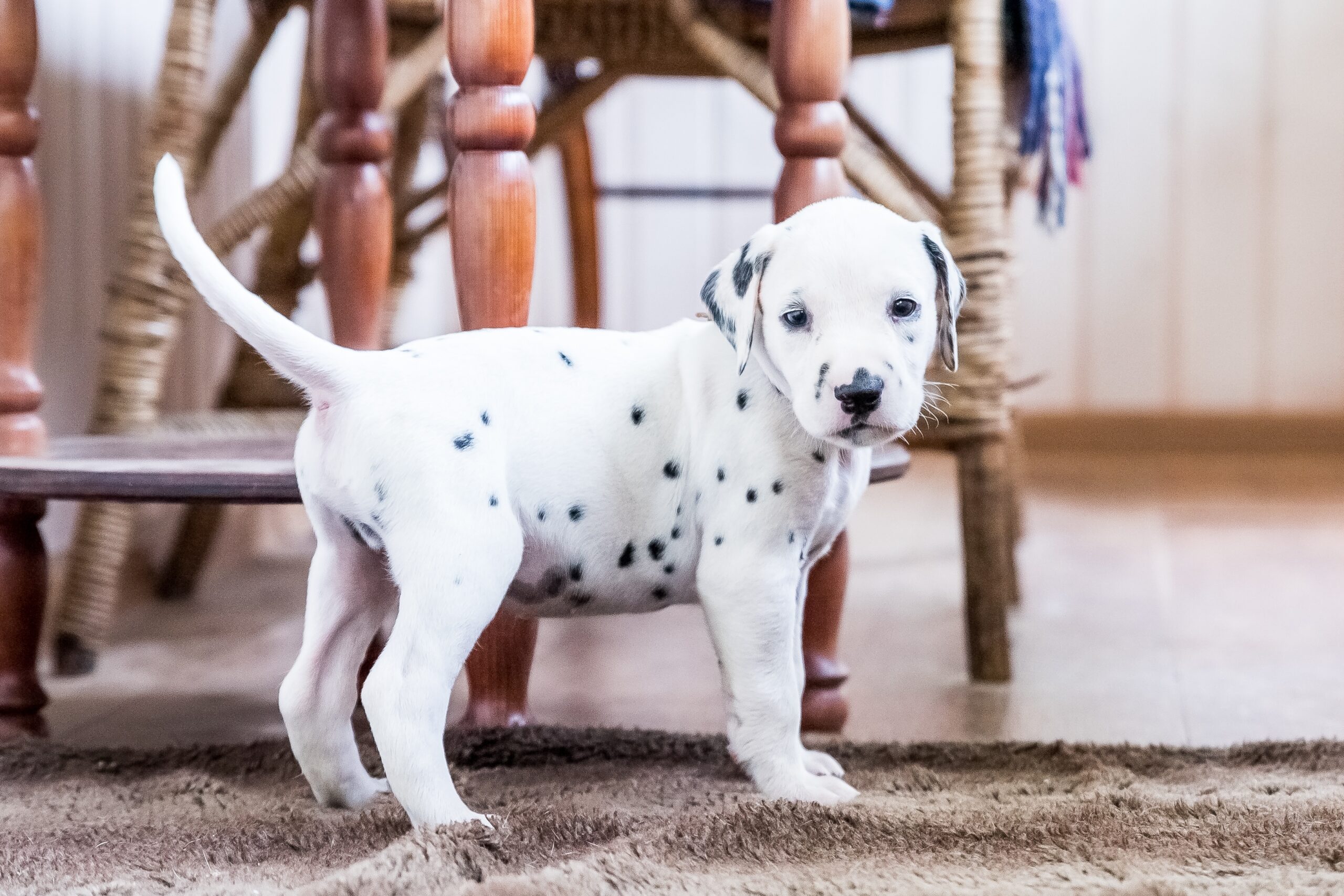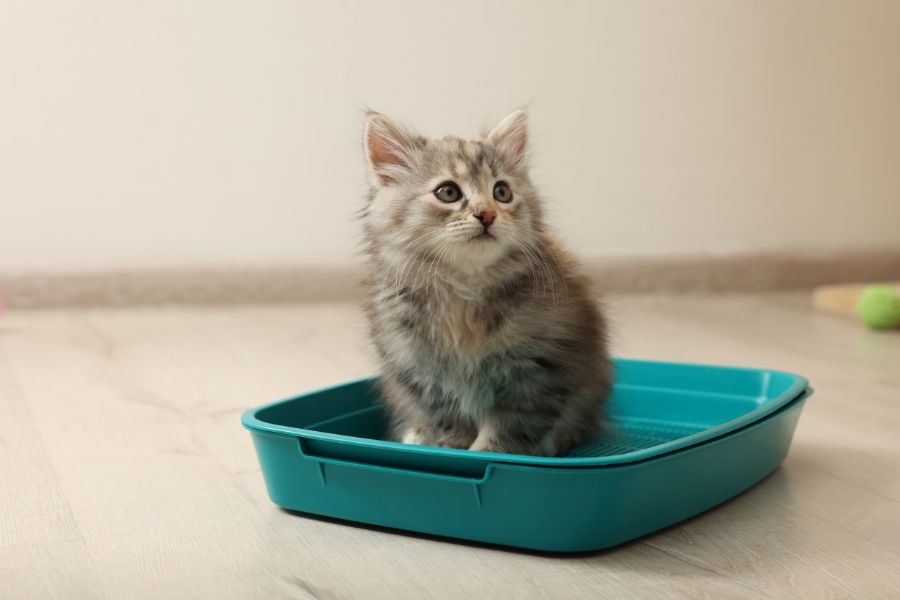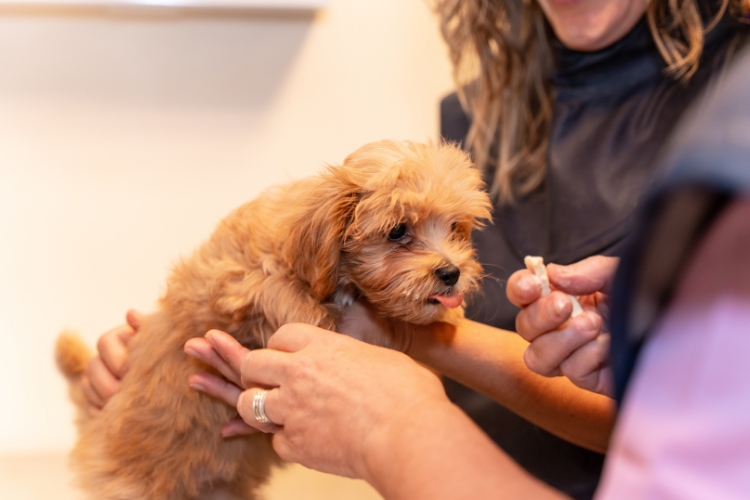


Bringing a puppy home is one of the most exciting things a pet owner can experience, but the weeks and months that follow require more than love and good intentions. Structure is the foundation of a well-adjusted, confident dog, and the daily routines you establish during puppyhood shape everything from house training success to long-term emotional health. Thoughtful puppy care from the very beginning gives your dog the consistency they need to thrive. At All Creatures Veterinary Center in Carrollton, we work closely with new puppy owners to help them build routines that set their pets up for a lifetime of good health and good behavior.
Why Routine Matters More Than Most Owners Expect
Puppies do not experience time the way humans do. They cannot reason about why something is different today or anticipate what comes next from an abstract understanding of the schedule. What they can do is recognize patterns, and patterns are what give them a sense of safety and predictability in a world that is otherwise full of overwhelming new information.
A puppy that knows when to expect meals, walks, play, training, and sleep is a puppy that spends less mental energy in a state of anxious uncertainty. That reduction in baseline stress has real downstream effects: puppies with consistent routines tend to house train faster, sleep better, engage more readily in training, and display fewer problem behaviors like destructive chewing or excessive barking.
The research on this is consistent with what veterinary professionals observe in practice. Puppies raised with structure adapt more easily to new environments and are more resilient when routines do get disrupted, because consistency has given them the emotional foundation to handle change without falling apart.
Building a Feeding Schedule That Supports Growth
One of the first routines to establish is a consistent feeding schedule. Young puppies, typically those under six months, need to eat three times per day to support their rapid growth and maintain stable blood sugar. Allowing a puppy to free-feed from a bowl left out all day undermines house training, makes it difficult to monitor appetite changes, and can contribute to overeating.
Feeding at the same times each day does several things at once. It regulates digestion, which makes elimination more predictable and therefore house training more manageable. It also creates natural anchors for the rest of the day’s routine, since a puppy will typically need to go outside within fifteen to thirty minutes of eating.
The type of food matters as much as the timing. Puppies require a diet formulated specifically for growth, with appropriate levels of protein, fat, calcium, and phosphorus. Large-breed puppies in particular have specific nutritional needs that differ from small-breed dogs, and feeding the wrong formula during this stage can affect bone and joint development. Your veterinary team can guide you toward the right diet for your puppy’s breed and projected adult size.
Sleep, Rest, and the Often-Overlooked Importance of Downtime
Puppies sleep far more than most new owners expect, sometimes sixteen to eighteen hours per day, and this is completely normal. Sleep is when a puppy’s brain processes the enormous amount of learning happening during waking hours, and it is when the body grows. Interrupting that sleep to interact with an adorable puppy, as tempting as it is, works against their development.
Building intentional rest periods into your puppy’s daily routine helps prevent overtiredness, which in puppies presents as biting, zoomies, whining, and general chaos rather than the calm sleepiness most owners would expect. A puppy that has had enough rest is a puppy that can focus during training, engage in appropriate play, and settle calmly at the end of the day.
Crate training, when done properly, supports healthy rest. A crate is not a punishment. It is a den-like space where a puppy can rest without overstimulation. Teaching your puppy to settle comfortably in a crate during the day and overnight gives them a reliable space to decompress, and it dramatically simplifies house training in the process.
Training Sessions: Short, Consistent, and Always Positive
Training is not a separate project you take on once your puppy is older and more capable. It is a daily part of puppy care that should begin from the very first week in your home. The good news is that effective training sessions for puppies are short, typically just five to ten minutes at a time, and can be woven seamlessly into the existing routine.
Use mealtimes as training opportunities by asking for a sit before placing the bowl down. Practice name recognition during walks. Reinforce calm behavior during grooming or handling. These micro-training moments add up quickly and begin building the communication foundation that more formal obedience training later will build upon.
Consistency is non-negotiable. Every member of the household needs to use the same cues, reinforce the same behaviors, and hold the same boundaries. A puppy that is allowed to jump on one family member but not another learns that rules are negotiable, which makes every other aspect of training harder. In Carrollton, we often remind puppy owners that confusion, not stubbornness, is the most common reason a puppy fails to respond to training.
Exercise: Matching Activity to Developmental Stage
Exercise is a critical part of daily puppy care, but the amount and type of exercise appropriate for a growing puppy is different from what an adult dog needs, and getting it wrong can cause lasting harm. A puppy’s growth plates, the areas of soft cartilage near the ends of the long bones, do not fully close until somewhere between twelve and twenty-four months depending on breed size. High-impact repetitive exercise before those plates close puts the puppy at risk for injury that can affect joint health for life.
This does not mean puppies should not exercise. It means exercise should be age-appropriate. Short, frequent play sessions, leash walks on soft surfaces, and free exploration in a safe yard are all excellent options for young puppies. What to avoid is forced, sustained, high-impact activity: long runs, repeated jumping, or extensive stair climbing during the growth period.
Mental exercise matters just as much as physical movement, and it tires a puppy out in a different, deeply satisfying way. Puzzle feeders, sniff walks where the puppy sets the pace and explores freely, and hide-and-seek games with treats or toys all engage a puppy’s brain and contribute to a calmer, more fulfilled animal at the end of the day.
Conclusion: Consistency Today Builds the Dog You Want Tomorrow
The routines you build during puppyhood are not temporary. They are the template your dog carries into adulthood. Consistent feeding times, predictable rest periods, daily training, age-appropriate exercise, and a stable structure are not about being rigid. They are about giving your puppy the foundation to grow into a confident, well-mannered, and emotionally secure dog.
At All Creatures Veterinary Center in Carrollton, supporting growing puppies and the families who love them is one of our greatest privileges. Schedule your puppy’s wellness visit today and let our team help you build a care plan tailored to exactly where your puppy is right now and where you want them to be. We are committed to giving every puppy the healthiest possible start through expert guidance, compassionate care, and practical puppy care support. Book your puppy’s wellness visit today and give your new companion the foundation they deserve.
Frequently Asked Questions
Q1. How many times a day should I feed my puppy?
Most puppies under six months old should eat three times per day. After six months, many puppies transition to two meals per day. Portion sizes and frequency should be based on your puppy’s age, breed, and the specific food you are using. Your veterinarian can help you determine the right feeding schedule and portion guidance for your individual puppy.
Q2. How much exercise does a puppy need each day?
A general guideline is five minutes of structured exercise per month of age, up to twice per day. So a three-month-old puppy might have two fifteen-minute walks or play sessions daily. Free play in a safe environment can be additional to this. Avoid repetitive high-impact activity until your veterinarian confirms your puppy’s growth plates have closed, which varies by breed size.
Q3. Is crate training really necessary for good puppy care?
Crate training is not mandatory, but it is one of the most effective tools available for house training and for giving a puppy a safe space to rest and decompress. When introduced gradually and paired with positive associations, most puppies adapt to a crate quickly and come to see it as their own comfortable space rather than a place of restriction.
Q4. When should training start for a new puppy?
Training should begin the moment your puppy comes home. Young puppies are capable of learning basic cues and household rules from as early as eight weeks old. Starting early takes advantage of the puppy’s natural curiosity and learning capacity, and it establishes communication patterns that make everything from house training to leash manners far smoother.
Q5. How do I know if my puppy’s routine is working?
A puppy thriving in a good routine will house train progressively with fewer accidents over time, settle more easily for rest, engage attentively during short training sessions, and display fewer problem behaviors like excessive barking or destructive chewing. If you are seeing ongoing challenges in any of these areas, bring them up at your next visit to All Creatures Veterinary Center so we can help troubleshoot together.