
As pet owners, we all want the best for our furry companions. We take care of their diet, exercise, and even their emotional well-being, but one aspect of their health that often gets overlooked is their dental hygiene. Pet dental care is just as important as any other aspect of your pet’s health, and regular dental cleanings play a key role in maintaining your pet’s overall well-being.
In this blog post, we’ll explore the importance of regular dental cleanings for your pet, how they contribute to your pet’s health, and why routine visits to the vet are crucial for your pet’s long-term oral health. This blog is especially for pet owners in Carrollton, TX, who want to keep their pets’ smiles bright and their health in tip-top shape.
Dental health is often overlooked, but it is a crucial part of your pet’s overall health. Just like humans, pets can develop dental problems such as plaque buildup, tartar, gum disease, and tooth decay. These problems can lead to discomfort, pain, difficulty eating, and even more serious health issues if not addressed properly.
1. Preventing Gum Disease and Tooth Loss
One of the most common dental problems in pets is gum disease, also known as periodontal disease. This condition occurs when plaque and tartar accumulate on your pet’s teeth, leading to inflammation of the gums. Over time, the infection can progress, causing pain, swelling, and even tooth loss.
How It Helps: Regular pet dental care prevents plaque and tartar from building up on your pet’s teeth, which helps reduce the risk of gum disease. Professional cleanings performed by your veterinarian remove plaque and tartar from hard-to-reach areas, below the gumline, where brushing alone cannot reach. Keeping your pet’s teeth and gums healthy prevents tooth loss and ensures they can continue to chew comfortably.
2. Reducing the Risk of Systemic Health Issues
While dental health may seem like a separate issue, poor oral hygiene can have serious effects on your pet’s overall health. Bacteria from dental disease can enter your pet’s bloodstream, causing infections in vital organs such as the heart, liver, and kidneys.
How It Helps: By addressing dental problems early with regular cleanings, you can prevent bacteria from spreading throughout your pet’s body. This is especially important in senior pets, who are at a higher risk of developing systemic health issues due to aging. Preventing dental disease helps protect your pet from heart disease, kidney infections, and other life-threatening conditions.
3. Maintaining Fresh Breath
Bad breath is one of the most noticeable signs of dental disease in pets. While it’s normal for pets to have a slight odor in their mouths, persistent bad breath, also known as halitosis, is often a sign that something more serious is going on.
How It Helps: Regular dental cleanings remove the buildup of plaque and tartar that causes bad breath. During a professional cleaning, your veterinarian will remove the food particles and bacteria that contribute to odor, ensuring your pet’s breath stays fresh. Keeping your pet’s mouth clean not only helps with breath but also contributes to their overall comfort and well-being.
4. Improving Your Pet’s Comfort and Quality of Life
Dental problems in pets can cause significant pain, making it difficult for them to eat, play, or even enjoy their day-to-day activities. If left untreated, conditions like gum disease and tooth decay can lead to severe discomfort. Pets often hide pain, so you may not even know that your pet is suffering until the problem becomes more advanced.
How It Helps: Regular cleanings help prevent the progression of dental issues, ensuring that your pet remains comfortable. Professional cleanings are thorough and can remove plaque and tartar buildup, preventing discomfort and pain associated with dental disease. Keeping your pet’s teeth and gums healthy helps them maintain a high quality of life, allowing them to continue enjoying their favorite activities without pain.
5. Early Detection of Dental Problems
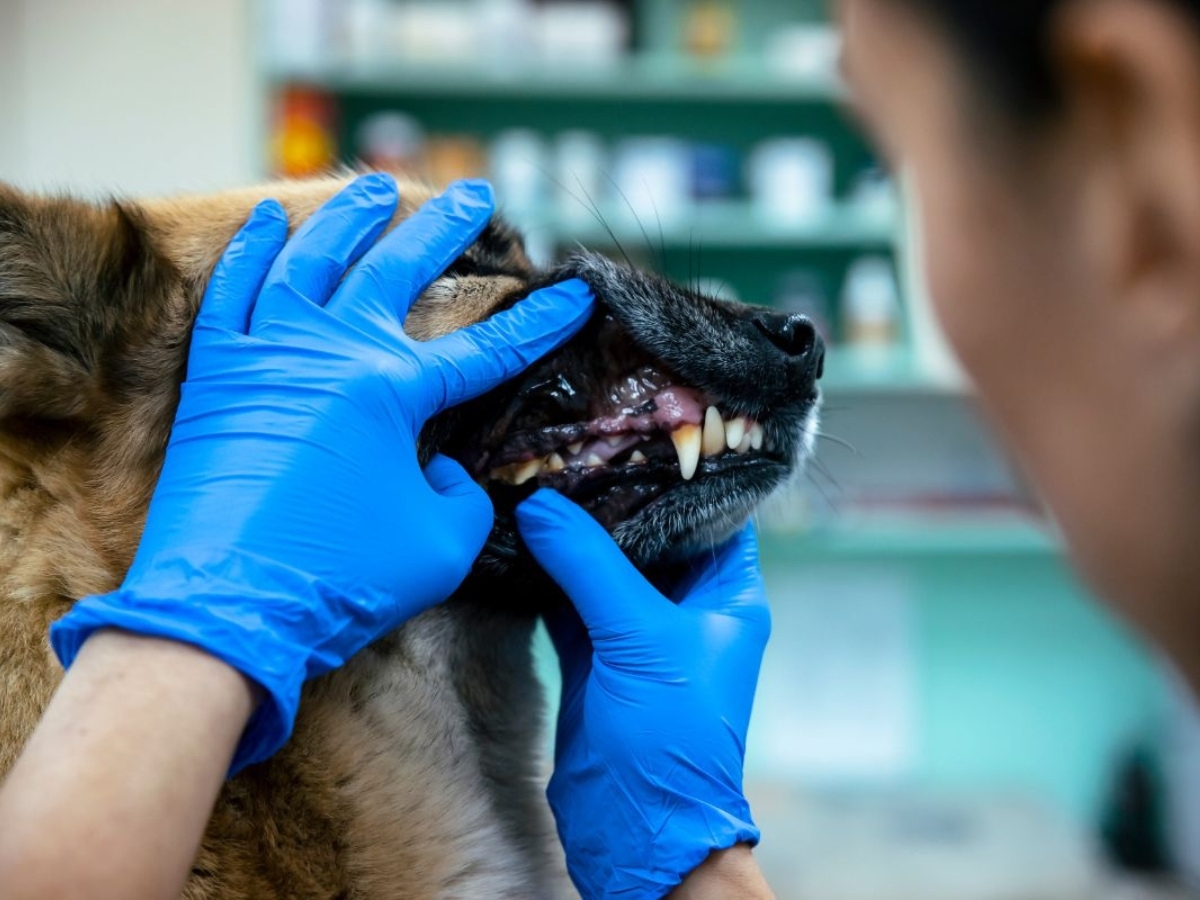
Routine dental cleanings give your veterinarian the opportunity to assess your pet’s teeth and gums for any potential issues that might not be immediately obvious. For example, dental cleanings provide the chance to detect early signs of dental disease, cavities, infections, and even oral tumors.
How It Helps: Regular cleanings allow your vet to identify problems early, giving you the opportunity to address them before they become serious. Catching oral health problems early makes treatment easier and more effective. It also reduces the risk of complications that could arise if the problem goes unnoticed for too long.
6. The Professional Dental Cleaning Process
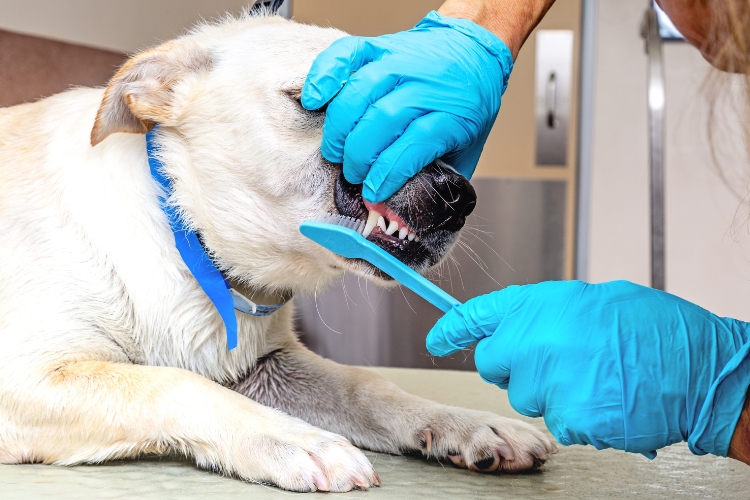
A professional dental cleaning involves much more than just brushing your pet’s teeth. During the procedure, your veterinarian will perform a thorough examination of your pet’s mouth, including their teeth and gums. They will use specialized tools to remove plaque and tartar buildup from your pet’s teeth, both above and below the gumline.
How It Helps: The cleaning process ensures that your pet’s teeth are thoroughly cleaned, which helps prevent future issues. After the cleaning, your veterinarian may polish your pet’s teeth to smooth the surfaces and prevent plaque from accumulating as quickly. Depending on your pet’s age and health, your veterinarian may recommend follow-up visits for additional cleanings or specific treatments.
7. Caring for Your Pet’s Teeth at Home
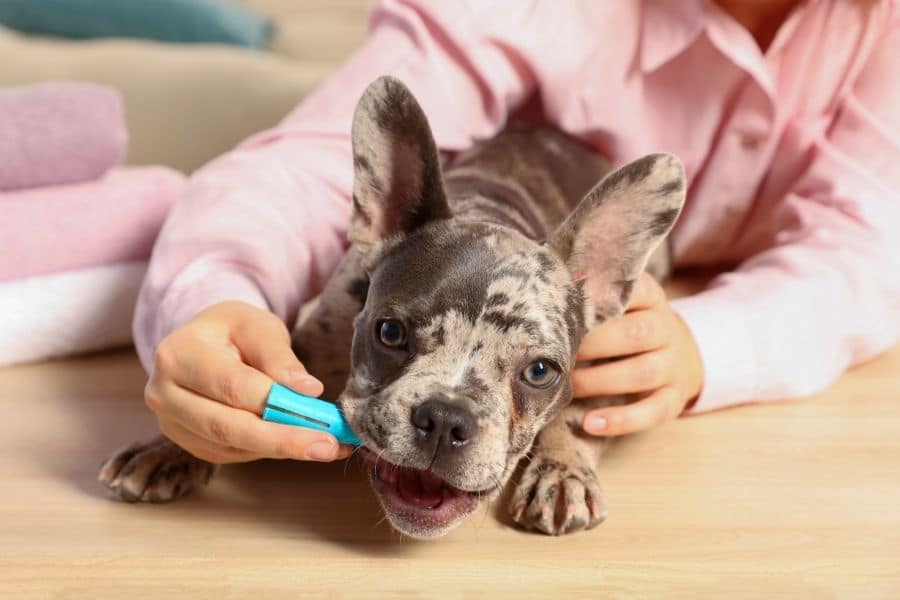
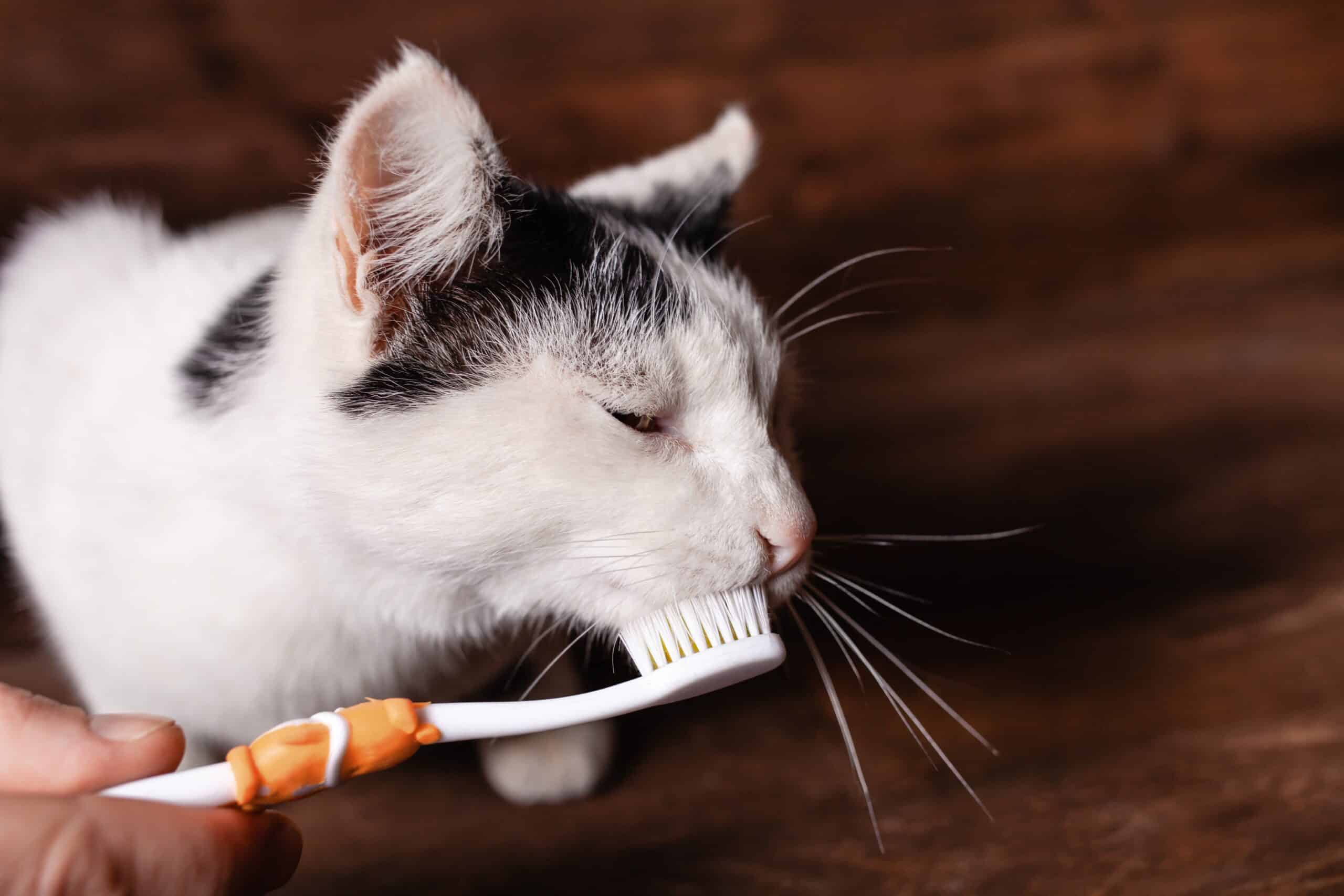
In addition to professional cleanings, it’s important to maintain your pet’s dental health at home. Brushing your pet’s teeth regularly is the most effective way to keep plaque and tartar from building up between professional cleanings.
How It Helps: Brushing your pet’s teeth helps remove food particles and bacteria that can cause plaque buildup. Use a pet-safe toothbrush and toothpaste, and brush your pet’s teeth at least a few times a week. You can also provide dental treats and toys to help promote healthy teeth and gums. Regular home dental care, combined with professional cleanings, ensures your pet’s oral health remains optimal.
Regular dental cleanings are a vital part of your pet’s health care routine. By preventing gum disease, reducing bad breath, and catching dental problems early, professional cleanings contribute to your pet’s overall health and comfort. Routine cleanings not only help with oral health but also protect your pet from more serious systemic health issues, improving their quality of life.
If you’re in Carrollton, TX, and need expert pet dental care, schedule an appointment with All Creatures Veterinary Center. Our veterinary team is dedicated to providing the best dental services to help your pet live a long, healthy life.
FAQs
Q1. How often should I have my pet’s teeth cleaned?
Ans. Most pets should have a professional dental cleaning once a year. Some pets, especially older ones, may require cleanings more frequently based on their dental health.
Q2. Can I clean my pet’s teeth at home?
Ans. Yes, brushing your pet’s teeth regularly helps maintain dental hygiene between professional cleanings. Your vet can recommend the best tools and techniques for home care.
Q3. What are the signs that my pet needs a dental cleaning?
Ans. Signs of dental issues include bad breath, swollen or bleeding gums, difficulty eating, and yellow or brown tartar buildup on the teeth.
Q4. Is professional dental cleaning safe for my pet?
Ans. Yes, professional dental cleanings are performed under anesthesia to ensure your pet is comfortable and pain-free during the procedure.
Q5. Can poor dental hygiene affect my pet’s overall health?
Ans. Yes, untreated dental disease can lead to serious health problems such as heart, liver, and kidney disease. Bacteria from oral infections can enter the bloodstream and affect other organs.
Q6. How can I prevent dental problems in my pet?
Ans. Regular brushing, dental chews, professional cleanings, and routine check-ups with your vet are the best ways to prevent dental disease and maintain oral health.