

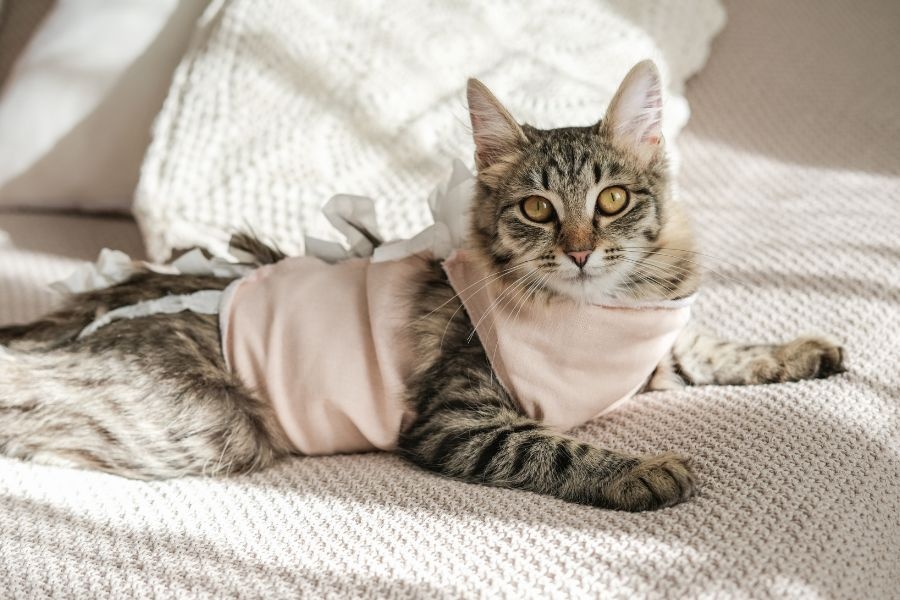
Cats are known for their independence and ability to hide discomfort. Unlike dogs, they often show subtle signs when something is wrong, making it difficult for pet owners to recognize ongoing health concerns. One condition that frequently goes unnoticed is chronic pain. Whether caused by arthritis, injury, or age-related changes, long-term discomfort can significantly affect a cat’s daily life. Understanding the impact of chronic pain is an important part of effective cat arthritis management and overall feline wellness.
Many cat owners assume that slowing down, sleeping more, or avoiding certain activities are normal signs of aging. While age can bring physical changes, chronic pain is not something cats should simply live with. For pet families in Carrollton, recognizing these signs early can help improve a cat’s comfort, mobility, and quality of life.
Understanding Chronic Pain in Cats
Chronic pain refers to discomfort that persists for weeks, months, or even years. Unlike acute pain that occurs suddenly after an injury, chronic pain develops gradually and often worsens over time.
Common causes of chronic pain in cats include:
- Arthritis and joint degeneration
- Previous injuries
- Dental disease
- Spinal conditions
- Neurological disorders
- Age-related musculoskeletal changes
Because cats instinctively hide weakness, they rarely vocalize pain in obvious ways. Instead, their behavior often changes subtly.
Why Cats Hide Pain
In the wild, showing signs of weakness could make an animal vulnerable. Domestic cats have retained many of these survival instincts.
As a result, cats experiencing discomfort may:
- Continue eating normally
- Avoid drawing attention to themselves
- Reduce activity gradually
- Withdraw from social interactions
- Change routines without obvious signs of illness
This natural behavior often delays diagnosis and treatment, allowing discomfort to persist longer than necessary.
Behavioral Changes That May Indicate Chronic Pain
One of the earliest indicators of discomfort is a change in behavior.
Reduced Activity Levels
Cats experiencing pain often become less active over time.
You may notice your cat:
- Sleeping more frequently
- Spending longer periods in one location
- Showing less interest in toys
- Avoiding climbing structures
- Reluctantly moving around the home
These changes are often mistakenly attributed to aging rather than an underlying medical issue.
Changes in Social Behavior
Pain can affect how a cat interacts with family members.
Some cats become:
- Less affectionate
- More withdrawn
- Irritable when touched
- Less interested in attention
Others may become unusually clingy as they seek comfort from their owners.
Grooming Differences
Cats are meticulous groomers, but chronic discomfort can interfere with grooming habits.
Signs may include:
- Matted fur
- Unkempt coat appearance
- Overgrooming specific areas
- Difficulty reaching certain body parts
Changes in coat condition are often among the first visible signs of ongoing pain.
Physical Signs of Chronic Pain
In addition to behavioral changes, physical symptoms may develop gradually.
Mobility Challenges
Difficulty moving is one of the most common signs associated with feline arthritis.
Affected cats may:
- Hesitate before jumping
- Use stairs less often
- Struggle to climb furniture
- Move stiffly after resting
- Land awkwardly after jumps
Monitoring mobility changes is a critical aspect of cat arthritis management.
Litter Box Difficulties
Cats experiencing joint discomfort may have trouble entering or exiting litter boxes with high sides.
Owners may notice:
- Accidents outside the box
- Reluctance to use certain litter boxes
- Difficulty squatting comfortably
These issues are sometimes mistaken for behavioral problems when pain is actually the underlying cause.
Changes in Posture
Cats living with chronic discomfort may alter how they sit, stand, or walk.
Common observations include:
- Hunched posture
- Stiff movements
- Uneven weight distribution
- Reluctance to stretch
Veterinary evaluation can help determine whether these changes are related to pain or other medical concerns.
How Chronic Pain Affects Overall Quality of Life
Pain influences much more than mobility. It can affect nearly every aspect of a cat’s physical and emotional well-being.
Reduced Physical Activity
When movement becomes uncomfortable, cats naturally become less active. Over time, inactivity can contribute to:
- Muscle loss
- Weight gain
- Reduced flexibility
- Increased joint stress
This creates a cycle where discomfort leads to inactivity, which can worsen existing conditions.
Emotional Well-Being
Cats experiencing chronic pain may feel stressed or frustrated because they can no longer participate in normal activities.
Simple behaviors such as:
- Jumping onto favorite furniture
- Exploring elevated spaces
- Playing with toys
- Interacting with family members
may become more difficult, affecting overall happiness and engagement.
Long-Term Health Consequences
Untreated chronic pain can influence a cat’s overall health by reducing activity levels, altering eating habits, and contributing to secondary physical issues.
Addressing discomfort early helps maintain better physical function and supports a healthier lifestyle throughout the cat’s senior years.
The Importance of Veterinary Evaluation
Because chronic pain develops gradually, routine veterinary visits are essential.
Veterinarians evaluate:
- Joint mobility
- Range of motion
- Body condition
- Gait patterns
- Behavioral changes
Diagnostic testing may also be recommended to identify underlying causes of discomfort and guide treatment decisions.
Cat Arthritis Management Strategies
Successful cat arthritis management typically involves a combination of approaches tailored to the individual pet.
A comprehensive plan may include:
- Weight management support
- Environmental modifications
- Therapeutic exercise recommendations
- Joint-supportive nutrition
- Veterinary-guided pain management options
The goal is to improve comfort while helping cats remain active and engaged.
Creating a More Comfortable Home Environment
Simple household adjustments can make a meaningful difference for cats experiencing chronic pain.
Helpful modifications include:
- Soft bedding in accessible locations
- Low-entry litter boxes
- Pet stairs or ramps
- Food and water stations placed on one level
- Easy access to favorite resting spots
These changes help reduce physical strain and encourage normal daily activities.
Why Early Recognition Matters
The sooner chronic pain is identified, the more opportunities there are to improve a cat’s comfort and mobility. Many owners are surprised to discover how much their cat’s behavior improves once discomfort is addressed.
For pet owners in Carrollton, understanding the subtle signs of chronic pain can help ensure cats receive appropriate care before mobility and quality of life are significantly affected.
If you are from Carrollton and looking for guidance on cat arthritis management, scheduling a professional evaluation can help identify underlying causes of discomfort and create a personalized care plan for your feline companion.
Schedule an Online Appointment Today
At All Creatures Veterinary Center, our team is dedicated to helping cats live healthier and more comfortable lives through comprehensive examinations, diagnostic evaluations, and personalized treatment recommendations. Schedule an online appointment today to learn how proactive care can support your cat’s long-term well-being.
FAQs
Q1. How can I tell if my cat is experiencing chronic pain?
Cats often hide discomfort, making pain difficult to detect. Changes in activity levels, reluctance to jump, altered grooming habits, withdrawal from family interactions, and litter box challenges can all indicate ongoing discomfort that should be evaluated by a veterinarian.
Q2. Is arthritis common in older cats?
Yes. Arthritis is one of the most common age-related conditions affecting senior cats. Many cats develop joint degeneration as they age, although symptoms can be subtle and may go unnoticed without routine veterinary examinations.
Q3. Can chronic pain affect my cat’s behavior?
Absolutely. Chronic pain can cause cats to become less social, more irritable, or less interested in activities they once enjoyed. Behavioral changes are often among the earliest indicators that something may be affecting a cat’s comfort.
Q4. What role does weight play in managing feline arthritis?
Maintaining a healthy body weight helps reduce stress on joints and improves mobility. Excess weight can increase discomfort and accelerate joint wear, making weight management an important component of long-term arthritis care.
Q5. Should indoor cats be evaluated for arthritis?
Yes. Even indoor cats can develop arthritis and other painful conditions. Regular veterinary examinations help identify mobility issues early and allow for treatment plans that support long-term comfort and quality of life.