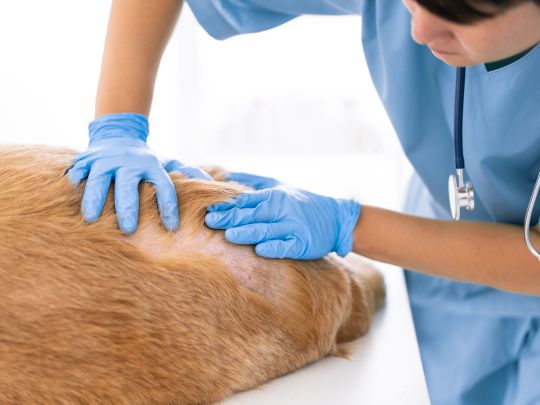


As dogs age, arthritis becomes one of the most common health concerns affecting their comfort and mobility. While arthritis is a year-round condition, many pet owners notice that their dogs seem stiffer, slower, or less active during certain seasons. Temperature fluctuations, humidity levels, and changing activity patterns can all influence joint health. Understanding how weather impacts arthritis can help pet owners make informed decisions about Dog Arthritis Management and improve their pet’s quality of life.
For dog owners in Carrollton, seasonal weather changes can bring unique challenges for pets living with arthritis. Recognizing these effects and working closely with your veterinary team can help keep your dog comfortable throughout the year.
Understanding Arthritis in Dogs
Arthritis is a progressive condition that causes inflammation within the joints. Over time, the protective cartilage that cushions the joints wears down, resulting in discomfort, stiffness, and reduced mobility.
Common signs of canine arthritis include:
- Difficulty standing up
- Limping or favoring a leg
- Reluctance to jump or climb stairs
- Slower walks
- Reduced interest in play
- Stiffness after resting
Although arthritis cannot be reversed, proactive care can help manage symptoms and support long-term mobility.
Why Weather Can Affect Arthritic Dogs
Many pet owners report noticeable changes in their dog’s behavior when the weather shifts. While every dog responds differently, environmental factors can influence how arthritis symptoms are experienced.
Temperature Changes
Cold temperatures often cause muscles and connective tissues to tighten, which may increase stiffness in dogs with arthritis. Dogs may move more slowly in cooler weather and require additional time to become comfortable during walks.
Warm temperatures generally improve flexibility and encourage movement, helping some dogs feel more comfortable throughout the day.
Changes in Atmospheric Pressure
Although research continues to explore the exact connection, many veterinarians believe that changes in barometric pressure may affect inflamed joints.
When pressure levels change before storms or weather fronts, dogs with arthritis may experience:
- Increased stiffness
- Temporary discomfort
- Reduced activity
- Changes in posture
These symptoms are often short-term but can become more noticeable during seasonal transitions.
Humidity Levels
High humidity can contribute to discomfort in some arthritic dogs. Excessive moisture in the air may make movement feel more difficult, particularly for senior pets already struggling with joint degeneration.
Monitoring your dog’s activity level during humid conditions can help identify patterns and determine when additional support may be needed.
Seasonal Challenges Throughout the Year
Winter Months
Winter is often the most challenging season for dogs with arthritis.
Cold weather can lead to:
- Increased joint stiffness
- Less outdoor activity
- Reduced flexibility
- Greater reluctance to exercise
Many dogs spend more time indoors during colder months, which can contribute to muscle loss and decreased joint support if activity levels drop significantly.
Spring Weather Fluctuations
Spring often brings rapid changes in temperature, rainfall, and atmospheric pressure. These shifting conditions may temporarily worsen arthritis symptoms in some dogs.
Spring is also a good time to reassess mobility and adjust activity routines after a less active winter season.
Summer Heat
While warmer weather can improve flexibility, excessive heat presents its own challenges.
During hot summer months:
- Dogs may become less active during the day
- Dehydration risks can increase
- Older dogs may tire more easily
Shorter walks during cooler morning or evening hours can help maintain mobility without exposing dogs to excessive heat.
Fall Seasonal Changes
Fall weather often provides comfortable temperatures for exercise, but fluctuating temperatures and approaching cold fronts may trigger occasional stiffness.
This season is an excellent opportunity to establish routines that prepare arthritic dogs for the colder months ahead.
Effective Dog Arthritis Management Throughout the Seasons
Maintain Consistent Exercise
Regular movement helps keep joints flexible and muscles strong.
Low-impact activities may include:
- Controlled leash walks
- Gentle play sessions
- Swimming when appropriate
- Range-of-motion exercises recommended by a veterinarian
Consistency is often more beneficial than intense activity performed infrequently.
Support a Healthy Weight
Excess body weight places additional stress on already compromised joints.
Weight management is one of the most effective ways to support joint health and reduce discomfort. Regular veterinary evaluations can help determine an ideal body condition for your dog.
Create a Comfortable Home Environment
Environmental adjustments can make a significant difference for arthritic pets.
Helpful modifications include:
- Soft bedding
- Non-slip flooring surfaces
- Ramps for furniture or vehicles
- Elevated food and water bowls
- Easy access to frequently used areas
These changes help reduce strain on joints and encourage independence.
Monitor Mobility Changes
Because arthritis progresses gradually, it is important to observe changes in movement and behavior throughout the year.
Watch for:
- Increased limping
- Difficulty rising
- Changes in walking patterns
- Reduced willingness to exercise
- Increased sleeping or resting
Early intervention often leads to more successful long-term management.
The Role of Veterinary Care in Arthritis Management
Routine veterinary evaluations are essential for monitoring arthritis progression and adjusting treatment plans as needed.
Veterinarians may recommend:
- Comprehensive physical examinations
- Joint assessments
- Diagnostic imaging
- Mobility evaluations
- Personalized treatment strategies
Every dog experiences arthritis differently, which is why individualized care plans are so important.
Pain Management Strategies
An effective arthritis care plan often includes multiple approaches designed to support comfort and function.
Potential recommendations may include:
- Therapeutic exercises
- Rehabilitation techniques
- Joint-supportive nutrition
- Environmental modifications
- Veterinary-approved pain management options
Regular monitoring ensures these strategies continue meeting a dog’s changing needs.
Why Early Intervention Matters
Many pet owners assume stiffness is simply a normal part of aging. While aging contributes to joint changes, persistent mobility issues should never be ignored.
Early detection allows veterinarians to:
- Slow functional decline
- Improve mobility
- Reduce discomfort
- Preserve quality of life
- Support long-term independence
The sooner arthritis is identified, the more opportunities there are to manage symptoms effectively.
Helping Your Dog Stay Active Year-Round
Seasonal weather changes are unavoidable, but their impact on arthritis can often be minimized through proactive care. Paying attention to environmental factors, maintaining healthy routines, and scheduling regular veterinary visits can help dogs remain active and comfortable regardless of the season.
For pet owners in Carrollton, understanding how weather influences arthritis symptoms can make a meaningful difference in their dog’s daily well-being and long-term mobility.
Schedule an Online Appointment Today
If you are from Carrollton and looking for support with dog arthritis management, the team at All Creatures Veterinary Center can help evaluate your pet’s mobility, monitor joint health, and develop a personalized care plan. Schedule an online appointment today to help your dog stay comfortable and active throughout every season.
FAQs
Q1. Can weather changes actually make arthritis worse in dogs?
Yes. Many dogs experience increased stiffness or discomfort during temperature shifts, cold weather, or changes in atmospheric pressure. While weather does not cause arthritis, it can influence how noticeable symptoms become and may temporarily affect mobility.
Q2. What is the most important part of managing arthritis in dogs?
Consistency is often the key factor. Regular exercise, weight management, veterinary monitoring, and a comfortable living environment all work together to support joint health and maintain mobility over time.
Q3. Are senior dogs more affected by seasonal arthritis changes?
Senior dogs often experience more noticeable seasonal effects because their joints may already have significant age-related wear. Cold temperatures and reduced activity can contribute to increased stiffness in older pets.
Q4. Should I reduce my dog’s exercise when arthritis symptoms increase?
Not necessarily. Complete inactivity can worsen stiffness and muscle loss. Instead, adjust exercise intensity and duration based on your veterinarian’s recommendations while maintaining regular movement whenever possible.
Q5. How often should dogs with arthritis have veterinary evaluations?
The frequency depends on the severity of symptoms and the dog’s overall health. Many veterinarians recommend regular wellness visits and periodic mobility assessments to ensure treatment plans remain effective.