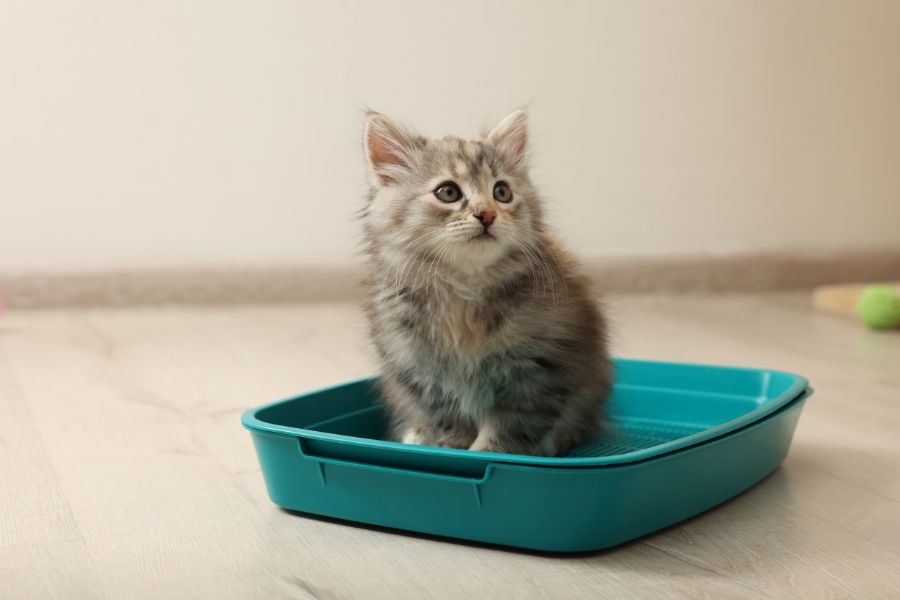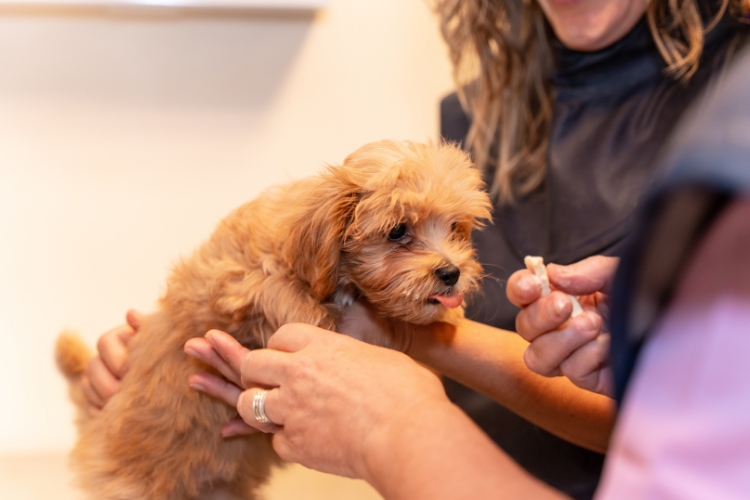


Welcoming a tiny, wiggly puppy into your home is an experience filled with boundless joy, playful tail wags, and endless cuddles. Those early weeks of puppyhood create memories that last a lifetime. However, alongside the excitement comes a very real learning curve for both you and your new furry family member. Between midnight bathroom trips, sharp little puppy teeth, and unexpected indoor messes, getting settled can feel a bit overwhelming.
Establishing solid foundations in early puppy care makes all the difference during these formative months. Among the first milestones every new owner faces, mastering household manners is often the highest priority. Learning how to house train a puppy fast while implementing positive crate training tips for puppies helps build confidence, security, and lifelong good habits. Here at All Creatures Veterinary Center in Carrollton, our team frequently guides local puppy parents through these early developmental stages. Let us explore a stress-free, positive approach to setting your puppy up for lifelong success.
Establishing a Reliable Puppy Potty Training Schedule
Consistency is the absolute secret ingredient when teaching your puppy where to eliminate. Puppies possess very small bladders and lightning-fast metabolisms, meaning they cannot hold their waste for long periods. Relying on an intuitive puppy potty training schedule eliminates guesswork and drastically reduces indoor accidents.
A successful routine revolves around taking your puppy outside frequently throughout the day. Always escort your puppy to the designated outdoor spot immediately after waking up from a nap, right after vigorous play sessions, and about fifteen to thirty minutes after eating or drinking. When you arrive at the spot, stand quietly and give your puppy a specific verbal cue, such as “go potty.” The moment they finish eliminating, lavish them with enthusiastic verbal praise and offer a high-value treat within seconds. Immediate rewards teach your puppy that outdoor elimination brings wonderful benefits.
Mastering Crate Training Through Positive Reinforcement
Many new owners feel hesitant about using a crate, worrying that it might feel restrictive or harsh. However, when introduced correctly, a crate acts as a safe, cozy den that aligns naturally with a canine’s instinctual denning behaviors. Utilizing positive crate training tips for puppies turns the crate into their favorite resting sanctuary.
Start by introducing the crate gradually during calm daytime hours. Leave the door wide open and toss favorite treats or interactive toys inside so your puppy can explore freely on their own terms. Feed meals near or just inside the crate to build positive emotional associations. Never use the crate as a form of punishment, as you want your puppy to view it as a secure, relaxing retreat. When used properly, a crate also aids tremendously with nighttime management, preventing wandering and accidental messes while everyone sleeps.
Managing Indoor Freedom and Preventing Accidents
During the early weeks of learning, your puppy should not have unsupervised run of the house. Every time an accident happens indoors, it reinforces a habit that becomes harder to break. Managing your puppy’s indoor environment is just as important as teaching them where to go outside.
Keep your puppy confined to the same room you are occupying, utilizing baby gates or keeping them on a indoor leash so you can monitor their body language closely. Watch for classic pre-potty indicators, such as sudden sniffing, circling, whining, or frantic pacing. If you spot these signs, immediately interrupt gently and carry your puppy outside to their designated spot. If an accident does occur inside, clean the area thoroughly with an enzymatic cleaner to eliminate lingering pheromones that attract dogs back to the exact same spot.
Navigating Nighttime Management and Sleep Routines
Nights can test the patience of even the most dedicated pet parents. Young puppies cannot comfortably sleep through an entire eight-hour night without needing a bathroom break. Setting up a realistic nighttime routine ensures better rest for the entire household.
Place the crate in your bedroom or a quiet hallway where your puppy can hear your breathing and feel secure. Before bedtime, take your puppy out for a final, calm elimination trip, keeping playtime to a minimum so they understand it is time for sleep. If your puppy wakes up and whimpers in the middle of the night, take them outside on a direct, no-nonsense bathroom trip, then immediately return them to the crate without engaging in interactive play. With each passing week, your puppy’s bladder capacity will grow, allowing for longer stretches of uninterrupted sleep.
Partnering with Your Local Carrollton Animal Care Team
Raising a puppy is an incredible journey, and you do not have to navigate it all alone. Having a reliable veterinary partner by your side ensures your puppy receives proper guidance regarding behavioral development, nutrition, and wellness milestones as they grow.
Our team at All Creatures Veterinary Center is proud to support pet families throughout the Carrollton community. Whether you need expert advice on behavioral milestones, nutritional planning, or general puppy care, our experienced professionals are here to help. Reach out to our Carrollton clinic today to schedule your puppy’s next wellness visit and start your journey on the right paw.
FAQ
Q1. How long does it typically take to successfully house-train a young puppy?
Ans: While every puppy develops at their own unique pace, consistent adherence to a structured routine usually leads to reliable house-training within a few weeks to a few months.
Q2. Should I ever scold or punish my puppy if I discover an indoor accident after the fact?
Ans: No, puppies cannot connect discipline to an action performed even a minute earlier, so scolding only teaches them to fear you rather than stopping future accidents.
Q3. How can I make my puppy feel comfortable staying inside their crate without crying?
Ans: You can build comfort by introducing the crate slowly with treats and toys, keeping sessions short initially, and ensuring they have exercised and eliminated beforehand.
Q4. What is the best way to clean up indoor puppy accidents to prevent repeat offenses?
Ans: You should always use a specialized enzymatic pet cleaner that breaks down uric acid crystals completely, removing odors that regular household cleaners leave behind.
Q5. Why is nighttime crate placement important for young puppies adjusting to a new home?
Ans: Placing the crate close to where you sleep helps reduce anxiety, allows you to hear when they need a midnight bathroom break, and helps them feel secure in their new environment.