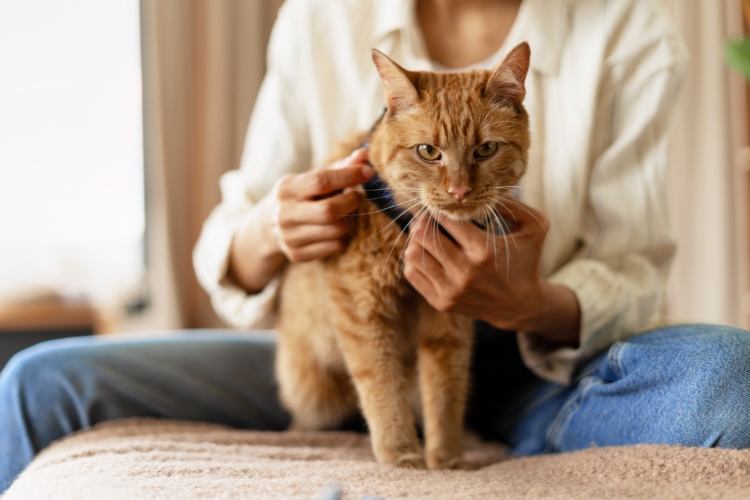


As your pet enters their senior years, it can be a bittersweet time for you as a pet owner. Watching them age, slow down, and face new health challenges can be tough. However, with the right care and attention, your senior pet can continue to live a comfortable, happy, and fulfilling life. Senior pets often have different needs than younger pets, but with a few adjustments to their routine, you can make their golden years just as enjoyable as their younger days.
This blog is especially for pet owners in Carrollton, TX, who want to ensure that their aging pets live their best lives. If you’ve been searching for ‘senior pet care near me‘, understanding your pet’s changing needs is the first step toward supporting their health and comfort. Whether your pet is entering their senior years or you’ve already noticed signs of aging, this guide will provide you with practical tips for senior pet care. From health management to lifestyle changes, these tips will help you keep your pet comfortable and active well into their golden years.
By the end of this blog, you’ll be equipped with the knowledge to help your senior pet stay healthy and happy for years to come. Let’s explore how you can provide the best care possible for your beloved companion.
Exploring the Need for Routine Care for Senior Pets
Senior pets face a variety of age-related challenges, including health conditions such as arthritis, dental disease, and vision or hearing loss. They may also go through changes in behavior or energy levels. Understanding these needs is crucial in providing the right care and ensuring they continue to thrive in their later years.
As pets age, their bodies go through natural changes that can affect their mobility, appetite, and overall health, which is why regular veterinary visits and proactive health care become more important than ever. By recognizing the signs of aging early, you can address potential issues before they become serious problems.
Senior pets are more vulnerable to conditions like obesity, joint pain, and kidney disease. However, with the right care and attention, these conditions can often be managed effectively, allowing your pet to continue living an active and comfortable life.
Senior Pet Care Tips: Keeping Them on Top of Their Health
Caring for a senior pet requires a bit more attention and preparation, but it’s incredibly rewarding. Here are some key tips for making sure your pet stays healthy, happy, and comfortable in their later years:
1. Regular Veterinary Checkups
As your pet ages, their health needs become more complex. Regular veterinary visits are crucial to catch potential health issues early. Senior pets should see the vet more frequently than younger pets, typically every six months. These checkups allow the veterinarian to monitor your pet’s health, conduct necessary tests, and address any changes in their condition.
During these visits, the vet will likely check for signs of arthritis, dental disease, heart problems, and more. Keeping up with these appointments ensures that any health concerns are managed proactively, helping your pet live a longer, more comfortable life.
2. Tailored Diet for Senior Pets
As pets age, their nutritional needs change. Senior pets may require fewer calories but more nutrient-dense food to maintain their weight and overall health. Look for high-quality senior pet food that’s specifically formulated to address the needs of older animals, including joint health, digestive support, and weight management.
Consult the veterinarian to determine the best diet for your senior pet based on their breed, size, and health status. Regularly monitoring your pet’s weight and adjusting their food intake as needed will help prevent obesity, a common issue in senior pets.
3. Exercise and Mental Stimulation
While senior pets may not have the same energy levels as they did in their youth, exercise and mental stimulation are still essential for their well-being. Low-impact activities like short walks, swimming, or gentle play can help maintain their mobility and muscle strength. Be mindful not to overexert them, but keep them moving to prevent stiffness and maintain joint health.
Mental stimulation is just as important. Engage your senior pet with puzzle toys, training sessions, or new scents during walks to keep their mind sharp. Regular mental exercise helps reduce the risk of cognitive dysfunction syndrome (similar to dementia in humans), which is common in senior pets.
4. Provide Comfort for Joint Health
Many senior pets develop joint pain and stiffness due to arthritis or other musculoskeletal issues. To keep them comfortable, consider providing supportive bedding, such as orthopedic pet beds, to reduce pressure on their joints. You can also add ramps or stairs to help them access favorite spots, like your bed or the car, without straining.
In addition to comfortable bedding, supplements like glucosamine and chondroitin can help support joint health. These supplements help reduce inflammation and improve mobility in pets with arthritis. Consult the veterinarian before adding any new supplements to your pet’s routine.
5. Dental Care for Senior Pets
Dental health is one of the most overlooked aspects of senior pet care. As pets age, they are more likely to suffer from dental disease, which can lead to tooth loss, gum infections, and even systemic health problems like heart disease. Regular dental cleanings and at-home oral care can help prevent these issues.
If you notice your pet is having difficulty chewing, has bad breath, or seems to be in pain when eating, it’s time to schedule a dental checkup with the vet. Regular dental care will help ensure that your pet’s teeth and gums stay healthy throughout their senior years.
6. Monitor Their Weight
Obesity is a significant health risk for senior pets. It can lead to joint issues, diabetes, and heart disease, among other complications. Keeping your senior pet at a healthy weight is essential for their well-being. Ensure that their diet is appropriate for their age and activity level, and avoid overfeeding them with treats.
Weigh your pet regularly and consult the veterinarian if you notice significant weight changes. If your pet is overweight, the vet can help you develop a safe weight-loss plan that includes dietary adjustments and appropriate exercise.
Addressing Specific Senior Pet Health Issues
As pets age, they become more susceptible to certain health problems. Here are a few common issues senior pets face and how to address them:
1. Arthritis and Joint Pain
Arthritis is one of the most common health conditions in senior pets. It can cause pain, stiffness, and difficulty moving, especially after periods of rest. In addition to exercise and joint supplements, the vet may recommend medications or therapies such as laser therapy or acupuncture to help manage arthritis symptoms.
2. Kidney Disease
Kidney disease is another common issue in senior pets, especially in cats and large dogs. Symptoms include increased thirst, frequent urination, and weight loss. Regular veterinary checkups and blood tests are essential for detecting kidney problems early. If your pet is diagnosed with kidney disease, the veterinarian may recommend a special diet, medication, and fluid therapy to manage the condition.
3. Cognitive Dysfunction Syndrome (CDS)
CDS, or pet dementia, affects many older pets. Signs include confusion, disorientation, disrupted sleep patterns, and changes in behavior. Mental stimulation, proper nutrition, and medications can help manage CDS. If you notice changes in your pet’s behavior, consult the vet for guidance on managing cognitive decline.
The Impact of Regular Care on Your Senior Pet’s Longevity
By staying on top of your pet’s health, including diet, exercise, and routine veterinary visits, you can help ensure they have a longer, healthier life. Senior pets that receive consistent care are more likely to enjoy their golden years with minimal discomfort and improved quality of life.
Failing to address age-related health issues can lead to a decline in your pet’s mobility, comfort, and overall happiness. Early detection and treatment of conditions like arthritis, kidney disease, and cognitive dysfunction can prevent them from becoming more serious and allow for a more manageable recovery.
Enjoying Your Senior Pet’s Golden Years
With the right care, your senior pet can continue to enjoy life to the fullest. Regular veterinary visits, a healthy diet, appropriate exercise, and comfort-focused adjustments can all contribute to your pet’s well-being in their later years. By paying attention to their changing needs, you can help them live a long, happy, and healthy life.
If you’re in Carrollton and searching for senior pet care near you, book an appointment with All Creatures Veterinary Center. Our team of veterinarians is dedicated to providing comprehensive care to ensure your pet’s golden years are the best they can be. Contact us today to discuss how we can help your pet stay healthy and happy throughout their golden years.
FAQs
1. What are the signs that my senior pet may have arthritis?
Signs include limping, stiffness, difficulty getting up, reluctance to move, and behavioral changes. If you notice these signs, it’s important to consult the veterinarian.
2. How can I help my senior pet with joint pain?
Providing comfortable bedding, adding joint supplements, and maintaining a regular exercise routine can help ease joint pain. Consult the vet for additional treatment options.
3. At what age should I start senior pet care for my dog or cat?
Most pets are considered senior around 7 years old. However, some breeds may show signs of aging earlier. Regular veterinary checkups are essential from this age onward.
4. Can cognitive dysfunction syndrome be treated in senior pets?
While there’s no cure for CDS, treatments like medication, dietary changes, and mental stimulation can help manage symptoms and improve your pet’s quality of life.
5. How can I prevent obesity in my senior pet?
Monitor your pet’s weight regularly, adjust their diet for age and activity level, and avoid overfeeding treats. The vet can provide guidance on maintaining a healthy weight.
6. What kind of diet is best for senior pets?
Senior pets require nutrient-dense food that supports joint health, digestion, and overall well-being. The vet can recommend the best diet for your pet’s age, breed, and health condition.