
As your cat ages, you may start to notice some changes in their behavior, appearance, or activity level. While this is a natural part of the aging process, it doesn’t mean that your senior cat can’t continue to live a full and happy life. With a little extra attention and care, you can ensure that your senior feline companion enjoys their golden years in the best possible health and happiness.
Senior cats, typically defined as those over the age of 7, often need a bit more care and attention compared to their younger counterparts. From diet changes to regular vet visits, this guide will explore simple and effective ways to improve your senior cat’s health and happiness. Whether you’re dealing with mobility issues, weight concerns, or just want to keep your senior cat comfortable and content, we’ve got you covered.
At All Creatures Veterinary Center, we understand the unique needs of senior cats and are dedicated to helping them live long, healthy lives. This blog is especially for Carrollton residents who are looking for ways to care for their senior cats.
1. Provide a Proper Diet for Senior Cats
Just as with people, diet plays a crucial role in your senior cat’s health. As cats age, their nutritional needs change. Older cats may have different requirements than younger ones, and it’s essential to feed them food that supports their health.
Choose High-Quality Senior Cat Food
Senior cat food is specially formulated to provide the right balance of nutrients for aging cats. These foods typically contain higher levels of protein to help maintain muscle mass and lower levels of fat to prevent obesity. Additionally, senior cat food often includes joint-supporting ingredients like glucosamine and chondroitin to aid in mobility.
Monitor Your Cat’s Weight
Obesity is a common concern in senior cats, as they are less active than younger cats. Overweight cats are more prone to arthritis, diabetes, and heart disease. Make sure to measure your cat’s food portions and avoid overfeeding. If your cat is overweight, consult your veterinarian about a weight management plan.
Provide Fresh Water
As cats age, they may become less interested in drinking water. Dehydration can lead to kidney problems and other health issues, so make sure your senior cat has access to fresh water at all times. Consider investing in a water fountain, as some cats prefer running water, which encourages them to drink more.
2. Encourage Regular Exercise
Exercise is vital for maintaining your senior cat’s physical health. While older cats may not be as active as they once were, regular activity can help prevent obesity, improve joint flexibility, and keep their muscles strong.
Interactive Playtime
Play with your cat using toys that encourage movement. Wand toys, laser pointers, and balls are great for engaging your senior cat. Aim for short but frequent play sessions, as older cats may tire more quickly. Keeping your cat active can also provide them with mental stimulation, which is essential for preventing cognitive decline.
Create an Enriching Environment
Ensure your home provides a stimulating environment for your senior cat. Scratching posts, climbing trees, and cozy spots for napping can help keep your cat active and engaged. Place toys and scratching surfaces around your home so your cat can interact with them throughout the day.
Maintain Mobility
If your senior cat has arthritis or other mobility issues, consider providing ramps or stairs to help them reach their favorite spots. Soft bedding in low-lying areas can also help your cat sleep more comfortably.
3. Keep Up with Grooming
As cats age, they may have a harder time grooming themselves. Senior cats, especially those with long fur, can benefit from regular grooming to prevent matting and hairballs.
Brush Regularly
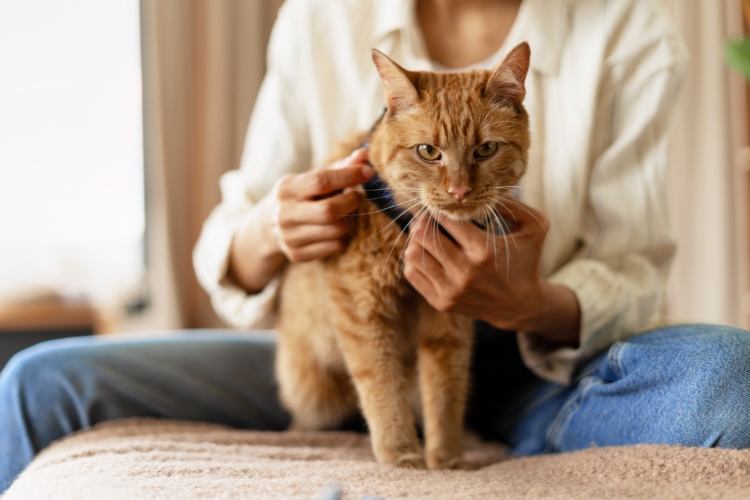
Brushing your senior cat’s fur not only keeps them clean but also helps stimulate circulation and reduce shedding. Make sure to choose a brush that’s appropriate for your cat’s coat type. For long-haired cats, daily brushing may be necessary to prevent tangles.
Check for Skin Issues
Older cats are more prone to skin conditions such as dry skin, flea infestations, and tumors. Regular grooming gives you the opportunity to check your cat’s skin for any changes. If you notice any unusual lumps, bumps, or irritations, make an appointment with your veterinarian.
Clean Their Ears
Older cats are more susceptible to ear infections, so it’s important to check their ears regularly. Clean your cat’s ears with a damp cloth or a cat-safe ear cleaner. If you notice any discharge, redness, or foul odor, consult your vet.
4. Monitor Your Cat’s Health with Regular Vet Visits
Regular veterinary visits are essential for keeping your senior cat healthy. As cats age, they become more susceptible to a variety of health issues, such as kidney disease, dental problems, and arthritis. Regular check-ups will help detect and address any health concerns early.
Annual or Biannual Check-Ups
Even if your senior cat seems healthy, schedule regular vet visits at least once or twice a year. These visits are crucial for early detection of health problems and for keeping your cat up-to-date on vaccinations and parasite prevention.
Dental Care
Dental health is especially important for senior cats, as they are prone to dental disease, which can lead to tooth loss and other complications. Brushing your cat’s teeth regularly and scheduling professional cleanings with your vet can help maintain their oral health.
Blood Tests and Screenings
As your cat ages, routine blood tests and screenings can help detect underlying conditions such as kidney disease or diabetes. These tests provide valuable information that allows your vet to develop a treatment plan if necessary.
5. Provide Comfort and Reduce Stress
As cats age, they may become more sensitive to changes in their environment. Stress can negatively impact your senior cat’s health, so it’s important to create a calm and comfortable living space.
Create a Quiet Space
Senior cats may need more rest than they did when they were younger. Provide them with a quiet space where they can retreat and sleep undisturbed. This area should be free from loud noises, other pets, or young children.
Reduce Stress
Try to keep your cat’s routine as consistent as possible. Avoid making sudden changes to their environment, such as moving furniture or introducing new pets. If your cat is prone to anxiety, consider using feline pheromone diffusers or sprays to create a calming atmosphere.
Offer Soft Bedding
As cats age, they may develop joint pain or stiffness. Provide them with soft, orthopedic bedding that supports their joints. A comfortable bed will help them rest better and reduce the impact of arthritis or other health issues.
Caring for a senior cat requires a little extra attention, but it’s incredibly rewarding. By providing a proper diet, encouraging regular exercise, grooming regularly, and keeping up with veterinary visits, you can improve your senior cat’s health and happiness in their later years. At All Creatures Veterinary Center, we are committed to helping your senior cat live a long, healthy, and comfortable life.
If you’re in Carrollton, TX, and looking for senior cat care near you, schedule an appointment with All Creatures Veterinary Center. Our veterinary team is dedicated to providing the best possible care for your senior cat’s health and happiness.
FAQs
Q1. How often should I take my senior cat to the vet?
Ans. It’s recommended to take your senior cat to the vet at least once or twice a year for check-ups, blood work, and screenings to monitor their health.
Q2. What should I feed my senior cat?
Ans. Senior cats require a diet formulated to support their aging bodies. Look for food with high protein, low fat, and added nutrients like glucosamine for joint health.
Q3. How can I tell if my senior cat is in pain?
Ans. Watch for signs like limping, difficulty jumping, changes in grooming habits, or increased irritability. If you notice these signs, consult your vet.
Q4. Can I help my senior cat lose weight?
Ans. Yes, senior cats are prone to obesity. Consult your vet for a weight management plan, including portion control and appropriate exercise.
Q5. How can I keep my senior cat mentally stimulated?
Ans. Provide interactive toys, puzzle feeders, and regular playtime. Mental stimulation is important for preventing cognitive decline in older cats.
Q6. What should I do if my senior cat stops eating?
Ans. A loss of appetite can be a sign of illness in senior cats. If your cat refuses to eat for more than 24 hours, schedule a vet appointment immediately.