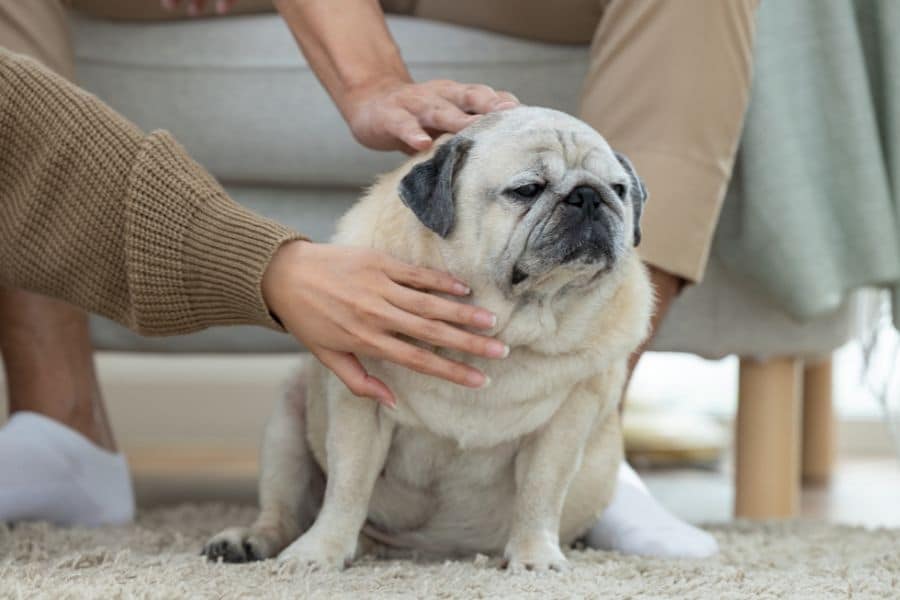

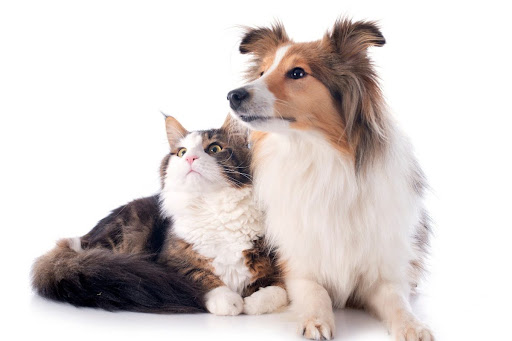
Where a pet spends most of its time can influence many aspects of its health. An indoor cat may have different daily risks from a cat that regularly explores the outdoors. Likewise, a dog that spends most of its day inside may need a different wellness approach from a dog that frequently visits parks, trails, yards, or other outdoor spaces.
Lifestyle does not determine a pet’s health on its own, but it gives veterinarians valuable information when developing a preventive care plan. Activity level, exposure to different environments, social habits, diet, weight, and daily routines can all influence a pet’s ongoing needs.
At All Creatures Veterinary Center in Carrollton, understanding how a pet lives can help shape individualized pet preventive care. Whether your companion is primarily indoors, outdoors, or somewhere in between, regular wellness planning can help address changing health needs.
Indoor Pets Still Need Preventive Attention
Indoor living can reduce exposure to certain environmental challenges, but it does not eliminate the need for regular veterinary care. Dogs and cats that spend most of their time inside can still experience weight changes, dental concerns, skin problems, digestive issues, mobility changes, and other health conditions.
Indoor cats, in particular, may have lower activity levels than cats that explore outside. Limited movement combined with unrestricted food access can contribute to excess weight. Providing appropriate play opportunities, climbing areas, interactive activities, and a suitable feeding routine can support a healthier lifestyle.
Indoor dogs also benefit from regular physical and mental activity. Short walks, play sessions, training activities, and opportunities to explore new environments can help support their overall well-being.
Outdoor Dogs Have Different Daily Exposures
Dogs that spend substantial time outdoors encounter a wider range of environmental conditions. Grass, soil, standing water, wooded areas, other animals, and changing weather can all become part of their normal routine.
Outdoor activity can be beneficial because dogs need opportunities to exercise and explore. However, their preventive care plan should take their environment into account.
A dog that frequently visits parks or hiking areas may have different considerations from a dog that spends most of its outdoor time in a private yard. The veterinarian can discuss environmental factors based on where the dog spends time and how often it encounters unfamiliar surroundings.
Outdoor Cats May Need Additional Consideration
Cats that regularly go outside experience a different lifestyle from cats that remain indoors. Outdoor exploration may involve climbing, hiding, hunting behaviors, encounters with other animals, and exposure to unfamiliar environments.
Because these cats have more varied surroundings, owners should pay close attention to changes in behavior, appetite, grooming, activity, and appearance. Small injuries or changes in body condition can sometimes be difficult to notice beneath a cat’s coat.
Regular wellness appointments provide an opportunity to discuss the cat’s outdoor routine and identify areas that may deserve additional attention.
Activity Level Can Influence Weight Management
Lifestyle and activity are closely connected to body condition. A highly active dog may use significantly more energy each day than a companion that spends most of its time resting indoors.
Cats can also have substantial differences in activity. One indoor cat may spend hours climbing and playing, while another may prefer sleeping in a favorite spot.
Nutrition should therefore be considered alongside lifestyle. Feeding portions, treats, exercise, and activity should work together rather than being treated as separate issues.
During wellness visits, veterinarians can evaluate body condition and discuss practical ways to support a healthy weight. Adjustments may be useful when a pet’s activity level changes.
Skin and Coat Care Can Depend on Environment
A pet’s environment can also influence its skin and coat. Dogs that regularly spend time outdoors may encounter dirt, moisture, plants, or other environmental materials that affect grooming needs.
Cats that explore outside may also return with changes in their coat or skin that owners should monitor. Indoor pets can experience their own skin concerns, including dryness, excessive grooming, or changes in coat quality.
Regular observation at home is important. Look for unusual scratching, licking, hair loss, skin changes, or changes in grooming behavior. Bringing these observations to a veterinarian can help determine whether further evaluation is appropriate.
Nutrition Should Match the Pet’s Routine
There is no single feeding approach that works for every pet. Nutritional needs can vary according to age, body condition, activity level, health status, and lifestyle.
An active outdoor dog may have different energy requirements from a less active indoor companion. Similarly, an indoor cat with limited exercise may need careful portion management to help maintain an appropriate body condition.
Treats should also be considered when evaluating a pet’s overall daily intake. During pet wellness care appointments, owners can discuss feeding habits and whether changes may be appropriate as the pet’s lifestyle evolves.
Lifestyle Changes Can Change Preventive Care
A pet’s lifestyle is not necessarily permanent. A family may move from a house with a yard to an apartment. A dog may become more active after joining its owner on regular walks. A cat that previously stayed indoors may begin spending supervised time outside.
These changes can affect the way preventive care is approached.
When your pet’s daily routine changes, tell your veterinarian. A lifestyle update can provide useful context during the next wellness appointment and may lead to recommendations related to activity, weight management, skin and coat observation, nutrition, or environmental exposure.
Preventive Care Is More Than Routine Visits
Pet preventive care involves more than bringing your pet to the clinic at regular intervals. It also includes paying attention to changes between appointments.
Owners can monitor appetite, water consumption, activity, body condition, bathroom habits, grooming, sleep, and behavior. Keeping track of what is normal for your pet makes it easier to recognize changes.
Dental health, weight management, nutrition, behavioral changes, and age related concerns can all be part of a broader wellness conversation.
A consistent home routine combined with professional veterinary oversight gives owners more opportunities to notice potential concerns early.
Dogs and Cats Need Individualized Wellness Plans
Two pets living in the same home can still have very different preventive care needs. An older indoor cat and a young outdoor dog, for example, have different activity levels, environmental exposures, and health considerations.
Even pets of the same species may require different approaches. Breed characteristics, age, body condition, medical history, temperament, and lifestyle can all influence veterinary recommendations.
This is why pet wellness care should be personalized. The goal is to understand how a pet lives and use that information when discussing appropriate ongoing care.
Creating a Lifestyle Based Care Routine in Carrollton
For pet owners in Carrollton, choosing a veterinary practice that takes lifestyle into account can make wellness planning more meaningful. All Creatures Veterinary Center can help owners discuss how their dog’s or cat’s daily environment may influence preventive care.
Whether your companion spends nearly all of its time indoors, enjoys frequent outdoor adventures, or follows a combination of both routines, sharing accurate lifestyle information gives the veterinarian a better understanding of your pet.
A thoughtful approach to pet preventive care considers what happens not only inside the clinic, but also throughout the pet’s everyday life.
Schedule Your Pet’s Wellness Appointment
If your dog’s or cat’s lifestyle has changed or you want to review whether its current wellness routine still fits its daily needs, contact All Creatures Veterinary Center in Carrollton. Schedule an online appointment or booking to discuss your pet’s activity, environment, nutrition, and overall health.
Regular pet wellness care can help you stay informed about your companion’s changing needs and support a healthier routine throughout different stages of life.
Frequently Asked Questions
Q1. Do indoor dogs and cats still need regular preventive care?
Ans: Yes. Indoor pets can still experience weight changes, dental concerns, skin issues, digestive problems, and other health conditions. Regular veterinary visits help monitor their overall health and changing needs.
Q2. How does outdoor activity affect a dog’s preventive care plan?
Ans: Outdoor activity can increase exposure to different environments, other animals, soil, plants, water, and changing weather. Veterinarians can consider these factors when discussing an individualized preventive care routine.
Q3. Can an indoor lifestyle contribute to weight gain in pets?
Ans: It can, particularly when activity is limited and food portions or treats exceed the pet’s energy needs. Regular exercise, appropriate portions, and body condition monitoring can support healthy weight management.
Q4. Should I tell my veterinarian if my pet’s lifestyle changes?
Ans: Yes. Changes such as increased outdoor activity, moving to a new home, reduced exercise, or a new daily routine can provide useful information when reviewing your pet’s wellness needs.
Q5. Is pet wellness care different for every dog or cat?
Ans: Yes. Age, lifestyle, activity level, body condition, medical history, environment, and other individual factors can influence a pet’s wellness needs. A veterinarian can help develop an approach suited to the individual animal.
Related Articles