
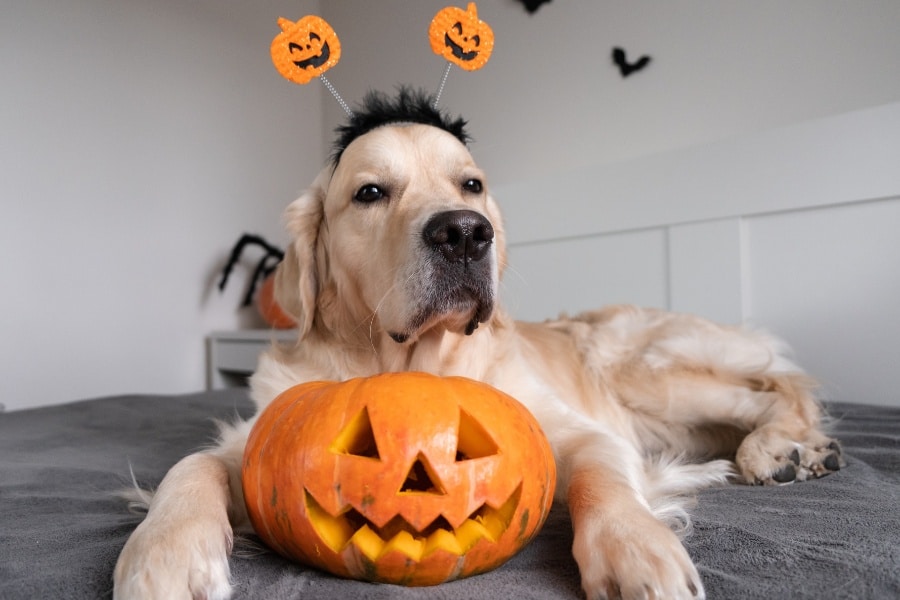
Halloween parties bring families and friends together for festive decorations, sweet treats, themed snacks, and plenty of memorable moments. While these celebrations can be exciting for people, the food left behind after a party may pose unexpected risks to dogs and cats. An unattended plate, an open trash bin, or a dropped piece of dessert can quickly become an opportunity for a curious pet.
Keeping pets safe during Halloween involves more than putting candy out of reach. Party leftovers can contain chocolate, raisins, certain artificial sweeteners, cooked bones, fatty foods, and ingredients that may upset a pet’s digestive system. Food wrappers and disposable plates can also create choking or intestinal blockage risks.
For pet owners in Carrollton, a few simple precautions can make Halloween gatherings safer for every member of the household. Understanding which leftovers to avoid, how to manage party cleanup, and when to contact a local veterinarian can help protect your pet throughout the festivities.
Why Halloween Party Leftovers Can Be Dangerous for Pets
Dogs and cats often investigate food through their sense of smell. The lingering aroma of a dessert or savory snack may encourage a pet to explore a table, search through a trash bin, or eat something that has fallen onto the floor.
Unfortunately, human food is not always suitable for animals. Some ingredients can be toxic, while others may cause digestive problems or physical injuries. The risk depends on the food involved, the quantity consumed, and the pet’s size and health.
Halloween gatherings can make these risks harder to manage because guests may leave plates unattended, children may drop snacks, and hosts may become distracted during cleanup.
Good pets safety practices start with recognizing that food should not be considered harmless simply because it is leftover. Even a small amount of a dangerous ingredient may require veterinary guidance.
Halloween Foods That Should Stay Away From Pets
Knowing which party foods present a risk can help you plan a safer celebration.
Chocolate and Cocoa Desserts
Chocolate brownies, cookies, cupcakes, and candy are common Halloween treats. Chocolate contains theobromine and caffeine, which can be toxic to dogs and may also harm cats.
Dark chocolate, baking chocolate, and cocoa powder generally contain higher concentrations of these substances than milk chocolate. However, no chocolate dessert should be intentionally offered to a pet.
Signs of chocolate toxicity may include vomiting, diarrhea, restlessness, increased heart rate, tremors, and seizures. If your pet eats chocolate, contact a veterinarian promptly rather than waiting for symptoms.
Sugar-Free Candy and Desserts
Some sugar-free candies, gums, and baked goods contain xylitol, a sweetener that can cause a dangerous drop in blood sugar in dogs. It may also contribute to liver injury.
Keep sugar-free products securely stored, and inspect ingredient labels when a pet may have accessed an unfamiliar snack. If xylitol ingestion is possible, seek veterinary advice immediately.
Raisins and Grape-Based Foods
Raisins can appear in cookies, snack mixes, and baked treats. Grapes and raisins can cause kidney injury in dogs, and the amount that may cause harm is unpredictable.
Do not assume that a raisin-containing dessert is safe because your dog ate only a small portion. Contact a veterinary professional if ingestion is suspected.
Fatty, Salty, and Spicy Foods
Pizza crusts, greasy meat scraps, rich dips, salty chips, and heavily seasoned leftovers may upset a pet’s digestive system. High-fat foods can also contribute to pancreatitis in susceptible dogs.
Onions and garlic, including some powdered forms used in seasonings, can damage red blood cells in dogs and cats. Avoid sharing seasoned party foods, even when the ingredients seem familiar.
Cooked Bones and Food Scraps
Chicken wings, ribs, and other cooked bones may splinter and injure the digestive tract. Bones can also cause choking or become lodged in the gastrointestinal system.
Corn cobs, skewers, toothpicks, and hard food packaging can create similar physical hazards. Place these items in a securely closed trash container instead of leaving them on plates or countertops.
Do Not Forget Wrappers, Plates, and Decorations
Halloween party leftovers include more than food. Dogs may chew candy wrappers, plastic packaging, napkins, paper plates, and disposable utensils because they smell like something edible.
Swallowed materials can cause choking, irritation, or intestinal obstruction. Foil and plastic wrappers are particularly concerning when a pet swallows several pieces or a large item.
Decorations can create additional risks. Small plastic accessories, ribbons, string, and pieces of artificial cobweb may be swallowed during play or while a pet investigates a messy room.
After guests leave, inspect the party area carefully. Check beneath tables, behind furniture, and around trash bins. Remove leftover food and discarded packaging before allowing pets to explore the room freely.
How to Manage Halloween Party Food Safely
A little planning before guests arrive can make cleanup much easier and reduce opportunities for accidental ingestion.
Create a pet-free food area. Keep buffet tables, dessert stations, and snack bowls in areas that pets cannot easily access. Use closed containers rather than leaving food exposed throughout the evening.
Ask guests not to feed your pets. Friends and family may offer a small treat without realizing that its ingredients could be harmful. Explain your household rules before the party begins.
Provide a suitable pet snack. If you want your dog or cat to participate, offer a small portion of an appropriate pet treat. Keep it separate from human food to avoid confusion.
Secure trash containers. Use bins with tight-fitting lids, especially for candy wrappers, bones, skewers, and food-soiled packaging. Empty containers promptly when they become full.
Clean as you go. Pick up dropped food, used plates, and napkins during the gathering instead of waiting until the end of the night. This reduces the amount of tempting material available to curious pets.
Supervise pets around guests. Doors may remain open, children may carry snacks around, and visitors may unintentionally leave food within reach. Designate someone to check on pets and help maintain safe boundaries.
What to Do if Your Pet Eats Party Leftovers
Even careful pet owners can experience an unexpected food incident. Acting calmly and gathering the right information can help you respond appropriately.
First, move your pet away from the remaining food and prevent further access. If possible, identify what was eaten by collecting the packaging, ingredient list, or a photograph of the product.
Estimate how much your pet may have consumed and when the incident occurred. Note your pet’s approximate weight and any changes in behavior. These details can help a veterinary professional evaluate the situation.
Contact a veterinarian promptly if the food contains a potentially toxic ingredient, if the quantity is unknown, or if you are unsure whether the item is safe. Do not wait for symptoms after suspected exposure to chocolate, xylitol, grapes, raisins, onions, or garlic.
Never attempt to induce vomiting or administer home remedies unless a veterinary professional specifically instructs you to do so.
Watch for vomiting, diarrhea, unusual drooling, weakness, restlessness, abdominal discomfort, or changes in appetite. Difficulty breathing, collapse, seizures, or severe weakness require immediate veterinary attention.
If your pet swallows a wrapper, bone, skewer, or another nonfood item, contact a veterinarian for guidance. Do not pull on string or similar material protruding from your pet’s mouth or rear, as this can cause injury.
Build a Pet-Friendly Halloween Cleanup Routine
Once the party ends, give cleanup the same attention as preparation. Remove food from tables, refrigerate suitable leftovers promptly, and dispose of unsafe scraps in a secured bin. Do not leave dessert boxes or takeaway containers on the floor overnight.
Check your pet’s usual resting areas for dropped candy, wrappers, and decorations. If children helped with the party, ask them to collect their plates and snacks before pets return to the room.
Keep a list of common household foods that are unsafe for pets in an accessible place. Make sure family members know where food is stored and whom to contact if an accidental ingestion occurs.
These small habits support better pets safety throughout Halloween and other celebrations. Consistency matters because even a brief lapse in supervision can give a curious dog or cat access to something harmful.
Protect Your Pet With All Creatures Veterinary Center
Halloween can remain enjoyable for everyone when pet safety is part of the party plan. By securing food, supervising curious pets, checking ingredients, and cleaning up promptly, Carrollton families can reduce the risks associated with Halloween party leftovers.
If your pet eats a questionable food or you are unsure whether a leftover is safe, contact All Creatures Veterinary Center for guidance about appropriate next steps. If you are searching online for a veterinarian near me in Carrollton, the clinic can be a local resource for questions about your pet’s health and care needs.
Visit the All Creatures Veterinary Center website or contact the team to ask about appointment options and scheduling. A little preparation and prompt action can help your pet enjoy a safer Halloween season.
Frequently Asked Questions
Q1. What Halloween party leftovers are most dangerous for dogs?
Ans: Chocolate, sugar-free products containing xylitol, grapes, raisins, foods containing onions or garlic, and cooked bones can pose serious risks. Keep these foods away from pets and contact a veterinarian if ingestion is suspected.
Q2. Can cats get sick from eating Halloween party food?
Ans: Yes. Chocolate, onions, garlic, fatty foods, and certain other ingredients can harm cats. Wrappers and other discarded materials may also cause choking or intestinal blockage.
Q3. What should I do if my dog eats a candy wrapper?
Ans: Contact a veterinarian for guidance, especially if the wrapper is large, several wrappers were swallowed, or your dog develops symptoms. Do not induce vomiting unless a veterinary professional directs you to do so.
Q4. How can I stop guests from feeding my pet during a Halloween party?
Ans: Tell guests in advance that pets should not receive table scraps or candy. Keep food in designated areas and provide suitable pet treats that guests can offer only with your permission.
Q5. When should I contact a veterinarian after my pet eats leftovers?
Ans: Contact a veterinarian promptly if the food may contain toxic ingredients, the amount eaten is unknown, or your pet swallowed a bone or foreign object. Seek immediate veterinary attention for collapse, seizures, breathing difficulty, or severe weakness.
Related Articles