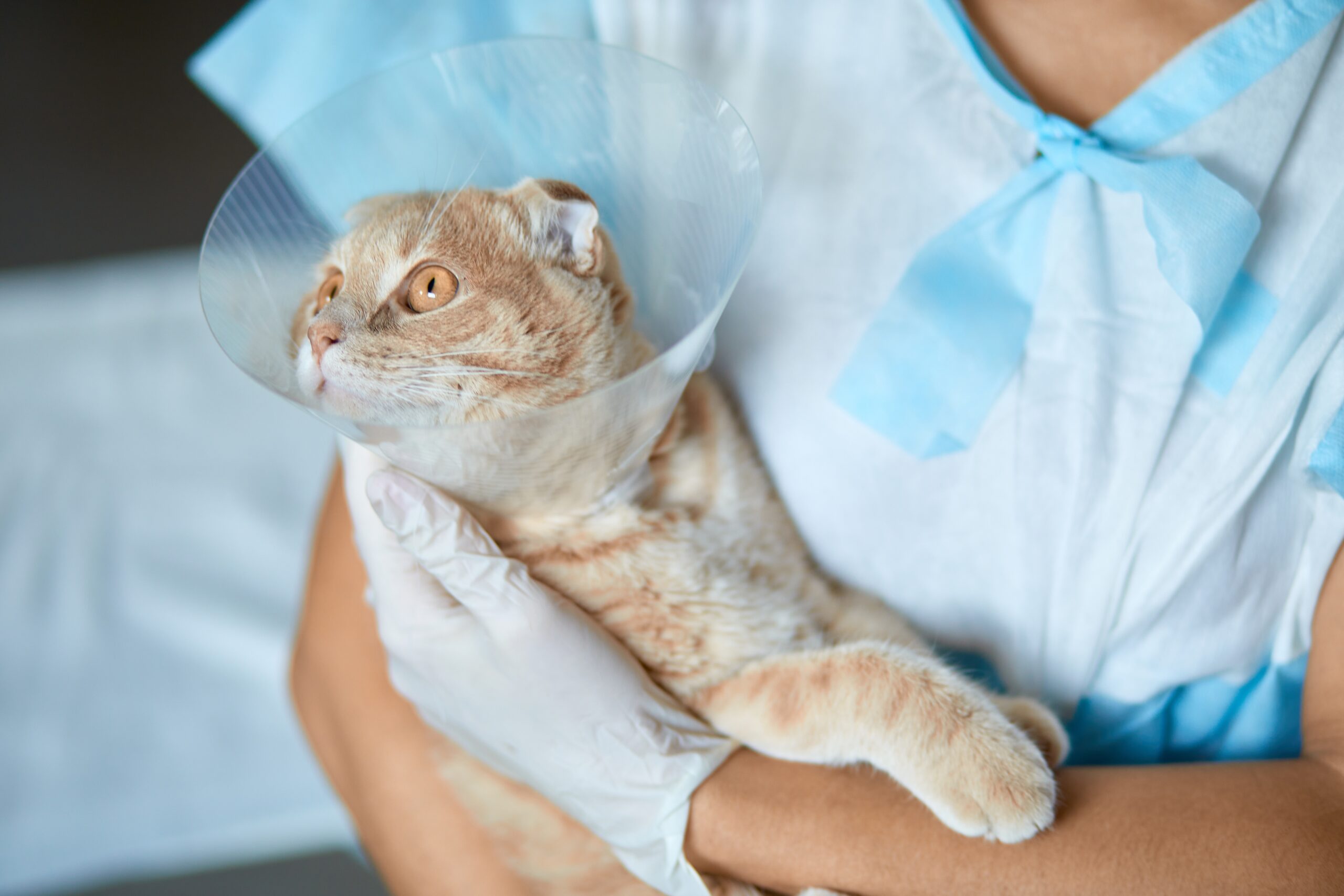


When a pet needs surgery, the procedure itself is only one part of the decision making process. A veterinarian must also consider the animal’s current health, previous medical history, medications, age, and overall physical condition. Existing health conditions can influence how a pet is prepared for surgery, how anesthesia is managed, what monitoring may be needed, and how recovery is handled afterward.
This does not mean that a pet with an ongoing health condition cannot have surgery. Instead, the condition provides important information that helps the veterinary team create a more individualized plan.
At All Creatures Veterinary Center in Carrollton, careful evaluation can help identify factors that may influence a pet’s surgical care. Understanding these considerations can also help owners know why their veterinarian may recommend additional preparation before a procedure.
A Pet’s Medical History Sets the Starting Point
Before planning veterinary surgery, the veterinarian needs to understand the pet’s medical background. Previous diagnoses, ongoing conditions, earlier procedures, medications, and past diagnostic results can all influence surgical planning.
A condition that seems unrelated to the planned procedure may still be important. For example, a pet with a history of digestive problems may have different preparation considerations from a pet with a heart condition.
Owners should provide as much relevant information as possible. If another veterinary practice has previously treated the pet, medical records can give the veterinarian additional context.
A complete history helps the veterinary team identify potential concerns before the procedure begins.
Heart Conditions Can Influence Anesthesia Planning
The cardiovascular system is an important consideration when preparing a pet for anesthesia. If a pet has a known heart condition, the veterinarian may need additional information about how the heart is functioning.
The veterinary team may review previous records, perform a physical examination, and recommend appropriate diagnostic testing. The findings can help determine how the pet should be monitored during the procedure.
A heart condition does not automatically rule out surgery. Instead, the veterinarian considers the severity of the condition and how it relates to the planned procedure.
This information can help shape anesthesia and monitoring decisions around the individual patient.
Breathing Problems May Require Additional Planning
Respiratory health can also influence surgical preparation. Pets with a history of breathing difficulties may require closer attention before, during, and after anesthesia.
The veterinarian may assess breathing patterns and listen to the lungs during the physical examination. Depending on the pet’s history and current condition, additional diagnostic evaluation may be considered.
The purpose is to understand the pet’s respiratory status and identify factors that could affect the surgical process.
Careful planning allows the veterinary team to account for existing breathing concerns rather than treating every patient according to the same routine.
Kidney and Liver Health Can Affect Medication Choices
The kidneys and liver perform important functions related to processing substances within the body. When either organ has an existing health problem, the condition may be relevant to surgical planning.
Laboratory testing can provide information about how these organs are functioning. If results indicate a concern, the veterinarian can consider that information when planning anesthesia, medications, fluid support, and monitoring.
This is one reason pre-surgical evaluation can be valuable even when a pet appears comfortable at home. Some changes in organ function may not produce obvious outward signs.
Understanding the pet’s internal health gives the veterinarian additional information for planning appropriate care.
Diabetes Requires Attention Around Surgery
Pets with diabetes may require special consideration because their normal food intake, activity, medication routine, and stress levels can change around a surgical procedure.
The veterinarian may review the pet’s current management plan and determine how the procedure should be coordinated with the pet’s regular routine.
Monitoring may also be considered based on the individual circumstances.
Owners should never make independent changes to a diabetic pet’s medication or feeding schedule before surgery. Any adjustments should be discussed directly with the veterinary team.
Age and Overall Condition Matter
Age is one factor veterinarians consider, but it is not the only factor. Older pets may have health changes involving the heart, kidneys, liver, joints, or other body systems that need to be evaluated before surgery.
Younger pets can also have existing health conditions that influence planning. What matters most is the pet’s current physical condition rather than age alone.
A physical examination and appropriate diagnostic evaluation can help determine whether there are underlying concerns that need to be addressed before the procedure.
Medications Should Always Be Discussed
A complete list of medications and supplements is an important part of surgical preparation. Some medications may influence how the body responds to anesthesia or other treatments.
Owners should tell the veterinarian about everything their pet receives, including medications used regularly and products given occasionally.
The veterinary team can then determine whether the current medication routine should remain unchanged or whether specific instructions are needed around the procedure.
Pet owners should not stop or change medications without veterinary guidance.
Pre-Surgical Testing Can Reveal Hidden Concerns
Some pets appear healthy but have underlying changes that may not be obvious during a routine examination. Pre-surgical testing can provide additional information before a procedure.
Depending on the pet’s history and planned surgery, the veterinarian may recommend laboratory testing or other diagnostic procedures.
The results can help evaluate aspects of the pet’s current health and identify factors that may affect surgical preparation.
Testing is not necessarily identical for every pet. The veterinarian considers age, medical history, physical findings, existing conditions, and the type of surgery when determining what evaluation may be useful.
The Type of Procedure Changes the Planning Process
Surgical planning also depends on what procedure the pet needs. Different operations can vary in duration, complexity, location, and recovery requirements.
An existing health condition may have a greater influence on one procedure than another. For example, a condition affecting mobility could be particularly relevant when planning a procedure that requires restricted activity during recovery.
The veterinarian considers both the patient’s health and the nature of the surgery when developing the plan.
This individualized approach helps ensure that important factors are not overlooked.
Recovery Begins With Preparation
Existing health conditions can influence recovery just as they can influence preparation.
A pet with mobility concerns may need a carefully arranged resting area at home. A pet with an ongoing medical condition may require closer observation of specific signs. Medication schedules, feeding routines, activity restrictions, and follow up care may also need to be tailored to the individual.
Owners can prepare by understanding the veterinarian’s instructions before bringing their pet home. Knowing what normal recovery should look like can make it easier to recognize changes that should be discussed with the veterinary team.
Surgical Plans Can Change After New Information
Sometimes the initial surgical plan needs to be modified after a physical examination or diagnostic test reveals additional information.
The veterinarian may recommend further testing, adjust anesthesia considerations, change monitoring plans, or address another health concern before proceeding.
This type of adjustment is part of thoughtful surgical planning. Identifying a concern before a procedure allows the veterinary team to consider it rather than discovering it unexpectedly later.
In some cases, managing an existing condition may become an important part of preparing the pet for surgery.
How Owners Can Help Prepare Their Pet
Pet owners are an important source of information during surgical planning. Tell the veterinarian about previous medical conditions, current medications, changes in appetite, activity, behavior, weight, and any unusual signs noticed at home.
Bring previous veterinary records when available. If your pet has undergone earlier procedures, information about those experiences may also be useful.
It is also helpful to ask questions about preparation, anesthesia, monitoring, recovery, medication instructions, and follow up visits. Understanding the plan can make it easier to provide appropriate care after the procedure.
Personalized Pet Surgical Care in Carrollton
Existing health conditions do not automatically prevent a pet from undergoing surgery. Instead, they provide important information that can help veterinarians develop a more individualized approach.
At All Creatures Veterinary Center in Carrollton, pet surgical care can take into account a pet’s medical history, current health, diagnostic findings, medications, age, and specific procedure requirements.
For pet owners looking for veterinary surgery services in Carrollton, discussing existing health conditions before a procedure can help ensure that relevant information is considered during the planning process.
Schedule a Surgical Consultation
If your pet has been recommended for surgery and has an existing health condition, contact All Creatures Veterinary Center to discuss your concerns. Schedule an online appointment or booking to review your pet’s medical history, current health, surgical needs, and preparation requirements.
A thorough consultation can help you understand the surgical plan and provide the veterinary team with important information about your pet.
Frequently Asked Questions
Q1. Can a pet with a chronic health condition still undergo surgery?
Ans: Many pets with ongoing health conditions can undergo surgery. The veterinarian evaluates the condition, current health, planned procedure, and diagnostic findings to determine whether additional precautions or adjustments are appropriate.
Q2. Why might a veterinarian recommend testing before pet surgery?
Ans: Pre-surgical testing can provide information about the pet’s current health and identify changes that may not be obvious from outward appearance. These findings can help guide surgical preparation and monitoring.
Q3. Should I tell my veterinarian about supplements my pet takes?
Ans: Yes. Tell your veterinarian about all medications and supplements your pet receives. This information can help the veterinary team consider how different products may relate to anesthesia or other aspects of surgical care.
Q4. Can an existing health condition affect my pet’s recovery?
Ans: Yes. Certain conditions may influence mobility, medication requirements, feeding routines, activity restrictions, or the level of observation needed during recovery. Your veterinarian can provide individualized instructions.
Q5. Why might my pet’s surgical plan change after testing?
Ans: A physical examination or diagnostic result may reveal information that was not previously known. The veterinarian may then modify preparation, monitoring, anesthesia considerations, or other aspects of the procedure to account for the new information.
Related Articles