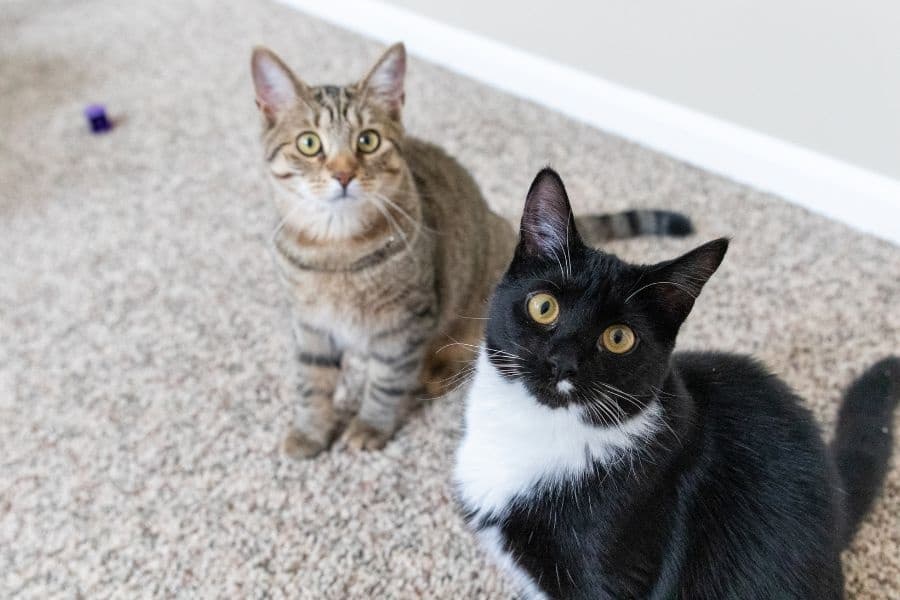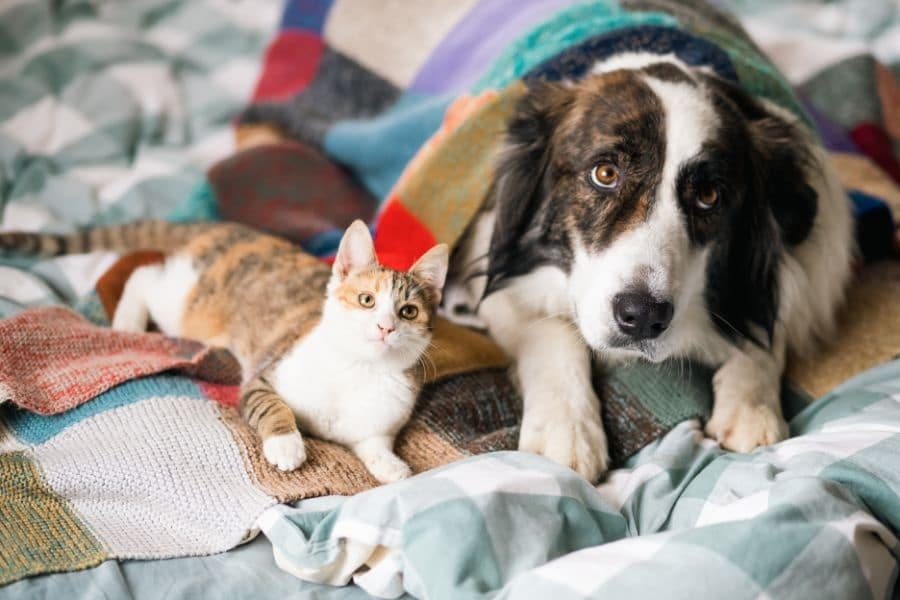

Observing clear, vibrant eyes in a beloved pet brings peace of mind to any pet parent, signaling good health and active vitality. When you suddenly notice angry red blood vessels, swelling around the eyelids, or a cloudy film across your companion’s eyes, it can instantly spark concern. Ocular redness in dogs and cats is never something to brush off casually. Because delicate optical tissues are highly sensitive, localized redness can indicate anything from minor surface dust to serious conditions like corneal scratches, allergic reactions, or acute intraocular pressure changes.
Since companion animals instinctively mask discomfort, subtle symptoms can quickly progress if left unaddressed. Pet owners searching for reliable vets near me often need fast diagnostic answers to prevent long-term optical complications. Seeking urgent pet care bridges the gap between routine wellness checkups and full hospital stays, providing rapid evaluation and fast symptom relief for acute eye conditions. For pet parents living in Carrollton, learning how to evaluate eye redness helps ensure your companion receives timely, gentle, and effective care.
Uncovering the Root Causes of Ocular Redness
Eye redness occurs when tiny blood vessels on the surface of the eye or within surrounding conjunctival membranes expand in response to irritation, trauma, or internal pressure. Understanding what causes these changes helps owners recognize when medical intervention is needed.
Surface Trauma and Foreign Contaminants
Active dogs and inquisitive cats frequently come into contact with tall grasses, backyard brush, or airborne dust particles. A tiny blade of grass or grain of sand caught beneath the eyelid causes constant friction with every blink, leading to rapid blood vessel expansion and painful surface scratches.
Conjunctival Inflammation and Allergic Triggers
Environmental allergens such as pollen, mold spores, and household dust can trigger allergic conjunctivitis. This causes the thin membrane lining the inner eyelids and white sclera to swell, producing a bright red appearance, watery tearing, and localized itching.
Pressure Shifts and Internal Ocular Strain
When internal fluid drainage channels become restricted, pressure within the eye socket rises rapidly. Elevated intraocular pressure places immense stress on delicate optic nerves and surface tissues, leading to severe redness, noticeable cloudiness, dilated pupils, and significant discomfort.
Evaluating Symptoms: Observation vs. Immediate Clinical Evaluation
Deciding whether a pet’s eye redness can be safely monitored for a short period or requires intermediate clinical attention depends on observing their overall comfort, posture, and facial appearance.
- Safe for Initial Observation:
- Mild, clear watery tearing following outdoor play in dry or windy weather
- Transient, slight eye squinting that completely resolves after quiet rest
- Intact navigational confidence across both brightly lit and dark rooms
- Equal pupil responses when transitioning between sunlight and shade
- Requires Intermediate Veterinary Care:
- Severe, continuous vascular redness covering the white sclera or inner lids
- Persistent squinting, rapid blinking, or holding an eye tightly shut
- Relentless face rubbing against furniture, carpets, or frequent pawing at the eyes
- Thick yellow, green, or blood-tinged discharge accumulating around the eyes
- Sudden corneal cloudiness, bluish discoloration, or pupil size asymmetry
Diagnostic Evaluations for Red Eyes during Urgent Vet Care
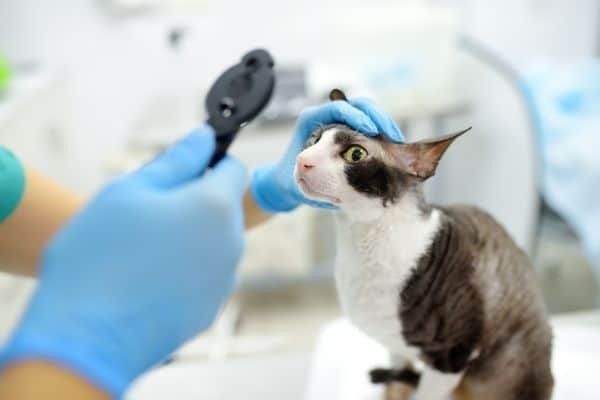
When you seek urgent vet care for optical concerns, clinical teams rely on specialized point-of-care tools to examine delicate eye structures without delay.
- Fluorescein Dye Stain Evaluation: Applies a specialized, temporary dye that adheres to damaged tissue, clearly revealing hidden corneal scratches, ulcers, or abrasions under cobalt blue light.
- Ophthalmic Tonometry Testing: Measures intraocular fluid pressure quickly and gently using a soft probe to detect pressure spikes or internal fluid drainage shifts.
- Slit-Lamp and Ophthalmoscopic Examination: Provides high-definition magnification to evaluate the lens, iris, anterior chamber, and retina in real time.
Combining instant diagnostic feedback with pet-safe anti-inflammatory drops, protective lubricants, or pressure-regulating medications stops pain at its source and protects your companion’s eyesight.
Protecting Companion Animals Across Carrollton
Keeping your pet’s eyes healthy requires attentive daily care, clean surroundings, and staying mindful of subtle changes in their behavior. Inspecting your companion’s eyes after outdoor adventures in yards or neighborhood walks allows you to spot minor irritations before they turn into painful complications.
If you are from Carrollton and looking for urgent vet care, taking fast action at the first sign of optical redness or discomfort gives your pet the best opportunity for a smooth, complete recovery.
Providing timely medical attention when health changes occur preserves your companion’s quality of life and offers complete peace of mind for your entire household.
Taking Action for Your Pet’s Visual Comfort
When your dog or cat exhibits sudden eye redness, persistent squinting, or visible physical discomfort, securing a prompt evaluation keeps their recovery moving in the right direction. You can schedule an online appointment through our portal to reserve a convenient time for your pet to be examined by our medical staff.
If your companion is actively displaying uncomfortable eye symptoms or sudden optical changes and you prefer to speak directly with our clinical staff before arriving, please call our team at 972-307-7400 so we can offer immediate guidance and prepare for your visit.
Our dedicated medical team looks forward to delivering gentle, expert care for your companion at All Creatures Veterinary Center.
Frequently Asked Questions
Q1. What is the most common reason a pet’s eye turns red unexpectedly?
Ans: The most frequent causes include surface irritation from dust or grass, minor corneal scratches, allergic conjunctivitis, and foreign material trapped beneath the eyelid. Because these conditions look similar, a professional exam with diagnostic stains is needed to determine the correct treatment.
Q2. Is it safe to use human eye drops or leftover pet medications on a red eye?
Ans: No. Human eye drops can contain ingredients that cause severe stinging or dangerous blood vessel constriction in pets. Furthermore, applying leftover prescription ointments containing steroids to an undiagnosed corneal ulcer can prevent healing and lead to severe, permanent corneal damage.
Q3. Why does my pet keep squinting when their eye looks red?
Ans: Squinting is a clear reflex signal of ocular pain or extreme light sensitivity. It usually indicates that the sensitive nerve endings on the corneal surface or internal iris tissues are inflamed, requiring prompt veterinary evaluation to relieve pain and prevent deeper tissue damage.
Q4. Can a red eye in a dog or cat resolve on its own?
Ans: While very minor irritation from dust may resolve with natural tearing, persistent or intense redness rarely resolves without intervention. Delaying care for underlying issues like corneal ulcers or elevated eye pressure can allow simple conditions to worsen into permanent visual impairment.
Q5. How should I safely transport my pet to the clinic with an eye condition?
Ans: Keep your vehicle cool, quiet, and shaded from direct sunlight. Place small pets in a padded carrier lined with soft blankets, and fit larger dogs with an Elizabethan collar if they attempt to rub their face against seat covers during the drive.