

Pain in pets is often difficult to detect, yet it significantly affects their quality of life. Dogs and cats cannot verbally express discomfort, so veterinarians rely on experience, observation, and advanced medical techniques to identify and treat pain effectively. Whether your pet is recovering from surgery, dealing with arthritis, or facing a chronic condition, proper care plays a vital role in their well-being.
In this guide, we will explain how veterinarians approach pain relief safely and effectively. From accurate diagnosis to modern treatment options, you will gain a clear understanding of how your pet receives compassionate care. This blog is created specifically for pet owners in Carrollton, TX, helping you make informed decisions about your pet’s health.
Understanding Pain in Dogs and Cats
First, it is important to understand that pain can be acute or chronic. Acute pain often occurs suddenly, such as after an injury or surgery. On the other hand, chronic pain develops over time and may result from conditions like arthritis or dental disease.
Common Signs of Pain
Pets may show subtle changes when they are in discomfort. Therefore, you should watch for:
- Reduced activity or reluctance to move
- Loss of appetite
- Whining, growling, or unusual vocalization
- Limping or stiffness
- Changes in behavior or mood
Because these signs can be easy to miss, regular veterinary checkups are essential for early detection.
The Importance of Accurate Diagnosis
Before starting any treatment, veterinarians perform a thorough evaluation. This step ensures that the underlying cause of pain is properly identified.
Physical Examination
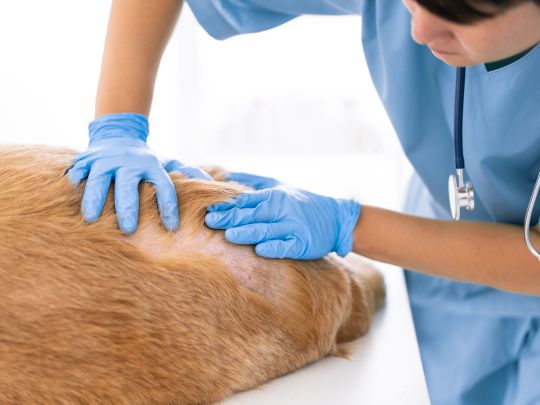
Your veterinarian will assess your pet’s mobility, posture, and response to touch. This helps pinpoint areas of discomfort.
Diagnostic Tests
In many cases, additional tests such as X-rays, blood work, or ultrasounds are required. These tools provide a deeper understanding of internal conditions.
Pain Scoring Systems
Veterinarians often use standardized pain scales to evaluate severity. This allows them to tailor treatment plans more effectively.
Accurate diagnosis forms the foundation of safe and effective care.
Medications Used for Pain Relief
Medications are one of the most common ways veterinarians manage pain. However, they must be used carefully to ensure safety.
Non-Steroidal Anti-Inflammatory Drugs (NSAIDs)
NSAIDs reduce inflammation and relieve pain, especially in conditions like arthritis. Veterinarians prescribe pet-specific formulations to avoid complications.
Opioids
For more severe pain, such as post-surgical discomfort, opioids may be used. These medications are highly effective but are carefully monitored.
Adjunct Medications
Drugs like gabapentin or muscle relaxants may be added to enhance pain relief. This combination approach improves outcomes.
Because every pet is different, veterinarians adjust dosages and monitor for side effects closely.
Multimodal Approach to Pain Management
Modern veterinary medicine often uses a multimodal approach. This means combining different treatments to achieve better results.
Instead of relying on a single method, veterinarians may use medications, physical therapy, and lifestyle changes together. As a result, pets experience more comprehensive relief.
This strategy also reduces the risk of side effects, since lower doses of each treatment can be used.
Non-Medication Therapies
In addition to medications, veterinarians may recommend alternative therapies to support recovery and comfort.
Physical Therapy
Rehabilitation exercises improve mobility and strengthen muscles. This is especially beneficial for pets recovering from surgery.
Laser Therapy
Laser therapy reduces inflammation and promotes healing. It is non-invasive and painless.
Acupuncture
Some veterinarians use acupuncture to stimulate natural pain relief mechanisms in the body.
Weight Management
Maintaining a healthy weight reduces stress on joints and minimizes pain, particularly in older pets.
These therapies work alongside medications to enhance overall care.
Pain Management for Chronic Conditions
Chronic pain requires long-term management and regular monitoring.
Arthritis Care
Arthritis is common in aging pets. Treatment may include medications, joint supplements, and lifestyle adjustments.
Dental Pain
Untreated dental disease can cause significant discomfort. Routine dental care helps prevent and manage this issue.
Cancer-Related Pain
Pets with cancer may need specialized pain control plans. Veterinarians focus on maintaining comfort and quality of life.
By addressing chronic conditions early, veterinarians help pets live more comfortably.
Safety Measures in Pain Treatment
Safety is always a top priority in veterinary medicine. Therefore, veterinarians take several precautions when managing pain.
Individualized Treatment Plans
Each pet receives a customized plan based on age, weight, medical history, and condition.
Monitoring and Follow-Up
Regular follow-up visits allow veterinarians to adjust treatments as needed. This ensures ongoing effectiveness and safety.
Avoiding Human Medications
Pet owners should never give human pain relievers to animals. Many of these medications are toxic to pets.
Through careful planning and monitoring, veterinarians ensure safe outcomes.
The Role of Pet Owners
Pet owners play a crucial role in managing their pet’s pain. By working closely with your veterinarian, you can support your pet’s recovery.
Observe Behavior
Pay attention to any changes in your pet’s activity, appetite, or mood.
Follow Instructions
Administer medications exactly as prescribed. Do not skip doses or adjust them without consulting your vet.
Provide Comfort
Create a comfortable environment with soft bedding and easy access to food and water.
When owners and veterinarians work together, pets receive the best possible care.
Preventing Pain Before It Starts
Preventive care is one of the most effective ways to reduce pain in pets.
- Schedule regular veterinary checkups
- Maintain proper nutrition
- Keep vaccinations up to date
- Practice good dental hygiene
- Ensure regular exercise
By focusing on prevention, you can minimize the risk of painful conditions.
Managing pain in dogs and cats requires expertise, compassion, and a personalized approach. Through accurate diagnosis, advanced treatments, and ongoing monitoring, veterinarians ensure that pets remain comfortable and healthy.
If you are in Carrollton, TX and looking for a veterinarian near you, book an appointment with All Creatures Veterinary Center. Our veterinary team is committed to providing safe, effective care and supporting your pet’s well-being at every stage of life.
FAQs
1. What are the most common causes of pain in dogs and cats?
Common causes include injuries, arthritis, dental disease, infections, and post-surgical recovery. Chronic conditions like joint disorders or cancer can also lead to long-term discomfort.
2. How quickly do pain medications work in pets?
Some medications provide relief within a few hours, especially for acute pain. However, treatments for chronic conditions may take several days to show noticeable improvement.
3. Is long-term pain treatment safe for pets?
Yes, when monitored by a veterinarian. Regular checkups and adjustments ensure that long-term treatment remains both safe and effective.
4. Can lifestyle changes help reduce pain in pets?
Absolutely. Maintaining a healthy weight, providing proper exercise, and ensuring a comfortable living environment can significantly reduce pain levels.
5. What should I do if my pet shows side effects from medication?
Contact your veterinarian immediately. Do not stop or change the medication without professional guidance.
6. Are alternative therapies effective for pain relief?
Yes, therapies like laser treatment, physical rehabilitation, and acupuncture can complement medications and improve overall comfort.