

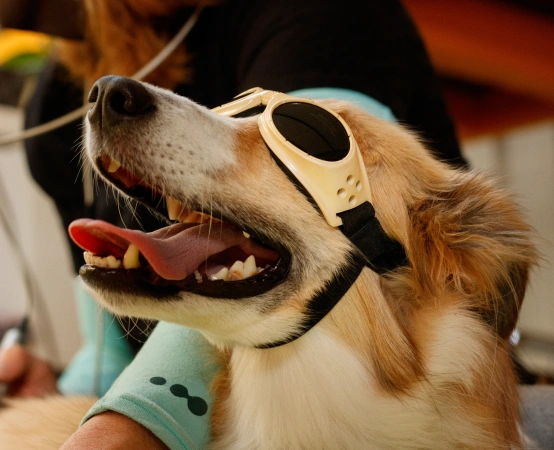
When your pet is in pain, it can be heartbreaking to see them struggle, whether due to arthritis, injury, or other inflammatory conditions. As a pet owner, you want to find the best ways to alleviate their discomfort and help them recover. One innovative and effective treatment that has gained popularity in recent years is laser therapy for pets. Laser treatment has been shown to reduce inflammation and accelerate healing, offering relief for pets with chronic pain and injuries.
This blog is especially for pet owners in Carrollton, TX, who want to explore new ways to manage their pet’s pain and inflammation. Laser therapy is an excellent option to integrate into your pet’s care plan, especially for those dealing with ongoing inflammation. In this guide, we’ll explain how laser therapy works, its benefits, and how it can be used to treat common inflammatory conditions in pets.
By the end of this blog, you’ll understand why laser therapy might be the perfect solution to help your pet feel better, quicker, and more comfortably.
Laser Therapy as a Revolutionary Treatment for Pets
Laser therapy, also known as low-level laser therapy (LLLT), uses light energy to promote healing and reduce inflammation by applying focused light to specific areas of your pet’s body, stimulating cellular activity to accelerate healing. The energy from the laser penetrates the skin, where it is absorbed by tissues and cells, helping to alleviate pain and swelling.
The treatment is painless and safe, with no downtime for your pet. It has been used in human medicine for decades, and now it’s become a valuable tool in veterinary care for managing a range of conditions. Laser therapy works by increasing blood flow to the treated area, reducing inflammation, and stimulating collagen production, which aids tissue repair.
For pets, laser therapy can be especially beneficial in treating inflammation from conditions such as arthritis, tendonitis, or soft-tissue injuries. By improving circulation and promoting faster healing, it allows pets to recover more quickly and with less discomfort.
How Laser Therapy Works to Reduce Inflammation in Pets
Laser therapy can be used to treat various inflammatory conditions in pets, especially those caused by injury or chronic conditions. Here’s how it works to alleviate inflammation and promote healing:
1. Penetrates Deep into Tissues
The laser light used in therapy can penetrate deep into tissues, reaching muscles, ligaments, and joints where inflammation and pain are concentrated. The depth allows the laser to effectively address the root cause of inflammation.
2. Stimulates Cellular Repair
The laser’s light energy stimulates cells to produce more energy, leading to faster repair and regeneration of damaged tissues. It promotes quicker healing and reduces the duration of inflammation in the affected area.
3. Improves Circulation
Laser therapy helps to improve blood flow to the treated area. By increasing circulation, more oxygen and nutrients are delivered to tissues, which helps reduce swelling and speed recovery.
4. Reduces Pain
Laser therapy also helps to block pain by releasing endorphins, the body’s natural pain-relieving chemicals. It can make a significant difference for pets suffering from conditions like arthritis, where inflammation and pain are constant.
Advantages of Laser Therapy That Help Your Pets
Laser therapy has many benefits for pets, especially those dealing with chronic inflammation or injury. Some of the most notable advantages include:
1. Non-Invasive Treatment
Unlike surgery or injections, laser therapy is non-invasive, meaning there are no cuts, needles, or recovery time involved. It makes it a safe option for pets, especially those with sensitive health.
2. Minimal Side Effects
Laser therapy has very few side effects. Since it’s a gentle treatment that doesn’t involve drugs or surgery, pets typically tolerate it well, and there’s no need for any harsh recovery measures.
3. Reduces Pain and Discomfort
One of the primary benefits of laser therapy is its ability to reduce pain. By targeting the root cause of inflammation, it helps alleviate discomfort, allowing your pet to move more freely and feel more comfortable.
4. Speeds Up Recovery
Laser therapy stimulates the body’s natural healing processes, allowing pets to recover more quickly from injuries, surgery, or other conditions that cause inflammation.
5. Safe for Long-Term Use
Laser therapy can be used regularly as part of a long-term pain management plan. It doesn’t carry the same risks as long-term medication or invasive treatments, making it an excellent option for managing chronic conditions.
Common Conditions Laser Therapy Can Treat in Pets
Laser therapy is effective for treating a wide range of inflammatory and painful conditions in pets. Some of the most common conditions that benefit from laser therapy include:
1. Arthritis
Arthritis is one of the most common inflammatory conditions in older pets, particularly dogs. Laser therapy can reduce the inflammation and pain in the joints, improving mobility and quality of life for arthritic pets.
2. Soft Tissue Injuries
Pets who have suffered sprains, strains, or other soft tissue injuries can benefit from laser therapy. It helps to reduce inflammation, speed up healing, and decrease pain, allowing your pet to return to normal activity faster.
3. Tendonitis and Ligament Injuries
Laser therapy can be used to treat tendonitis and ligament injuries in pets. The laser helps reduce inflammation and promote healing in the soft tissues, improving movement and function.
4. Post-Surgical Recovery
Laser therapy is commonly used after surgery to help reduce swelling, pain, and inflammation. It speeds up healing by promoting tissue repair and can help your pet recover more quickly from surgical procedures.
5. Wound Healing
Laser therapy can also help with wound healing by increasing circulation, promoting collagen production, and reducing inflammation. It is especially helpful for pets with chronic wounds or ulcers.
How Laser Therapy Can Be Integrated into Your Pet’s Treatment Plan
Laser therapy can be used alongside other treatments as part of a comprehensive care plan. Here’s how it can be integrated into your pet’s ongoing care:
1. Pre-Treatment Assessment
Before beginning laser therapy, the veterinarian will conduct a thorough examination to determine the underlying cause of your pet’s pain or inflammation, which helps ensure that laser therapy is the appropriate treatment for your pet’s condition.
2. Regular Sessions
Laser therapy typically involves multiple sessions, depending on the severity of your pet’s condition. The veterinarian will recommend a treatment schedule based on your pet’s needs. Most pets experience noticeable improvements after a few sessions.
3. Ongoing Maintenance
For pets with chronic conditions like arthritis, laser therapy can be used regularly to manage pain and inflammation. Regular sessions help keep your pet comfortable and maintain their mobility over time.
4. Complementary Treatments
Laser therapy can be combined with other treatments, such as pain medications, physical therapy, or joint supplements, to create a comprehensive treatment plan that addresses all aspects of your pet’s health.
The Impact of Laser Therapy on Your Pet’s Health
Laser therapy is a powerful tool in managing inflammation and promoting healing in pets. Whether your pet is dealing with arthritis, soft tissue injuries, or recovering from surgery, laser therapy offers a non-invasive, effective way to reduce pain, speed up recovery, and improve your pet’s overall well-being.
If your pet is struggling with inflammation or chronic pain, consider discussing laser therapy with the veterinarian. By incorporating this treatment into your pet’s care plan, you can help them live a more comfortable, active life.
If you’re in Carrollton and looking for a trusted veterinarian near you, scheduling an consultation with All Creatures Veterinary Center for laser therapy to help manage their condition. If you’re looking for a safe, effective, and non-invasive treatment option, schedule an appointment with us today. Let us help your pet feel better and live a more comfortable life!
FAQs
1. What conditions can laser therapy treat in pets?
Laser therapy can treat a variety of conditions in pets, including arthritis, soft tissue injuries, tendonitis, ligament injuries, post-surgical recovery, and chronic wounds.
2. How does laser therapy help reduce pain in pets?
Laser therapy works by stimulating blood flow, reducing inflammation, and promoting tissue repair, which helps to alleviate pain and improve mobility.
3. Is laser therapy safe for pets?
Yes, laser therapy is a safe, non-invasive treatment that has very few side effects. It can be used frequently to manage chronic conditions.
4. How many sessions does my pet need?
The number of sessions depends on the severity of your pet’s condition. The veterinarian will recommend a treatment plan tailored to your pet’s needs.
5. Does my pet need anesthesia for laser therapy?
No, laser therapy is painless and does not require anesthesia. Pets remain awake and comfortable during the treatment.
6. Can laser therapy be used alongside other treatments?
Yes, laser therapy can be used alongside medications, physical therapy, and other treatments to create a comprehensive plan for managing your pet’s condition.
Related Articles