
Bringing home a new kitten is an exciting and heartwarming experience. These tiny companions quickly become a cherished part of your family with their playful personalities and curious nature. However, caring for a young cat also comes with responsibilities. New pet parents must understand how to support their kitten’s growth, health, and emotional well-being from the very beginning.
A kitten’s early months are critical because this is when they develop healthy habits, build trust with their owners, and grow physically. Therefore, learning the basics of feeding, grooming, veterinary care, and training will help you raise a confident and happy cat. With the right preparation and guidance, you can ensure your new companion thrives in their new home.
This guide will walk you through essential tips every pet parent should know. From nutrition to socialization, these steps will help you build a strong foundation for lifelong health and happiness. This blog is especially for Carrollton, TX.
Preparing for Your Kitten’s Arrival
Before bringing your kitten home, it’s essential to prepare your living space. This includes kitten-proofing your home, getting the right supplies, and setting up a cozy area where your kitten can feel safe and comfortable.
- Create a Safe, Quiet Space
Kittens are sensitive to loud noises and unfamiliar surroundings, so it’s essential to create a quiet and calm environment for them to adjust. Set up a small room with a bed, food, water bowls, and a litter box. This space will serve as a safe retreat for your kitten during the first few days in your home. - Gather the Essentials
Make sure you have all the necessary supplies before bringing your kitten home:- Kitten food: Look for high-quality, kitten-formulated food to provide proper nutrition.
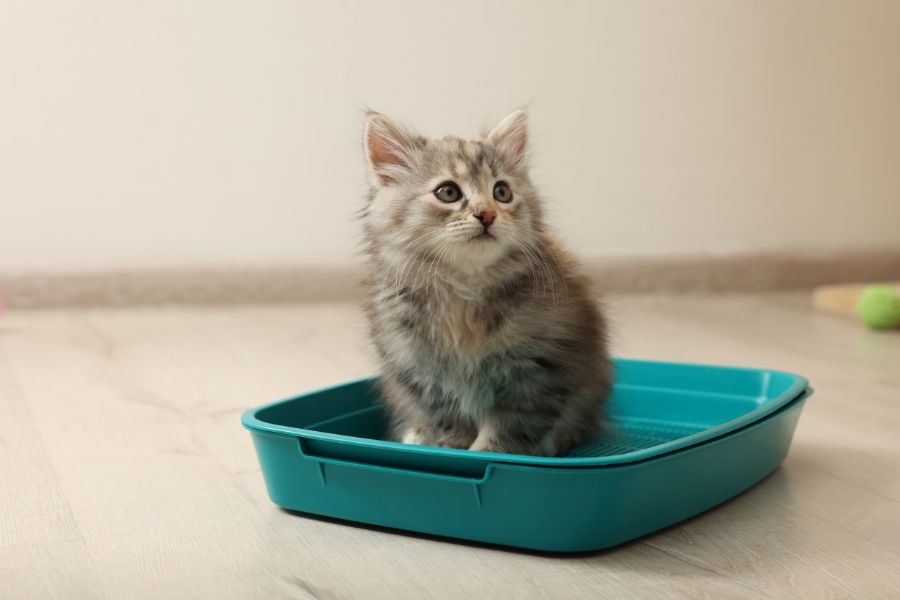
- Litter box: Choose a small, easy-to-access litter box.
- Toys: Get some soft, safe toys to help stimulate your kitten and provide entertainment.
- Scratching posts: Kittens need to scratch to exercise their claws and prevent them from damaging furniture.
- Bed or blanket: Kittens love warmth, so make sure they have a soft and cozy place to sleep.
- Kitten-Proof Your Home
Kittens are curious by nature, and they’ll explore every nook and cranny. Be sure to remove or secure any harmful items, such as household cleaners, small objects that could be swallowed, or plants that are toxic to cats. Also, consider closing off areas where they could get stuck or hurt.
Feeding Your Kitten
Proper nutrition is one of the most important aspects of kitten care. Kittens need more energy and nutrients than adult cats to support their rapid growth. Here’s what you need to know about feeding your kitten:
- Start with Kitten-Specific Food
Kittens have different nutritional needs than adult cats, so it’s crucial to feed them a high-quality, kitten-formulated food. Look for food that is rich in protein, fat, and essential vitamins and minerals. Whether you choose wet or dry food, make sure it’s appropriate for kittens. - Frequent Feedings
Kittens have small stomachs and high energy needs. You’ll need to feed your kitten more frequently than you would an adult cat. For the first few months, aim to feed your kitten 3-4 times a day. Gradually, you can reduce the number of feedings to twice a day as they grow older. - Fresh Water
Always provide fresh water for your kitten. While wet food can help with hydration, it’s important that your kitten has access to clean water at all times. A water fountain may encourage your kitten to drink more. - Avoid Cow’s Milk
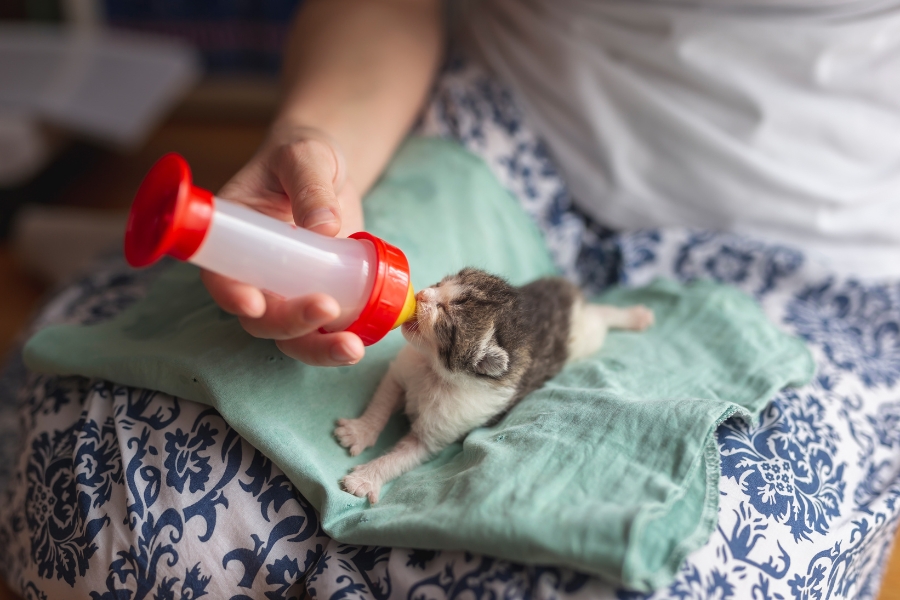
Contrary to popular belief, cow’s milk is not suitable for kittens. It can cause stomach upset and diarrhea. Stick to kitten formula if your kitten is still very young and needs supplemental feeding.
Litter Box Training
Litter box training is usually instinctive for kittens, but there are a few things you can do to ensure success. Here’s how to make sure your kitten is using the litter box properly:
- Place the Litter Box in a Convenient Spot
Choose a quiet, easily accessible location for the litter box. Kittens don’t like to go to the bathroom in areas with a lot of activity or noise, so make sure the box is in a peaceful spot. - Keep the Litter Box Clean
Kittens are very clean animals and may refuse to use a dirty litter box. Scoop out the litter at least once a day, and change the litter completely every week. - Choose the Right Litter
For kittens, clumping cat litter or non-toxic, natural litter is usually the best choice. Avoid using clay-based litters, as they can cause respiratory issues for kittens.
Grooming Your Kitten
Kittens don’t require frequent grooming initially, but it’s important to start the habit early to help them get used to the process. Here’s what you need to do:
- Brushing Your Kitten
Even short-haired kittens can benefit from regular brushing. It helps remove loose fur, prevents hairballs, and keeps their coat shiny and healthy. Start brushing your kitten with a soft brush, using gentle strokes. - Nail Clipping
While kittens naturally scratch, you may need to trim their claws occasionally. Use a pair of cat nail clippers to trim the sharp tips of their claws. Be sure to avoid cutting too far down, as this can cause bleeding. - Bathing
Most kittens don’t need frequent baths, but if they get into something sticky or dirty, a gentle bath with kitten-safe shampoo will do the trick. Never use human shampoo, as it can irritate their skin.
Socializing Your Kitten
Socialization is an essential part of kitten care, especially in the early weeks of life. Proper socialization helps your kitten grow into a well-adjusted adult cat.
- Handling and Petting
Gently handle your kitten daily to help them get used to being touched and petted. This will make future veterinary visits and grooming easier. Be sure to include their paws, ears, and mouth, as handling these areas will help them stay calm during health exams. - Introducing New People and Pets
Gradually introduce your kitten to other members of the household, as well as other pets. If you have other animals, make sure to introduce them slowly and under supervision to prevent any stress or conflict. - Playtime
Kittens love to play! Playtime helps them exercise, learn social skills, and develop their hunting instincts. Use a variety of toys, such as feathers, balls, and tunnels, to keep them engaged.
Veterinary Care for Your Kitten
Regular veterinary visits are an essential part of kitten care. Your kitten will need a series of vaccinations and health check-ups during their first year of life. Here’s what to expect:
- Vaccinations
Kittens require a series of vaccinations to protect them from diseases such as distemper, rabies, and feline leukemia. Your veterinarian will create a vaccination schedule based on your kitten’s age and health needs. - Parasite Control
Kittens are prone to parasites, including fleas, ticks, and worms. Your veterinarian can recommend the appropriate deworming treatments and flea preventatives to keep your kitten healthy. - Spaying or Neutering
Around six months of age, your kitten should be spayed or neutered. This procedure is important for their health and helps prevent overpopulation.
Taking care of a kitten is an incredibly rewarding experience, but it requires commitment and responsibility. From feeding and grooming to regular veterinary care and socialization, every aspect of kitten care contributes to your kitten’s health and happiness. By following these guidelines, you’ll be well on your way to raising a well-adjusted, healthy, and happy cat.
If you’re in Carrollton, TX, and looking for kitten care near you, schedule an appointment with All Creatures Veterinary Center. Our veterinary team is dedicated to supporting your kitten’s health and helping your new companion grow into a happy and thriving member of your family.
FAQs
Q1. How often should I feed my kitten?
Ans. Kittens should be fed 3-4 times a day for the first few months. Gradually reduce the frequency as they grow older, switching to two meals a day when they are around 6 months old.
Q2. When should I start grooming my kitten?
Ans. It’s best to start grooming your kitten as early as possible, preferably during their first few weeks. Regular brushing helps them get used to the process and prevents mats or tangles.
Q3. What type of food should I feed my kitten?
Ans. Kittens need food specifically formulated for their growth and development. Look for high-quality kitten food with the right balance of protein, fat, and nutrients essential for their development.
Q4. When should I take my kitten to the vet for vaccinations?
Ans. Your kitten should begin vaccinations at 6-8 weeks of age. A series of booster shots is required every 3-4 weeks until they are 16 weeks old.
Q5. How do I litter train my kitten?
Ans. Most kittens instinctively know where to go. Place the litter box in a quiet, accessible spot and keep it clean. Gently place your kitten in the box after meals or naps to encourage use.
Q6. When should I get my kitten spayed or neutered?
Ans. Kittens are typically spayed or neutered around 6 months of age. Your vet may recommend this procedure earlier or later, depending on your kitten’s health and development.