
Bad breath in dogs, also known as halitosis, is a common issue that many pet owners overlook. While a bit of doggy breath is normal, persistent bad breath can be an indication of underlying dental problems that could affect your dog’s overall health. As with humans, regular dental care is essential to maintain your dog’s oral health and ensure that their breath stays fresh. In this guide, we will explore the common causes of bad breath in dogs, how dental care can help, and the steps you can take to improve your dog’s oral hygiene. This blog is especially for residents in Carrollton, TX, looking for effective solutions to improve their dog’s breath and dental health.
Understanding Dog Dental Care
Bad breath in dogs is often the result of poor dental hygiene. When plaque and tartar accumulate on your dog’s teeth, it can lead to gum disease, tooth decay, and foul-smelling breath. Just like humans, dogs need regular oral hygiene to keep their teeth and gums healthy. Without proper care, dogs are at risk for serious health problems, including heart disease, kidney issues, and infections. Neglecting your dog’s dental care can result in pain, discomfort, and expensive treatments down the line.
In Carrollton, TX, where pets lead active lives, it’s easy to forget the importance of dental care. But maintaining a consistent dental care routine for your dog is vital to avoid bad breath and promote good oral health.
Common Causes of Bad Breath in Dogs
Bad breath in dogs is usually caused by dental problems, but it can also be a sign of other health conditions. Here are some of the most common causes of bad breath in dogs:
1. Periodontal Disease
The most common cause of bad breath in dogs is periodontal disease, which occurs when bacteria build up on the teeth and gums. This buildup leads to plaque and tartar, causing inflammation and infection in the gums, resulting in foul-smelling breath. In severe cases, periodontal disease can cause tooth loss and impact your dog’s overall health.
2. Dental Decay
Dogs can develop dental cavities or decay just like humans, though it’s less common. Dental decay occurs when food particles and bacteria accumulate on the teeth, damaging the enamel and sometimes leading to infections. This can cause bad breath, and if untreated, it can lead to more serious dental problems.
3. Gum Disease (Gingivitis)
Gingivitis is a common dental issue in dogs that can lead to bad breath. It happens when plaque and tartar build up on the teeth, causing the gums to become inflamed. If left untreated, gingivitis can progress to more serious gum disease that affects the tissues and bones supporting the teeth.
4. Oral Tumors or Growths
Oral tumors or growths in the mouth can also cause bad breath in dogs. These tumors may affect the teeth, gums, or tongue. In some cases, oral cancer can lead to persistent foul breath, which requires immediate veterinary attention.
5. Foreign Objects in the Mouth
If your dog chews on sticks, toys, or other objects, a foreign object may get lodged in their mouth or between their teeth. This can cause irritation and bad breath. If left untreated, it could lead to infections and more severe health problems.
6. Kidney Disease
Kidney disease is another cause of bad breath in dogs. Known as “uremic breath,” this type of bad breath occurs when the kidneys fail to filter toxins properly, resulting in waste products being expelled through the mouth. Uremic breath is often described as a fishy or ammonia-like odor.
How to Manage and Prevent Bad Breath in Dogs
Managing and preventing bad breath in dogs requires a combination of regular dental care, diet, and veterinary intervention. Here are some steps you can take to improve your dog’s dental health and freshen their breath:
1. Brush Your Dog’s Teeth Regularly
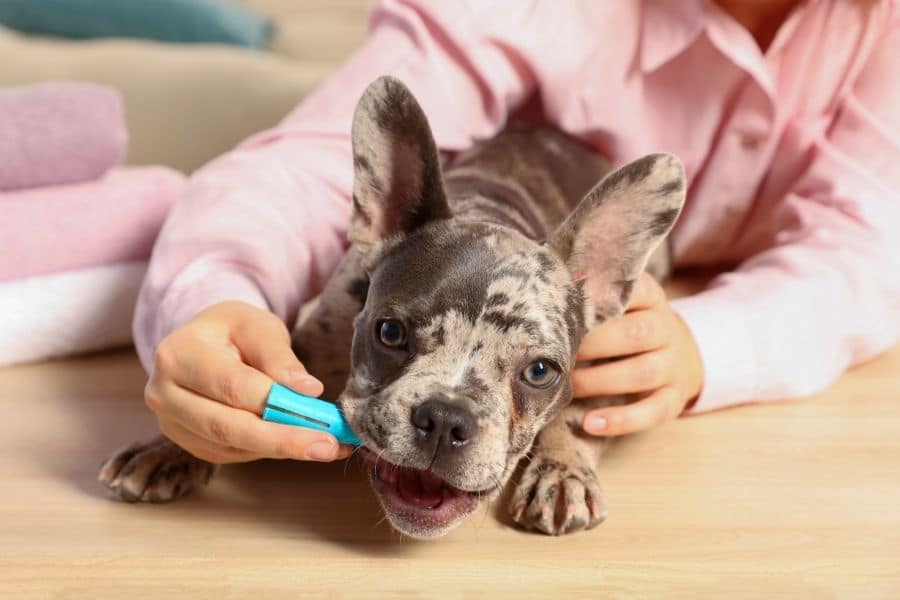
Just like humans, dogs need their teeth brushed regularly to maintain good oral hygiene. Brushing your dog’s teeth helps prevent plaque buildup and fights bad breath. It’s important to use dog-specific toothpaste and a toothbrush designed for pets. Begin brushing your dog’s teeth early in life so that it becomes a natural part of their routine. Aim to brush their teeth at least 2-3 times per week, though daily brushing is even better.
2. Provide Dental Chews and Toys
Dental chews and toys are designed to reduce plaque and tartar buildup, helping to maintain your dog’s oral health and freshen their breath. Look for products specifically made for dog dental care that are safe and effective. Dental chews and toys provide a fun and engaging way to improve your dog’s dental health while satisfying their chewing instincts.
3. Schedule Regular Veterinary Checkups
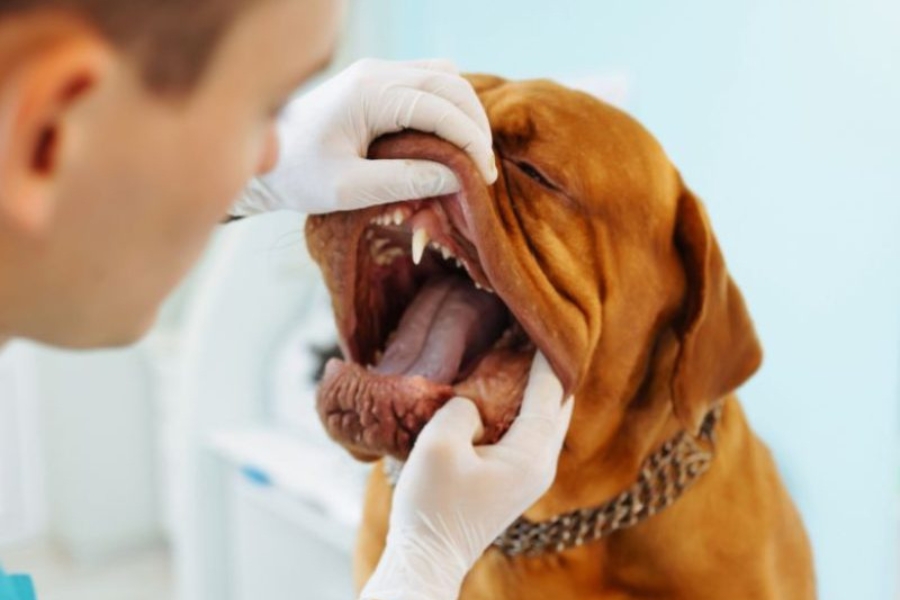
Regular veterinary checkups are essential for maintaining your dog’s dental health. During routine visits, your veterinarian can clean your dog’s teeth professionally, spot early signs of dental problems, and provide recommendations on how to care for your dog’s oral health. A thorough check-up helps identify and address dental issues before they lead to bad breath or more serious health problems.
Dr. Smith, a veterinarian at All Creatures Veterinary Center, notes, “Regular cleanings and checkups are vital for preventing gum disease and periodontal issues. They’re also essential for fresh breath and your dog’s overall well-being.”
4. Dietary Considerations
A high-quality diet can help improve your dog’s dental health and reduce bad breath. Certain foods designed to support dental health help reduce plaque buildup. You can also ask your veterinarian about special dental diets or supplements that may help maintain your dog’s oral hygiene. Avoid giving your dog sugary treats or human food, as these can contribute to tooth decay and gum disease.
5. Consider Professional Dental Cleanings
If your dog’s bad breath persists despite regular brushing and dental care, it may be time for a professional dental cleaning. A veterinarian can perform a thorough cleaning of your dog’s teeth and gums, removing plaque and tartar that brushing alone cannot eliminate. Professional cleanings are an important part of maintaining your dog’s overall dental health.
When to Seek Veterinary Care for Bad Breath
While bad breath is often caused by poor dental hygiene, it can also be a sign of more serious health problems. If your dog’s bad breath persists or is accompanied by other symptoms, it’s important to consult your veterinarian. Signs that require attention include:
- Loss of appetite
- Excessive drooling
- Swollen or bleeding gums
- Weight loss
- Behavioral changes, such as lethargy or aggression
- Vomiting or diarrhea
If you notice any of these signs, it’s time to visit your veterinarian. Early intervention can help prevent further complications and ensure your dog’s health is properly managed.
Maintaining Fresh Breath and Healthy Teeth
Many dogs experience bad breath, but with consistent and gentle dental care, you can keep their mouths healthy and their breath fresh. Regular brushing, dental chews, and professional cleanings are all essential to maintaining your dog’s oral hygiene. A proactive approach to dental care will improve your dog’s breath and their overall health, making them more comfortable and happy.
If your dog’s bad breath continues or if you observe other signs of discomfort or illness, consult your veterinarian for a thorough evaluation and dental care services.
Taking care of your dog’s dental health is essential for preventing bad breath and ensuring they remain healthy overall. Regular brushing, dental chews, professional cleanings, and a proper diet are the keys to keeping your dog’s mouth fresh and healthy. If you’re in Carrollton, TX, and looking for dog dental care, book an appointment with All Creatures Veterinary Center. Our veterinary team is here to provide comprehensive dental services and ensure your dog’s teeth and gums remain healthy throughout their life.
FAQs
Q1. How can I prevent my dog from getting bad breath?
Ans: Regular brushing, providing dental chews, and scheduling professional cleanings are essential for preventing bad breath in dogs.
Q2. Can bad breath in dogs be a sign of a serious illness?
Ans: Yes, bad breath can indicate underlying issues like kidney disease or oral tumors. If the problem persists, consult your veterinarian.
Q3. How often should I brush my dog’s teeth?
Ans: It’s recommended to brush your dog’s teeth at least 2-3 times a week. Daily brushing is more effective for preventing dental issues.
Q4. Should I use human toothpaste to clean my dog’s teeth?
Ans: No, never use human toothpaste on dogs. Use dog-specific toothpaste to ensure their safety and maintain their oral health.
Q5. Can I use mouthwash for my dog’s bad breath?
Ans: Some dog-specific mouthwashes are available, but it’s best to consult your veterinarian before using them. Regular brushing and professional cleanings are more effective.
Q6. What should I do if my dog’s bad breath continues despite regular care?
Ans: If your dog’s bad breath persists, schedule a professional cleaning with your veterinarian to remove plaque and tartar buildup that brushing cannot eliminate.