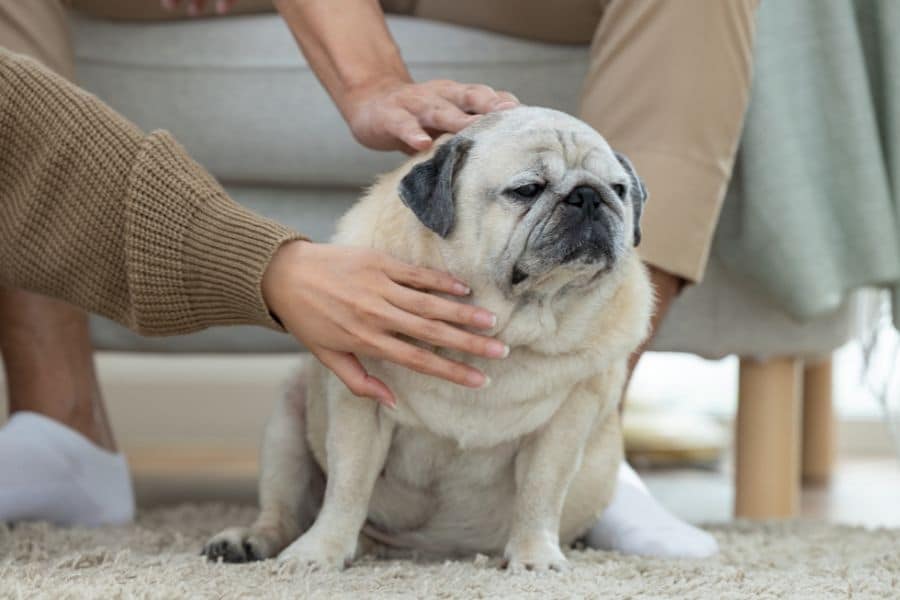

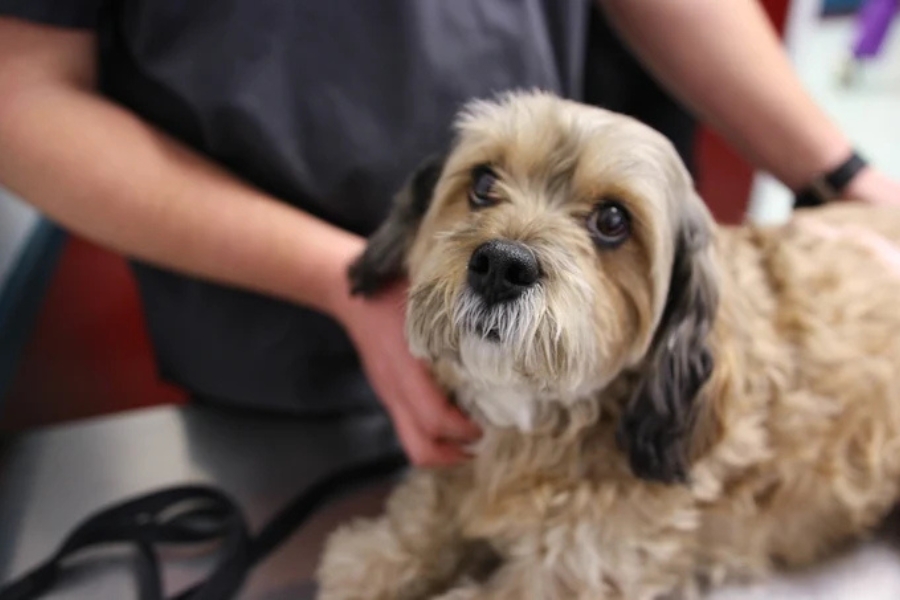
As pet owners, we all want our furry companions to live long, happy, and healthy lives. One of the most important ways to ensure this is through regular pet wellness exams. These exams are not just about addressing immediate health concerns but are proactive measures to detect potential issues before they become serious. Regular check-ups can help spot health problems early, promote preventive care, and significantly enhance your pet’s overall well-being.
This blog is especially for pet owners in Carrollton, TX, where the health of your pet is a priority. By understanding the importance of annual wellness exams and the essential components of these exams, you can make informed decisions to ensure your pet receives the best care possible.
What Happens During a Pet Wellness Exam?
An annual wellness exam for your pet typically involves a comprehensive evaluation of your pet’s physical health, behavior, and overall condition. During this appointment, your veterinarian will perform a detailed check-up and screen for various health issues. Here’s what a typical pet wellness exam includes:
1. Physical Examination
Your veterinarian will start with a thorough physical examination. This includes checking your pet’s eyes, ears, skin, and coat for abnormalities. They’ll assess their dental health, listen to their heart and lungs, and check the condition of their joints. This step helps catch any signs of discomfort, pain, or illness that may not be immediately apparent.
2. Vaccination Review
Vaccines are crucial in preventing certain diseases in pets. During the exam, your vet will review your pet’s vaccination history and determine if they are due for any booster shots. Keeping your pet’s vaccines up-to-date is essential for their long-term health, especially if they interact with other animals or visit public places.
3. Parasite Prevention
A major part of annual wellness exams is discussing parasite prevention. Your veterinarian will check your pet for signs of fleas, ticks, and worms, and may recommend appropriate treatments or preventative medications. Regular parasite control not only keeps your pet comfortable but also protects them from diseases carried by these pests.
4. Laboratory Testing
In some cases, the veterinarian may suggest laboratory tests to get a deeper understanding of your pet’s health. Blood tests, urinalysis, and fecal exams can help identify underlying health issues such as kidney problems, diabetes, or infections. These tests are especially important for older pets who may have subtle health issues that are difficult to detect during a physical exam alone.
5. Weight and Nutritional Assessment
Maintaining a healthy weight is key to your pet’s overall health. Your vet will check your pet’s weight and discuss their diet. Overweight pets are at a higher risk for several health conditions, including joint problems, heart disease, and diabetes. Ensuring your pet’s diet is well-balanced and appropriate for their age, breed, and activity level is essential for their long-term wellness.
The Benefits of Annual Wellness Exams
Regular pet wellness exams provide significant benefits, both for your pet’s health and your peace of mind. Here’s how they can make a difference:
1. Early Detection of Health Issues
Many serious health conditions, such as cancer, kidney disease, and heart problems, often start subtly and may not show symptoms until they have progressed significantly. Annual exams allow your veterinarian to spot signs of these conditions early, potentially leading to more effective treatment and better outcomes. Catching problems early can improve your pet’s quality of life and longevity.
2. Prevention is Better Than Treatment
Wellness exams are a proactive approach to your pet’s health. Instead of waiting until something goes wrong, you’re addressing health concerns before they become major issues. By preventing illnesses or injuries, you can save on costly treatments and medications down the road while ensuring that your pet stays healthy for longer.
3. Maintaining Your Pet’s Quality of Life
An annual check-up ensures that your pet is not only free of illness but is also living comfortably. Your vet can provide advice on exercise, diet, and general lifestyle, ensuring that your pet is in the best possible condition as they age. This helps improve their energy levels and behavior, ensuring they remain happy and active for years to come.
4. Better Behavioral Understanding
Wellness exams also give your veterinarian a chance to evaluate your pet’s behavior and offer advice on managing stress or anxiety. If your pet has been displaying unusual behavior, such as excessive scratching, aggression, or lethargy, your vet can offer solutions to help address these issues. Regular visits can make it easier to track behavioral changes over time, providing valuable insights for better care.
5. Vaccination and Preventive Care
Annual exams give your veterinarian the opportunity to discuss vaccinations and preventive treatments that are important for your pet. Preventive care can protect your pet from dangerous diseases, such as rabies, parvovirus, and leptospirosis. Keeping up with these measures helps protect your pet and others they come into contact with.
Why Annual Wellness Exams Are Crucial for Older Pets
As your pet ages, their health needs change. Annual wellness exams become even more important for senior pets. Older dogs and cats are at an increased risk for various health conditions, including arthritis, dental disease, and cognitive dysfunction. A wellness exam helps ensure that aging pets get the care they need to maintain their health.
For senior pets, veterinarians often recommend more frequent check-ups—every six months instead of annually—to monitor for age-related health concerns. This can include checking for signs of cognitive decline, vision problems, or changes in metabolism. Your vet may also suggest specific tests to track organ function, ensuring your pet remains comfortable and healthy as they age.
How to Prepare for Your Pet’s Wellness Exam
Preparing your pet for their annual wellness exam can make the process easier and more effective. Here are some tips:
- Bring a List of Questions or Concerns: If you’ve noticed any changes in your pet’s behavior, eating habits, or health, make sure to mention these to your veterinarian during the exam.
- Update Your Pet’s Medical Records: Ensure that your pet’s vaccination records are up-to-date, and bring any records from previous visits or treatments.
- Fasting (If Recommended): In some cases, your veterinarian may ask your pet to fast before the exam, especially if blood work or a urinalysis is required. Be sure to follow any pre-exam instructions.
- Bring Your Pet’s Favorite Items: If your pet gets anxious during trips to the vet, bringing along their favorite blanket or toy can help comfort them.
Regular pet wellness exams are an essential part of your pet’s long-term health plan. They help prevent serious issues, detect conditions early, and ensure your pet is living their best life. By making annual exams a priority, you are ensuring that your pet stays happy, healthy, and active for years to come.
If you are in Carrollton, TX, and need guidance related to pet wellness exams, book an appointment with All Creatures Veterinary Center. Our veterinary team is here to support your pet’s health journey every step of the way.
FAQs
Q1. What is included in a pet wellness exam?
Ans. A wellness exam typically includes a physical exam, vaccination review, parasite screening, laboratory tests, and nutritional advice.
Q2. How often should I take my pet for a wellness exam?
Ans. Pets should receive an annual wellness exam. Senior pets may need more frequent visits every 6 months.
Q3. Are wellness exams the same for all pets?
Ans. Wellness exams are tailored based on your pet’s age, breed, and health needs. Senior pets may require more in-depth evaluations.
Q4. Can wellness exams detect early health problems?
Ans. Yes, regular exams can help detect issues like heart disease, diabetes, and cancer early, leading to better treatment outcomes.
Q5. Do I need to fast my pet before a wellness exam?
Ans. Some tests, like blood work, may require fasting. Your veterinarian will inform you if this is necessary before the exam.
Q6. What can I do to help my pet during the wellness exam?
Ans. Stay calm and positive, and bring your pet’s favorite items for comfort. Following your vet’s pre-exam instructions will also help.