


Trusted Surgical Care for Your Dog
At our clinic, we understand that surgery can be a stressful experience for both pets and their owners. Our veterinary team is dedicated to providing exceptional care, from pre-surgery consultations to post-operative monitoring, to ensure your pet’s safety and comfort. Whether it’s a routine procedure or a complex surgery, we are here to guide you through each step of the process.
Before any surgical procedure, we’ll conduct a thorough physical examination to assess your dog’s overall health and ensure they are fit for anesthesia and surgery. If you have any questions or concerns, our veterinary team is more than happy to provide the information you need to make informed decisions about your pet's care. We understand that the idea of surgery can be overwhelming, so we are committed to offering guidance and support throughout the entire process.
During the procedure, we use advanced monitoring equipment to track your pet’s vital signs, including temperature, heart rate, blood pressure, and oxygen levels. Our team will also proactively manage pain, ensuring your pet is as comfortable as possible both during and after the surgery.
- Spay and Neuter
- C-Section
- Cherry Eye Repair
- Cystotomy Procedure
- Foreign Body Removal
- Mass Removal
- Exploratory Surgery
- Biopsies
- Gastropexy Surgery
- Splenectomy Surgery
- Gastrointestinal Procedures
Orthopedic surgery addresses issues involving the bones, joints, muscles, and ligaments. Whether your dog has a fracture, ligament injury, or hip dysplasia, orthopedic surgery can help restore mobility and relieve pain.
Common orthopedic surgeries include:
- Fracture Repair: Realigns and stabilizes broken bones using plates, screws, or pins to ensure proper healing.
- Cruciate Ligament Repair: Fixes tears or ruptures in the knee ligament, restoring stability and joint function.
- Arthritis Treatment: Reduces pain and improves mobility by removing damaged tissue, realigning joints, or relieving pressure.
- Hip Replacement Surgery: Replaces a damaged or diseased hip joint with a prosthetic to relieve pain and restore mobility.
Our team will work with you to ensure that your pet receives personalized care both before and after surgery, supporting their recovery and improving their quality of life.
* All Creatures Veterinary Center partners with a specialized Orthopedic surgeon to conduct veterinary orthopedic surgeries at our facility.
To prepare for surgery, it’s important to follow our guidelines, which may include fasting your dog (no food after midnight, but water is fine). This ensures their safety during the procedure. If necessary, we’ll also provide specific instructions regarding medications or other pre-surgery requirements.
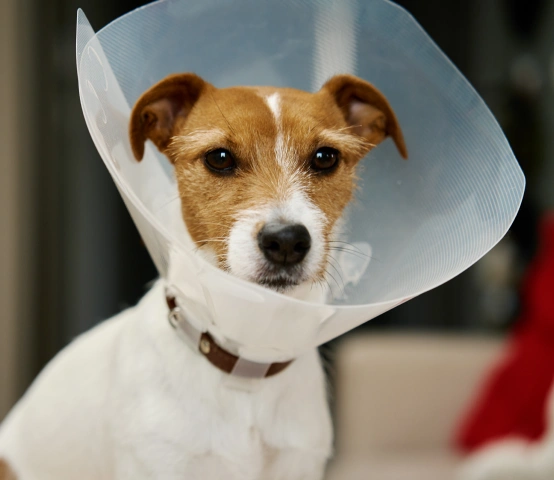
Additionally, it’s a good idea to set up a comfortable recovery area at home. This might include a cozy bed, limited space to prevent excessive movement, and any necessary supplies such as bandages or an e-collar to prevent licking or chewing at the surgical site.
- Fracture Repair: Realigns and stabilizes broken bones using plates, screws, or pins to ensure proper healing.
- Cruciate Ligament Repair: Fixes tears or ruptures in the knee ligament, restoring stability and joint function.
- Arthritis Treatment: Reduces pain and improves mobility by removing damaged tissue, realigning joints, or relieving pressure.
- Hip Replacement Surgery: Replaces a damaged or diseased hip joint with a prosthetic to relieve pain and restore mobility.
Our team will work with you to ensure that your pet receives personalized care both before and after surgery, supporting their recovery and improving their quality of life.
* All Creatures Veterinary Center partners with a specialized Orthopedic surgeon to conduct veterinary orthopedic surgeries at our facility.
After surgery, your pet will need some extra TLC to ensure a full recovery. We’ll provide you with instructions on pain management, activity restrictions, and wound care to help speed up the healing process.
Monitoring your pet’s comfort level and following these guidelines will help avoid complications and promote healing.
Key post-surgery care tips include:
- Pain Management: Medication to help manage discomfort after surgery.
- Activity Restrictions: Limit your pet’s movement to avoid strain on the surgical site.
- Wound Care: Keep the incision clean and dry, following instructions to prevent infection.
- Physical Therapy: In some cases, recommended to help restore mobility.
Spaying and neutering are routine procedures that help control the pet population while preventing certain health problems and behavioral issues. These surgeries are generally safe, but we take all necessary precautions to ensure your dog’s safety during the procedure.
- Spay (Ovariohysterectomy): Removal of the ovaries and uterus in female dogs.
- Neuter (Orchiectomy): Removal of the testes in male dogs.
Both procedures are commonly done in dogs and have long-term health benefits, such as reducing the risk of certain cancers and eliminating the possibility of unwanted pregnancies.